Kaziranga is easy to underestimate. Rhinos are so common that people assume any jeep and driver will do. In some ways that is true, since you will see rhinos almost whoever you go with. But the gap between a decent morning and a memorable one comes down to who is sitting next to you and what was arranged before you arrived.
The Kaziranga safari guide and services you choose affect how much you understand of what you are looking at, how far you travel to reach the gate, and if the drive is yours or shared with strangers. Here is what to look at when you compare options.
What a guide actually does
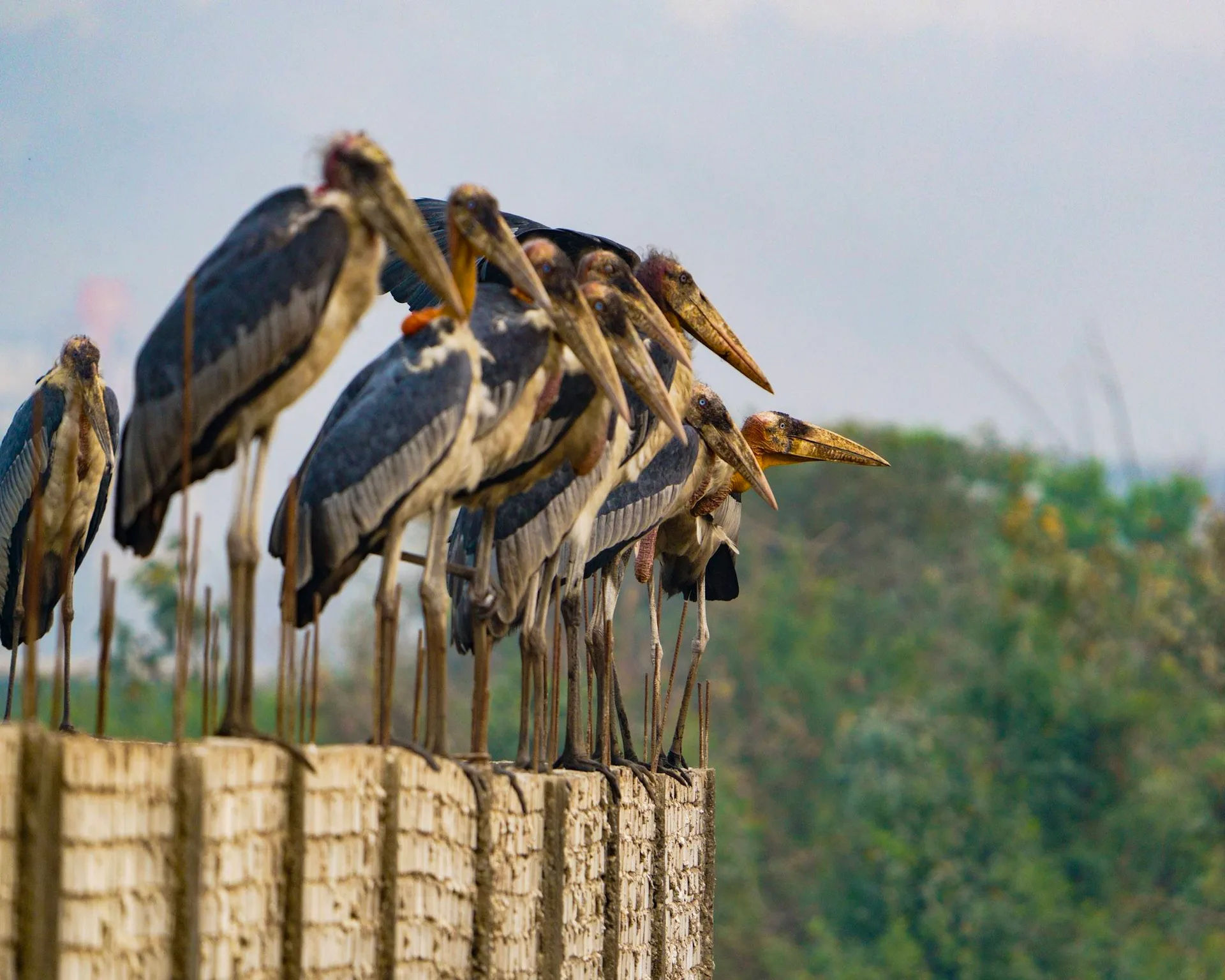
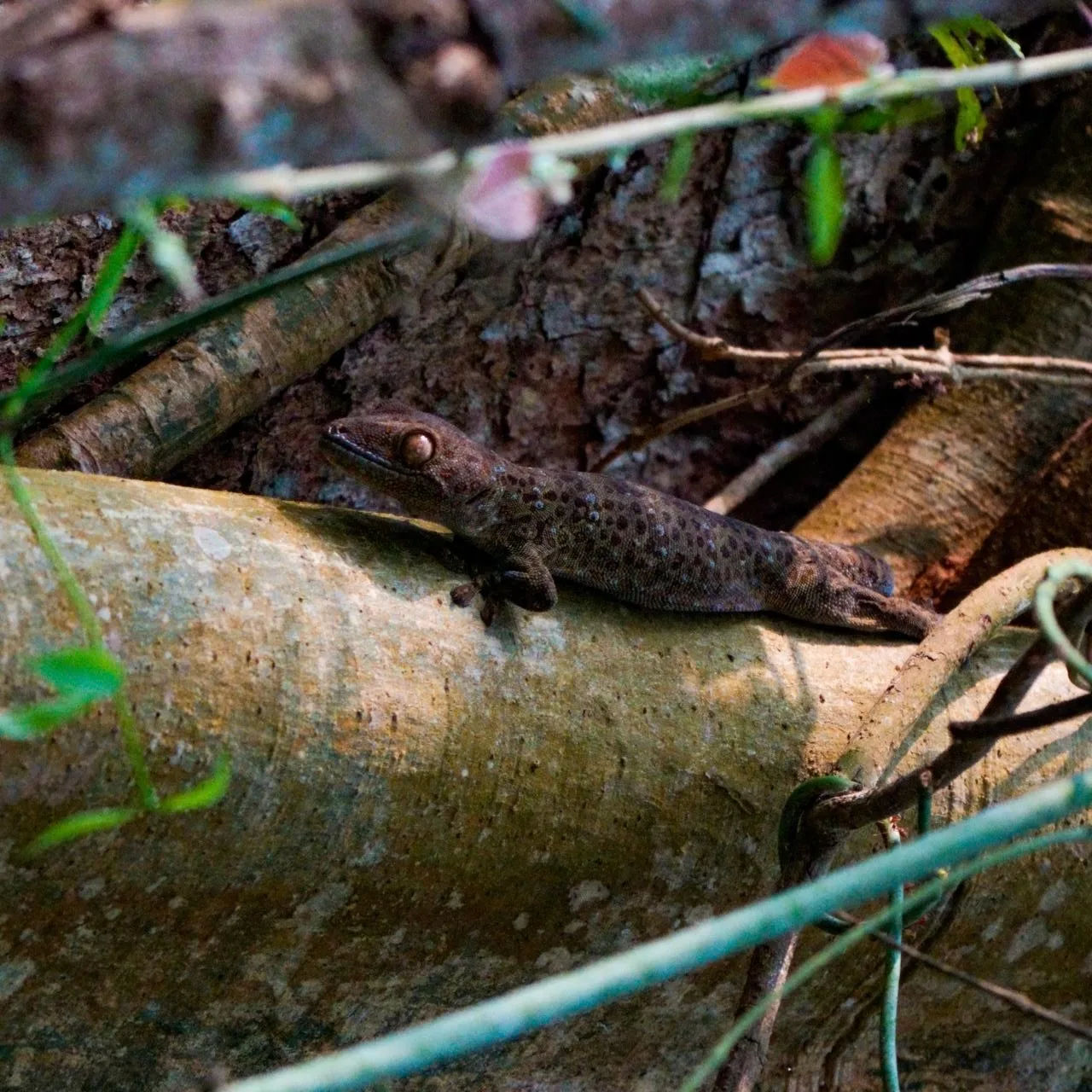
A guide is compulsory inside Kaziranga, so every vehicle has one. The forest guide knows the park rules and the tracks. A good naturalist goes a step further. They read the grassland, notice when a herd of deer suddenly goes quiet, and recognise an alarm call that means something has moved. A good naturalist also knows the flora and the species that depend on them so if you’re a birdwatcher this could result in several lifers to your bird checklist. Gibbons too are spotted in Kaziranga but gibbons don’t hang around everywhere, they’re found in certain parts of the Park where they’re known to forage on particular flora. They also take the safari a step further by pointing out the smaller beings of the forest. For example, the Tokay gecko - hidden from plain sight in big tree trucks they’re one of the largest gecko species in the world. Kaziranga is one of the few parks in India where you can actually spot them if you know what they look like..
The difference shows up in the small moments. Without it you see a rhino. With it you also understand what the animal is doing, and what else around you is worth watching. We work with experienced, English-speaking naturalists who have spent years in this park, so you hear the full explanation in your own language, not a list of animal names.
Four ranges, and what each is like
Kaziranga's jeep drives are split into ranges. Kohora, the central range, is the most visited and a sensible first drive. Bagori, in the west, is popular with photographers and known for its elephant herds. Agoratoli, in the east, has wetlands that suit birdwatching and usually fewer vehicles. Burapahar is hilly and forested and also the furthest from the Central range where most hotels are located, and it sees the fewest visitors.
Which ranges are open can change from one year to the next after the monsoon. In 2024, for example, only three were running at the start of the season because of road damage. It is another reason to deal with someone who knows the current position rather than relying on a brochure from two years ago.
What you can expect to see
Kaziranga has been a UNESCO World Heritage Site since 1985 and holds most of the world's greater one-horned rhinos. The 2022 census counted 2,613, up from 2,413 in 2018. Wild elephants, water buffalo, swamp deer and hog deer share the grassland, and the wetlands carry a long list of water birds. Tigers live here as well, but as in every park they are the hardest animal to find in the long grass.
Many guides say the second half of the season is easier for spotting, since the grass is shorter and the animals gather near the remaining water. The early weeks can be greener and more atmospheric but also more hidden. A person who has been on the tracks that week will know more than any article, including this one.
Private jeep or shared
A jeep carries a maximum of six people. Booked privately, it is yours alone, with your own driver and naturalist, and the pace is set by you. If something interesting is happening you stay with it. A shared arrangement moves on when the others are ready. Good Kaziranga safari guide and services always make it clear which one you are paying for.
Morning drives run from 7:30 AM to 11:30 AM and afternoon drives from 1:30 PM to 5:00 PM. Have breakfast before you leave, because food is not allowed inside the park. Carry a valid photo ID, and if your zone is far from your hotel, plan to leave up to an hour earlier to reach the gate on time. The safari season runs roughly from November to mid May, and the park shuts for the monsoon.
Rules inside the park
The rules are simple, and your guide will repeat them at the gate. Stay seated in the jeep unless you are told otherwise. Keep your voice down when an animal is near, never feed or call to anything, and take your plastic waste back out with you. Rhinos and elephants look calm, but they are wild and can move quickly. A guide who tells you to sit still is not being fussy. Respect that and you will usually get a longer and closer look.
The services around the drive
A safari is only as smooth as the things around it. Permits for the zone and shift you want need to be booked ahead. The hotel should be close to the gate you will use, because a long transfer before sunrise wears you out and adds to the cost. Ground transfers should be arranged so that nobody is waiting at an airport.
We settle the zones, permits, hotels and transfers before you travel, so the plan you agree to is the plan that happens. We stay at the hotels we recommend, and because we have worked with them for years we can often get better rates than you would find booking on your own. The itinerary is built around your dates and what you want to see, not a fixed package.
Questions to ask any tour operator
Who will be guiding me, how long have they worked in Kaziranga, and do they speak English (if language is a prerequisite for you)?
Is the jeep private to my group?
Which ranges and shifts are you booking, and why those?
How far is the hotel from the gate?
What is included in the price, and what is not?
What about the cost?
Prices depend on the number of people, your nationality and if you are carrying cameras. The Forest Department sets them, and they change every year, sometimes more than once. That is why we do not print rates in a blog or anywhere else on our website. Get in touch and we will send you a quote for your dates.
Plan your Kaziranga trip with 47 Safaris
When you compare quotes for Kaziranga safari guide and services, put the guide at the top of your list and the hotel second. The rest can usually be arranged around them. The process with us has three steps. You tell us your dates, group size and what you most want to see. We send a tailor-made itinerary. Once you approve it, we handle every booking and arrangement on the ground.