After "will I see a tiger?", this is the question we get asked most about Corbett. Do you take the morning drive or the later one, and does it change what you see?
People who type "Jim Corbett safari best time morning or evening" into a search box usually expect a single winner. There isn't one. The two shifts feel quite different, and the better one depends on the month, the zone and what you hope to come home with. Below is how they compare, and how we think about it when we plan a trip for a guest.
What morning and evening mean in Corbett
Corbett runs two safari shifts a day. The first starts around sunrise, and the second starts in the afternoon and finishes close to sunset. When people say "evening" they mean this second shift. It is an afternoon drive that ends as the light drops.
The start times move with the seasons. In winter, from November to January, the morning shift runs roughly from 6:30 AM to 10:30 AM and the afternoon one from 1:30 PM to 5:00 PM. In the hot months, April to June, the morning begins earlier, around 5:45 AM, and the afternoon runs later, to about 6:30 PM. A jeep drive takes about three to four hours. The park sets the exact timings and can change them, so confirm them for your dates before you plan anything around them.
The case for the morning drive
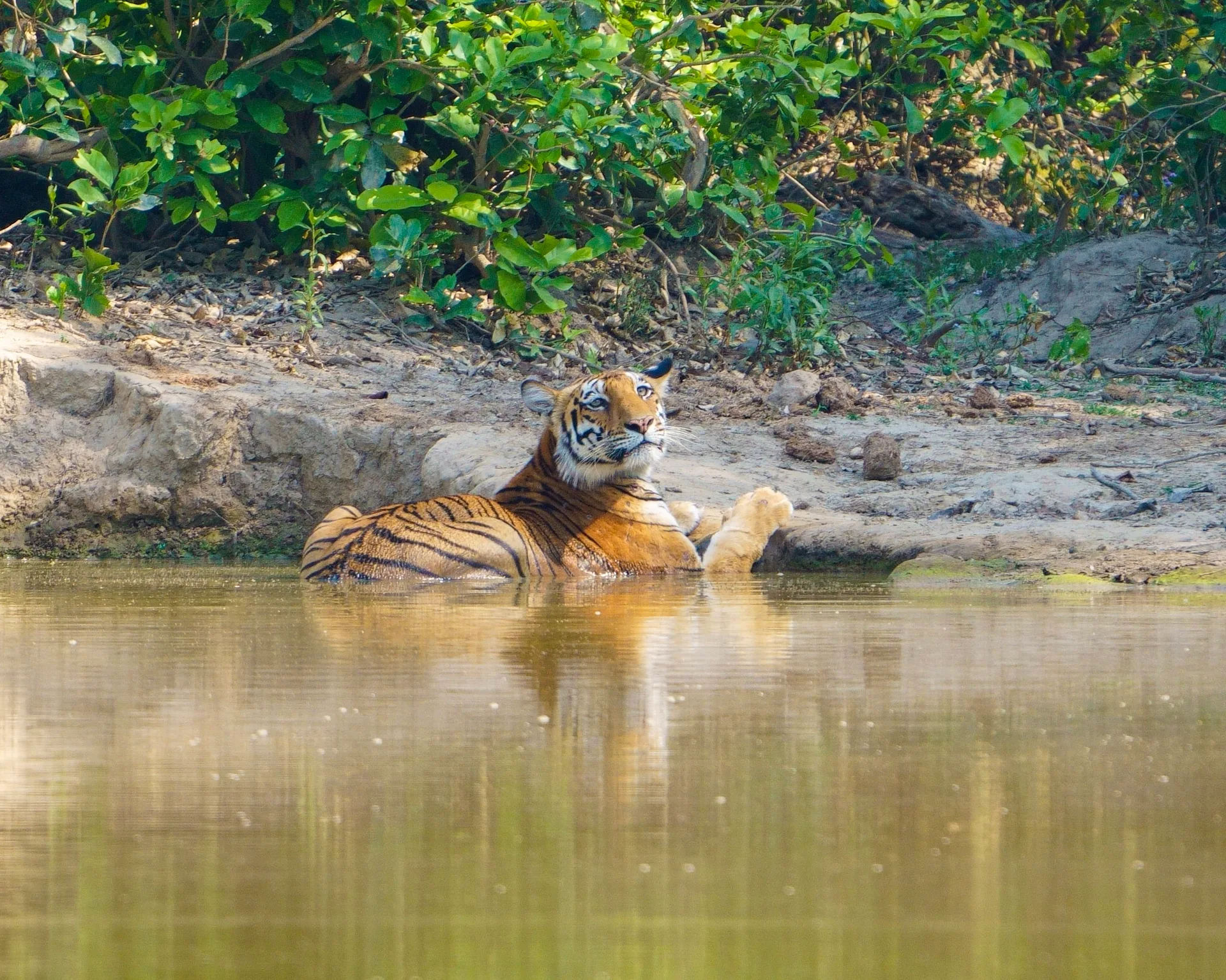
Mornings are cool, and the forest is at its busiest. Deer are grazing in the open, langurs are calling from the treetops, and the birds are loud. A tiger moving along a track at first light is a real possibility, and alarm calls from deer and langurs are often the first sign that one is nearby. The light is soft, which helps with photographs.
The cost is the early start. In winter you will be in an open jeep before sunrise in cold air, and mist can sit over the Ramganga grassland for the first hour. It looks lovely, but it also hides things. Wear more layers than you think you need.
The case for the afternoon drive
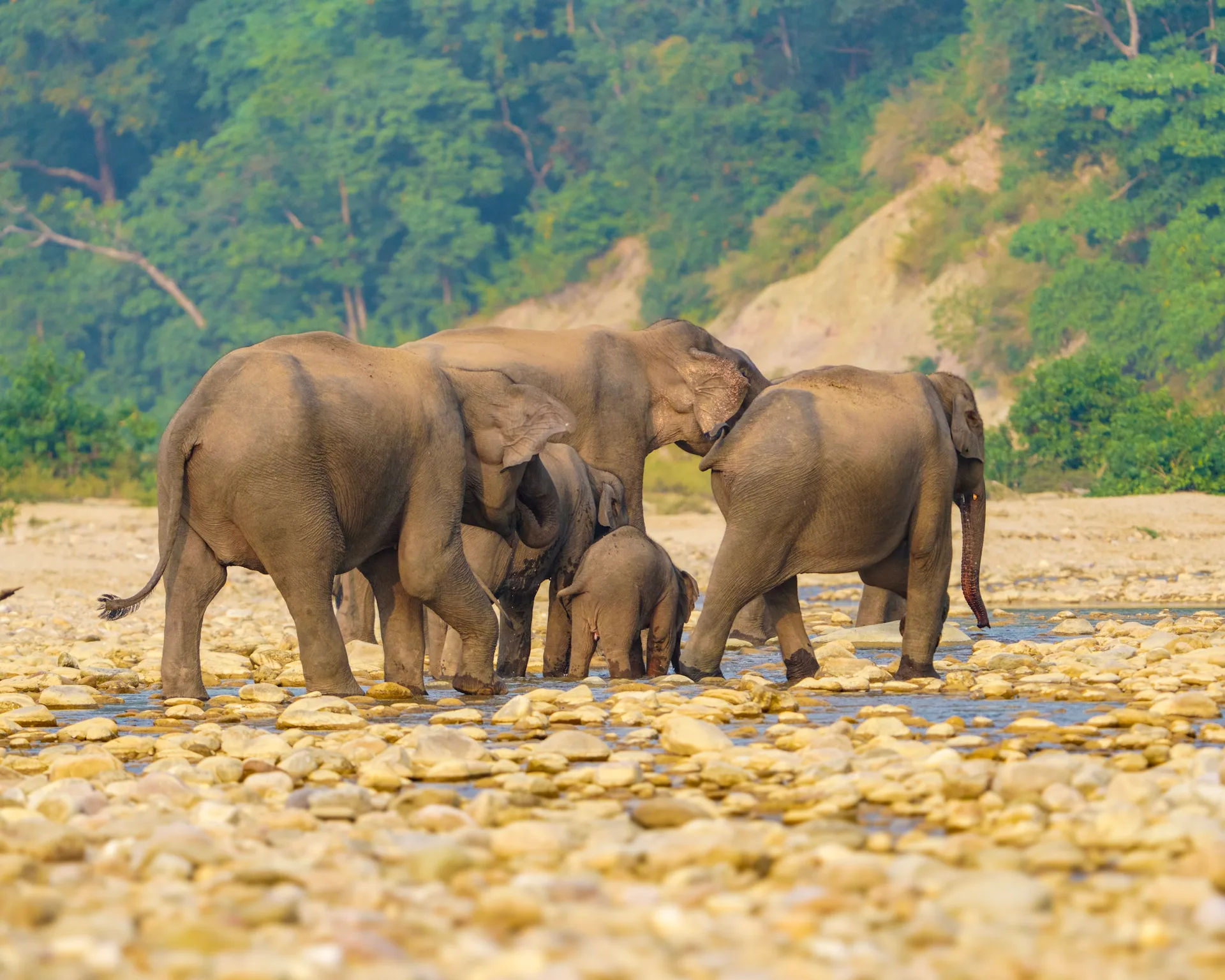
The afternoon shift has its own strengths, especially from April to June. By midday the heat sends most animals into the shade. As it cools later in the afternoon they start to move again and head for water. A drive timed for that can be good for elephants and for tigers coming down to drink. You also get a slower morning, with breakfast and no alarm before five.
In winter the afternoon shift is short. The sun drops and the light fades quickly, so you have fewer good hours than the numbers on paper suggest..
The zone matters as much as the shift
We run safaris in four zones: Dhikala (overnight stay only), Bijrani, Dhela, Jhirna and Garjia. A good zone at an average time will often beat a poor zone at the textbook time. Dhikala is a wide grassland where tigers and wild elephants share the same ground. Bijrani is a good all-round choice. Dhela and Jhirna stay open all year, while Dhikala only reopens in mid-November after the monsoon, so your dates decide which zones you can actually get.
Permits are issued for a zone and a shift together, which means you pick both at the moment you book. February to June is peak tiger season, and permits for all four zones should be booked at least 45 days ahead. Leave it late and you will be offered the shift and zone that are left over, which may not be the ones you were after.
What you are likely to see in each shift
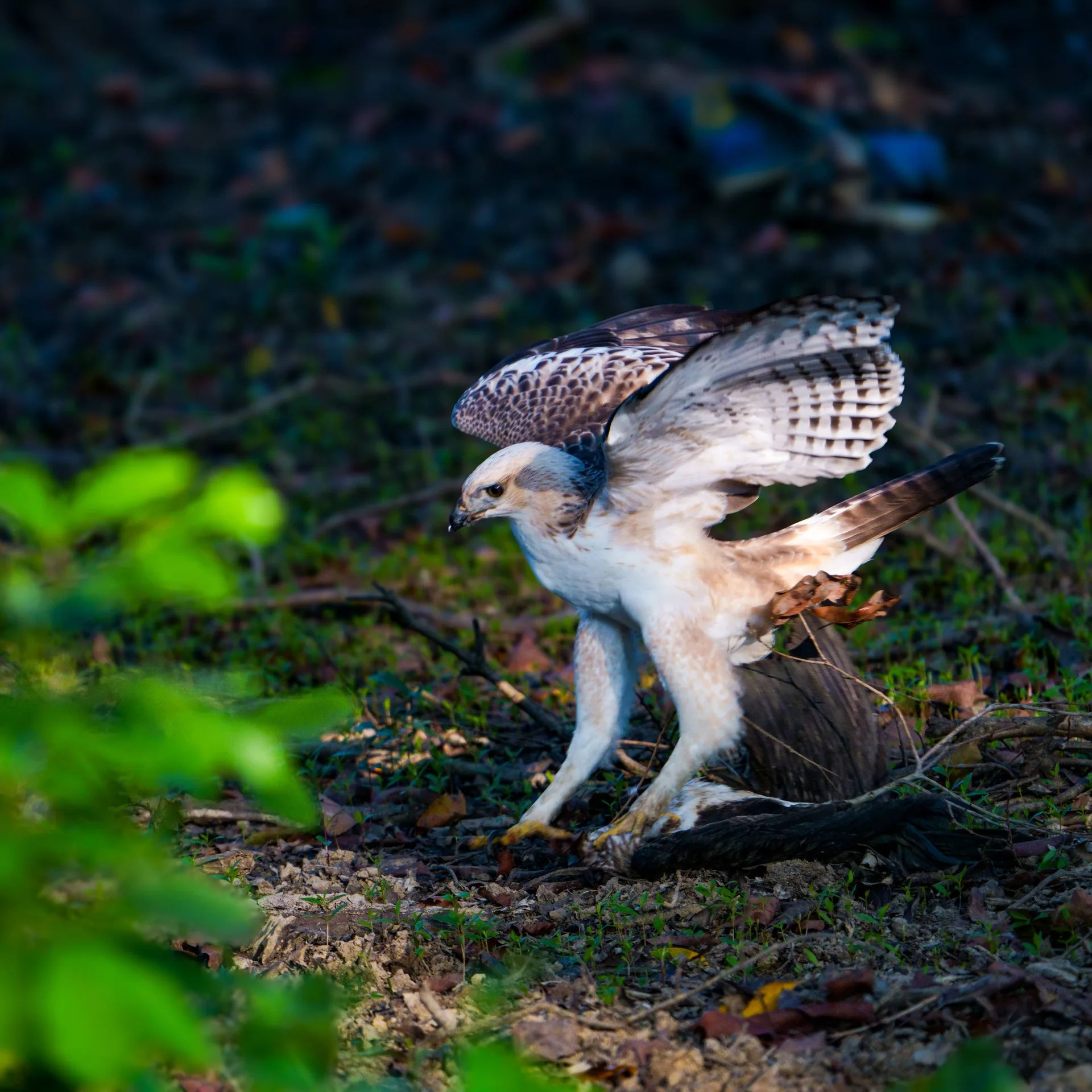
Corbett's wildlife list is long. Tigers and Asiatic elephants share the park, and leopards, sloth bears, chital and sambar deer are all here. The Ramganga holds gharial and mugger crocodiles, and the bird list includes the great hornbill and the tiny collared falconet. Not all of it keeps the same hours.
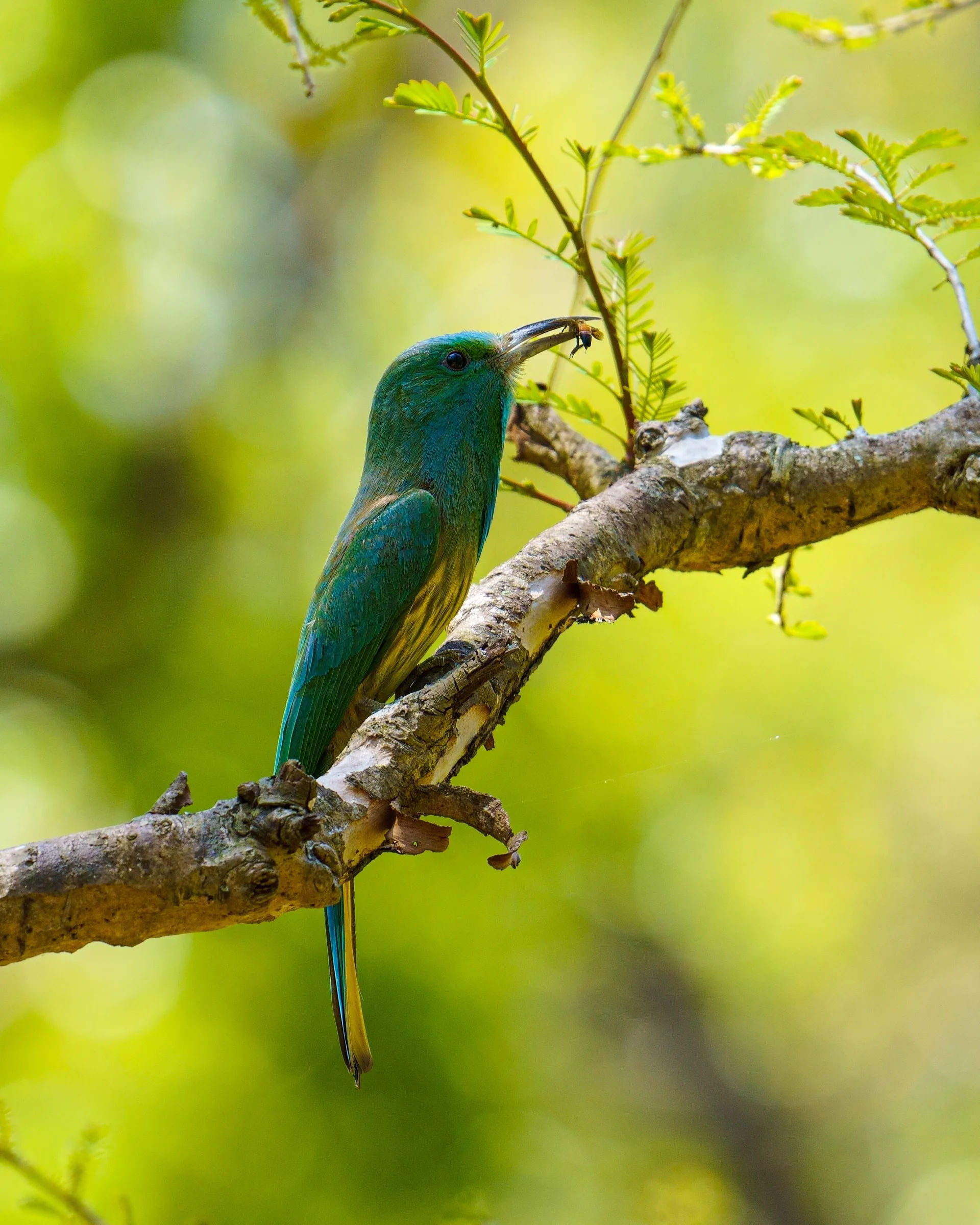
Birds are at their most vocal in the first hour or two after sunrise, which makes the morning better for anyone with binoculars. Reptiles are the other way round. Gharial and crocodiles usually come out onto the sandbanks to bask once the sun is at it’s brightest, so a late-morning or early-afternoon stretch by the river is when you are most likely to find them. Elephants turn up at any hour, but you often get the best views of herds near the river in the hottest parts of the day.
A tiger can appear at any time, and no one can promise one. What a good naturalist does is improve the odds, by knowing which track a tiger used yesterday, which waterhole is still in use and what the deer are telling you.
So which one should you pick?
The honest answer to the Jim Corbett safari best time morning or evening debate is that it depends on the season more than anything else, so here is how we would split it.
Cold months, November to February: take the morning drive if you can handle the chill, and add an afternoon drive in a different zone.
Hot months, April to June: the morning shift is ideal, whereas the afternoon safari requires a lot of patience as most of the predator activity begins only once it starts to cool down which is closer to the time of exiting the Park.
Birds and photography: morning, for the soft light and the noise.
If you can only do one drive, we would pick the morning. The other half of the answer is that one drive is rarely enough, and plenty of the best moments in Corbett come on the second or third outing.
What to carry on each drive
The jeeps are open, so dress for the weather you will actually feel at speed. For a winter morning that means a warm jacket, a scarf, gloves and a hat, which you can peel off as the day warms up. For summer afternoons, take a sun hat, sunglasses and a bottle of water, and expect dust. A pair of binoculars is worth more than a second camera lens for most people. Bring a camera for photographs, and keep a neutral-coloured top on, since bright colours stand out in the forest.
Plan both shifts with 47 Safaris
Over a three-night stay we usually put a morning and an afternoon drive on different days and in different zones, so you see more than one side of the park. You travel in a private jeep with an experienced, English-speaking naturalist, who reads the signs in the forest and tells you what is happening as it happens. We book the permits for the zones and shifts we agree with you, and we choose a hotel close to the gate so you are not losing an hour on the road.
Safari prices are set by the Forest Department and change from year to year, so we do not list them here. Tell us your dates, who is travelling and how early you are happy to get up, and we will suggest a plan. For anyone still searching for the Jim Corbett safari best time morning or evening, that is the quickest route to an answer that fits your trip.