Read a few safari itineraries and you will see three labels used almost as if they meant the same thing. One page says Corbett National Park, the next says Corbett Tiger Reserve, and a third talks about a wildlife sanctuary nearby. Are they different places? Sometimes, and sometimes they are the same forest with two names on it.
Guests ask us about this more than you might expect, usually just before they book. The question "national park vs wildlife sanctuary vs tiger reserve" has a clear answer, and it affects which zones you can drive in and what rules apply. Here it is without the legal jargon.
One law behind all three
All three labels come from the same law, the Wildlife (Protection) Act of 1972. India has more than a hundred national parks, over five hundred wildlife sanctuaries and more than fifty tiger reserves. The numbers keep growing, as states notify new areas every year, so treat any figure you read as a rough guide.
National park
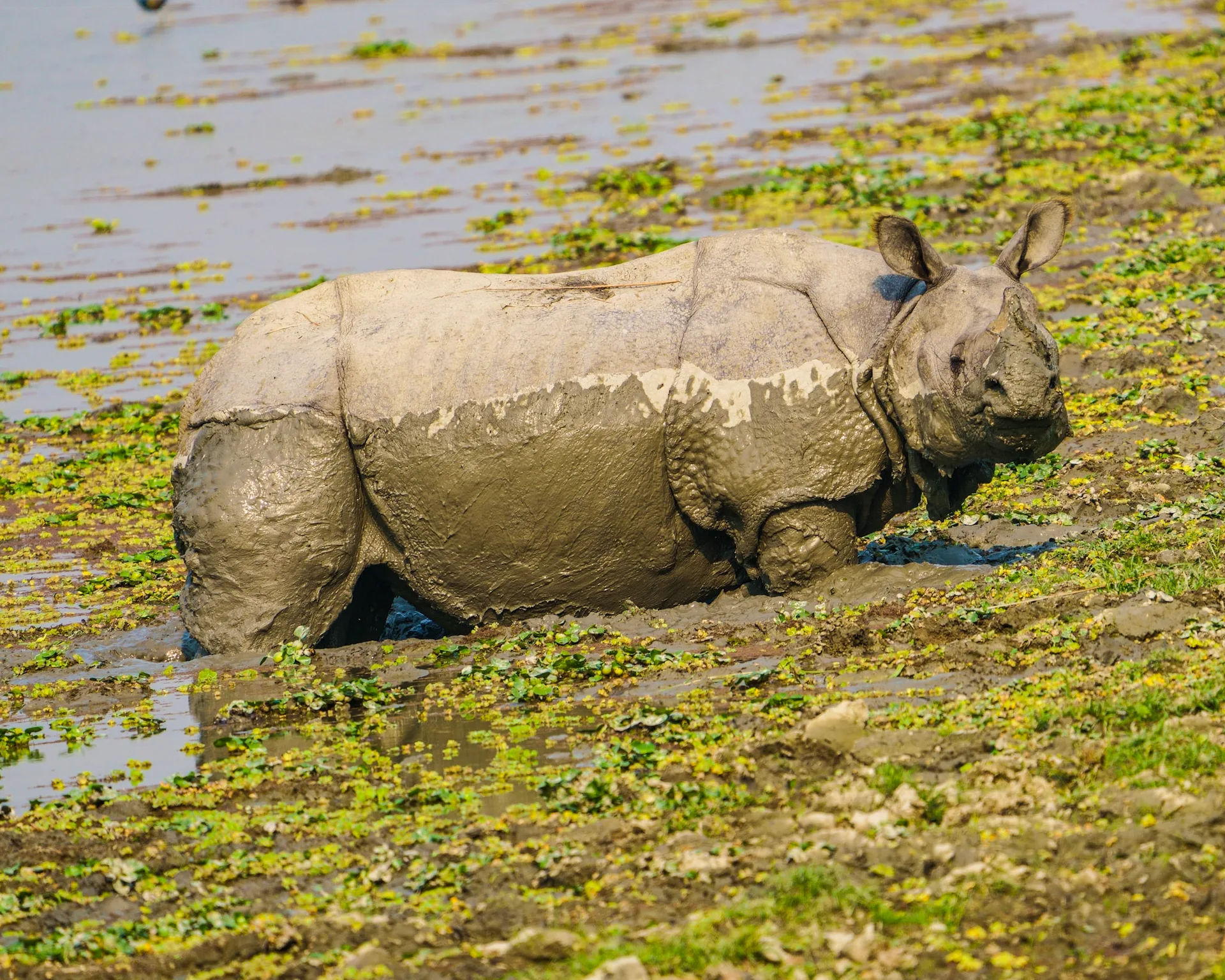
A national park gets the strongest protection of the three. Its boundaries are fixed by law, and activities like grazing cattle, cutting timber or living inside the area are not allowed. People can enter only for observation, photography and research, on routes the forest department approves. Jim Corbett, Ranthambore, Panna and Kaziranga are all national parks.
Wildlife sanctuary
A wildlife sanctuary is protected as well, but the rules are a little looser. Depending on the sanctuary, villagers living nearby may still be allowed to graze animals or collect certain forest produce, as long as it does not harm the wildlife. Visitors usually need permission to enter, and sanctuaries are often quieter than the famous national parks. Many are good for birds, wetlands and species that are not tigers.
Tiger reserve
This one is different, and it is where most of the confusion begins. A tiger reserve is not a third kind of land. It is a status the state government gives to an area, on the advice of the National Tiger Conservation Authority, to protect tigers and the forest they depend on. It began with Project Tiger in 1973, which started with nine reserves.
Most tiger reserves have two parts. The core is an inviolate area, often a national park or sanctuary, kept free of human use. Around it sits a buffer zone, where local people live and work alongside wildlife under controlled rules. Safaris run in the core, in the buffer, or in both, depending on the reserve.
Other labels you may come across
Two more terms turn up in articles and can confuse. Conservation reserves and community reserves are smaller protected areas, usually next to a national park or sanctuary, where local communities and the government share the management. A biosphere reserve is a separate designation altogether, given to large areas for the mix of nature and local life inside them, and it can overlap with a national park or tiger reserve. Panna is an example. None of these change how you book a safari, but they explain why one forest can carry several names.
How they overlap
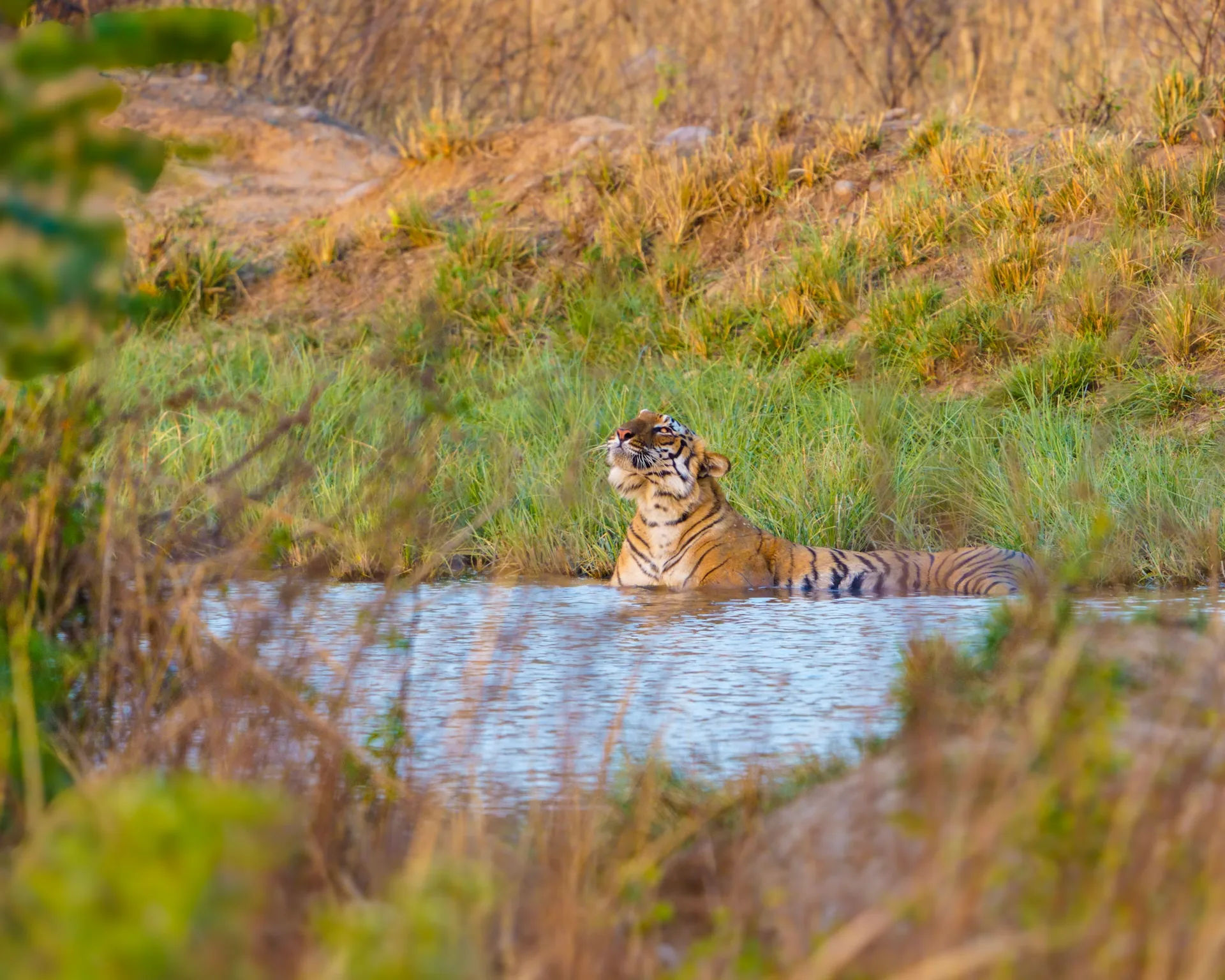
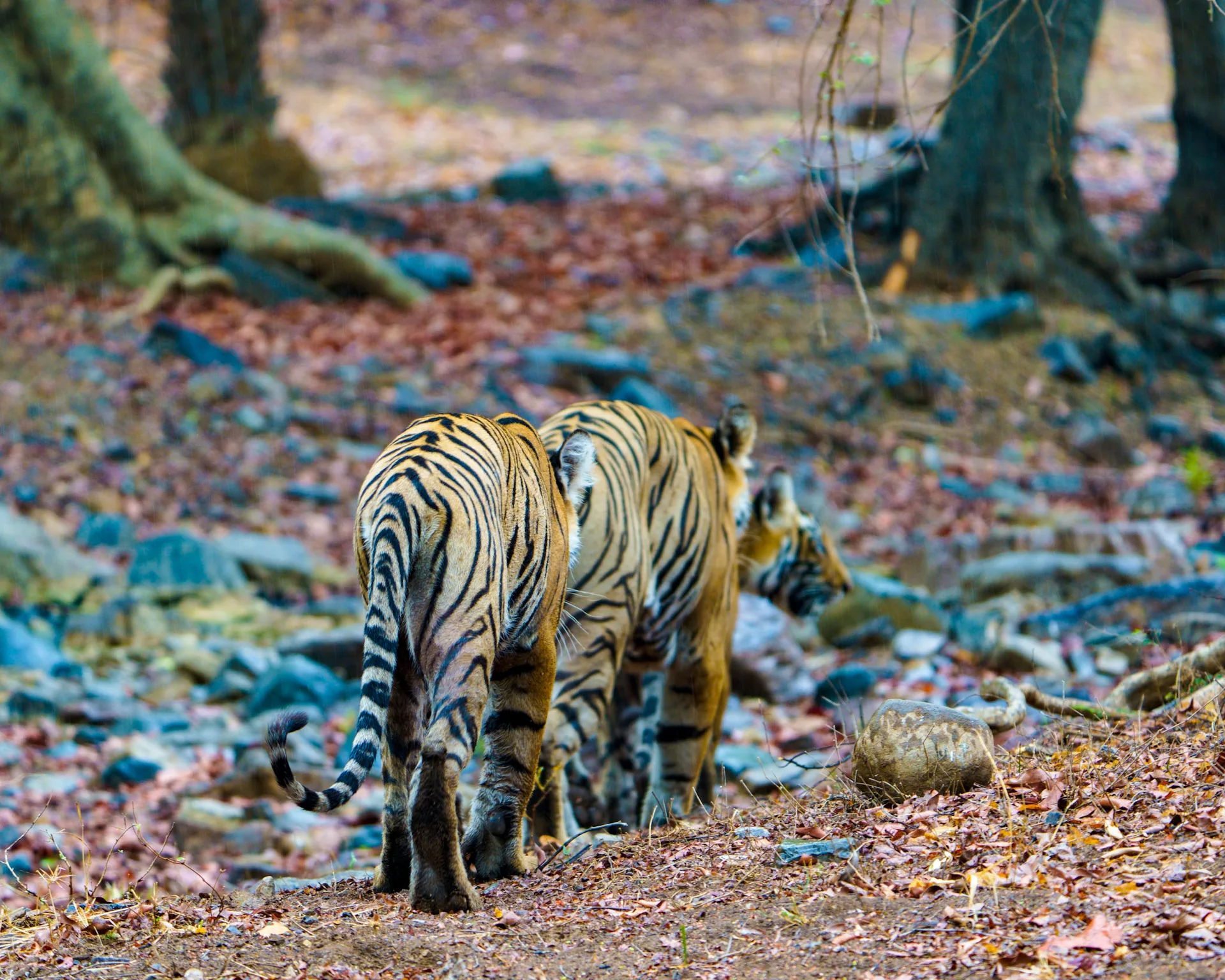
Take Corbett. The Jim Corbett National Park is the core of the Corbett Tiger Reserve. Ranthambore and Panna follow the same pattern, with a national park inside a larger tiger reserve. Kaziranga is a national park and also a tiger reserve. So when you book a safari in any of our four parks, you are entering a national park that sits inside a tiger reserve.
Core and buffer: what you will notice on a drive
In many tiger reserves the core and buffer both run safaris, and they feel different. Core zones tend to have denser forest and more protected habitat, and they are often the first to sell out. Buffer zones can have villages and farmland at the edge, and the wildlife there is still real, with leopards, deer and sometimes tigers passing through. Neither is better in every case. Ask which zone you are being booked into, and why, before you pay.
What it changes for your safari
National park: strict rules, fixed routes, and usually the most visitors
Wildlife sanctuary: slightly more flexible rules, fewer crowds, and often more birds and varied habitats
Tiger reserve: tiger protection first, with entry limited by zone and shift, so permits matter
In practice, the rules you will notice are the same in all of them. You stay in the vehicle, a forest guide travels with you, you keep quiet, and you carry the ID you booked with. What changes is how busy it is and how wide the choice of zones can be.
Which should you choose?
National park vs wildlife sanctuary vs tiger reserve is not a contest with one winner, so the better question is what you want from the trip. If you want the best chance of a tiger, pick a tiger reserve with a good record, such as Ranthambore, Corbett or Panna. If you want quiet forests and birds, a sanctuary is worth a look. If you want something famous that also has strong protection, a national park inside a tiger reserve covers both.
Planning a safari with 47 Safaris
We run safaris in Jim Corbett, Ranthambore, Panna, Kaziranga and several other tiger reserves, wildlife sanctuaries and national parks in India. We book the zones and permits, choose hotels close to the gate, and you travel in a private jeep with an experienced English-speaking naturalist. Safari prices are set by the Forest Department and change every year, so please ask us for a quote.
If you are still working through national park vs wildlife sanctuary vs tiger reserve for your own trip, tell us your dates and what you most want to see. We will suggest a park and explain why.