See the Ranthambore National Park animals you might spot on safari — tigers, leopards, sloth bears and more — with 47 Safaris.
Most people book a Ranthambore safari hoping for one thing: a tiger. It's a fair goal, and Ranthambore delivers on it better than almost anywhere else in India. But the list of Ranthambore National Park animals runs a lot deeper than the headline species, and knowing what else lives in this dry, rocky forest changes how you watch the landscape between sightings — because there's rarely a dull stretch, even on the drives where the tiger doesn't show.
The Bengal Tiger — Ranthambore's Signature Sighting
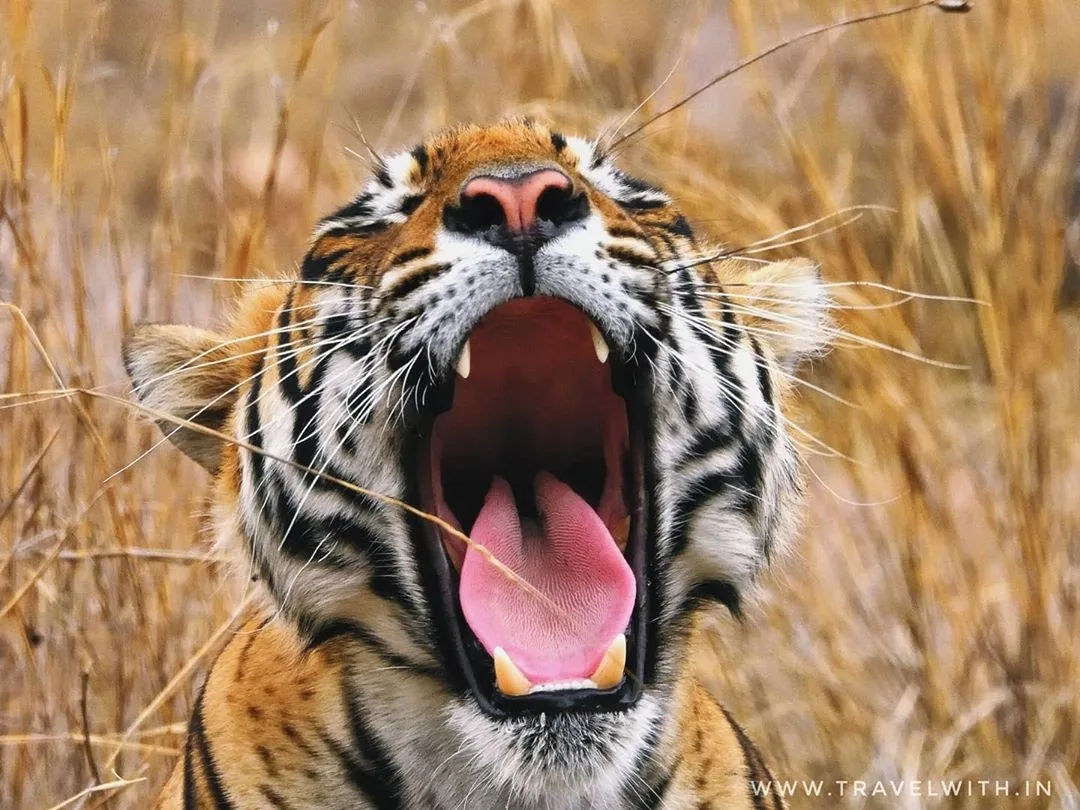
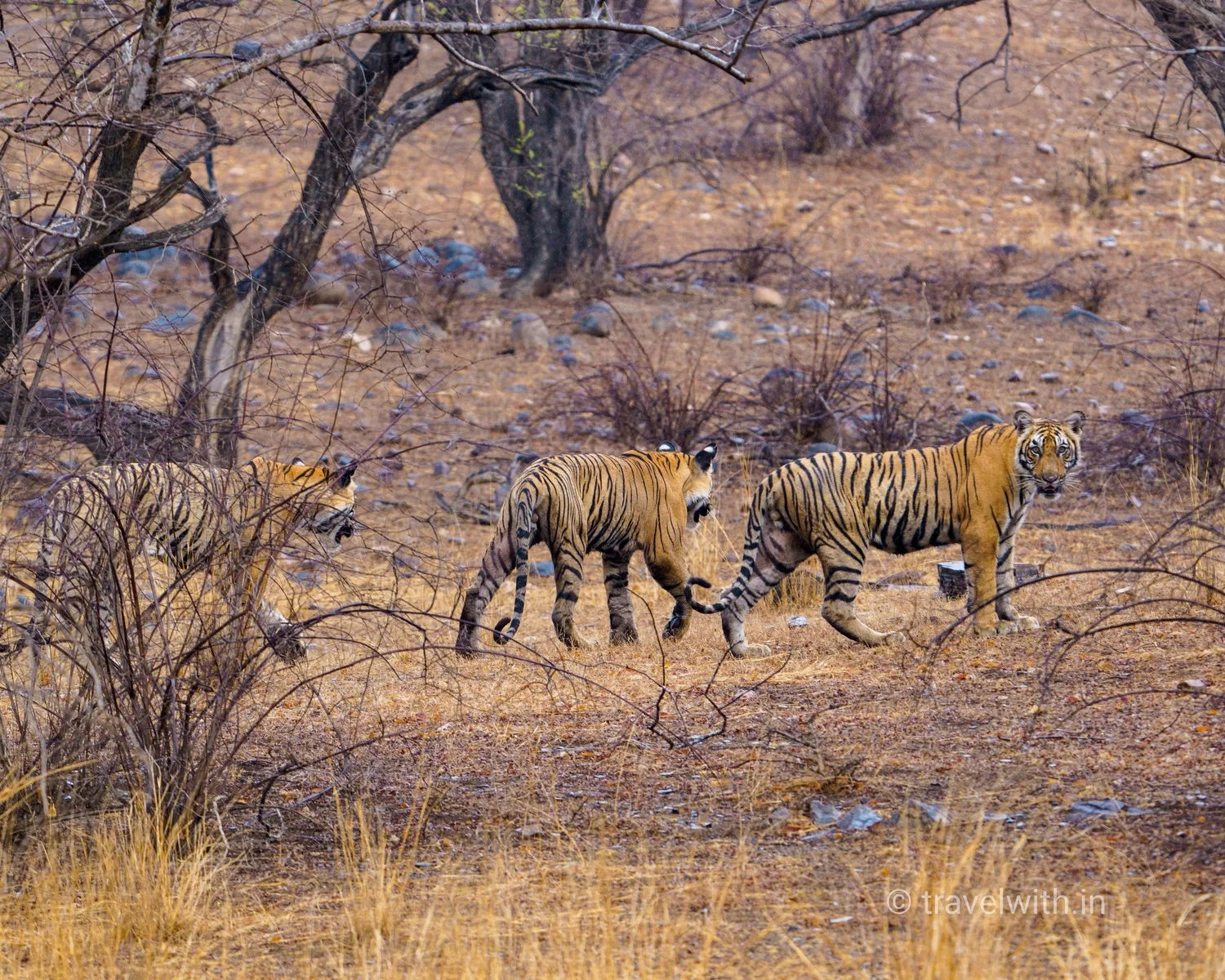
Ranthambore is home to somewhere in the region of 70 to 80 Bengal tigers, depending on which recent census you go by, and the number has climbed steadily since a sharp low point in the mid-2000s. What sets this park apart isn't just the count — it's how visible the tigers are. Generations of habituation to safari vehicles mean tigers here go about their business in full view: hunting at the lakes, moving cubs between den sites, contesting territory along the forest tracks. Few reserves in India offer sightings this consistent or this close.
Leopards and the Park's Other Wild Cats
Tigers get the attention, but Ranthambore holds five cat species in total. Leopards share the same terrain as the tigers but tend to keep to the rockier, steeper ground where tigers rarely bother going, and sightings are correspondingly rarer and more prized. Beyond leopards, the park holds caracals, jungle cats, desert cats and the elusive rusty-spotted cat — one of the smallest wild cats on the planet, and one most visitors never see even after multiple trips.
Sloth Bears, Hyenas and the Park's Lesser-Known Predators
Sloth bears turn up more often than most first-time visitors expect, usually digging through termite mounds or turning over rocks for insects, and they're worth watching for their sheer physical oddness — that shaggy coat and lumbering gait look almost prehistoric next to a tiger's precision. Striped hyenas are the park's scavengers and occasional hunters, mostly active around dawn and dusk, along with jackals, honey badgers and a scattering of smaller mammals like palm civets, mongoose and porcupines.
One thing worth knowing before your safari: Ranthambore has no elephants. It's a common assumption for people used to parks like Corbett or Kaziranga, but the dry, rocky terrain here has never supported them.
Deer, Antelope and the Prey Base
Everything above depends on what's grazing below it. Chital, or spotted deer, move in large herds and are usually the first animals you'll see on any drive. Sambar, the largest deer species here, tend to stick closer to water and are a tiger's preferred prey. Nilgai — India's largest antelope, sometimes called the blue bull for the bluish tint on older males — favour the open grassland, and chinkara, a small and skittish gazelle, round out the herbivore list along with wild boar.
Reptiles and Birdlife
The park's lakes and smaller water bodies hold marsh crocodiles, often seen basking in rows along the banks, along with Indian rock pythons, cobras and a long list of smaller reptiles and turtles. If you have spare time, drive an hour further from Ranthambore to do a river safari on the Chambal to spot the critically endangered gharial crocodile. Birders have just as much reason to visit as anyone else — Ranthambore has recorded over 300 bird species, from painted storks, ibis, egrets and herons working the lake margins to crested serpent eagles soaring overhead, Indian scops and the larger dusky eagle owls and in the summer Indian pitta and the paradise flycatcher. Winter brings an additional wave of migratory waterfowl to the lakes, which is worth factoring in if birdlife matters as much to you as the mammals.
Which Zones Give You the Best Chance
The lake zones namely Zones 3 and 4 have a high concentration of deer, antelopes and waterbirds. Naturally, tigers and other predators are drawn to this rich prey base and abundant water supply. Other zones also are rewarding for not just tiger sightings but also leopards and sloth bears. Which zone suits you depends on what species you’re keen to see or whether you are open to whatever the forest has in store for you, and it's worth deciding that before you book rather than after.
How the Season Changes What You'll See
Summer, from April through June, is when Ranthambore's wildlife is easiest to predict — the heat concentrates animals around the shrinking lakes and waterholes, which pushes up chances of wildlife sightings significantly. Winter, from October through March, brings cooler weather and the best birding of the year, though mammals are more spread out across the park since water isn't as scarce. Neither season is objectively better; it depends on whether you'd prefer cooler temperatures and a cosy bonfire in the evening or are you brave enough to bear 38+ degree celsius in exchange for increasing your odds at spotting large carnivores.
Planning Your Safari with 47 Safaris
Knowing which Ranthambore National Park animals are active in which zones is exactly the kind of detail that separates an average safari from a genuinely good one. At 47 Safaris, our naturalists who have been going on safaris almost daily during the season are able to predict which tigers and other wildlife are known to frequent which zones, whether there are any cubs, specific bird life in a certain tree or area, and we select your safari based on these factors and what is available at that time. All our safaris are in private jeeps — never a shared vehicle. If you’re a large group of friends or family, we can even buy out an entire canter (mini bus with 20 seats) for you with one of our naturalists at the helm. Permits, zones, hotels and ground transfers are all arranged before you arrive, so the only decision left is where to look first.
Whatever ends up in front of your jeep on the day, the range of Ranthambore National Park animals means there's always something worth slowing down for. If you'd like help building a safari around the sightings that matter most to you, get in touch with 47 Safaris and we'll plan it around your dates.
Travel with us
Every story here started as someone’s first enquiry.
Tell us what you want to see. We’ll build the journey around it — the right park, the right season, the right guide.
Plan your journey