A journey through Corbett National Park, Uttarakhand — its history, wildlife and zones, and how to experience it with 47 Safaris.
Long before "tiger reserve" was an official designation anywhere in India, this stretch of forest in the Himalayan foothills was already being protected. Corbett National Park, Uttarakhand, is the oldest national park in the country, and walking or driving through it today, it's not hard to see why it was the first place India decided was worth saving.
The Story Behind Corbett National Park, Uttarakhand
The park was established in 1936 as Hailey National Park, named after Sir Malcolm Hailey, then Governor of the United Provinces. It was renamed Ramganga National Park in the mid-1950s, and finally Jim Corbett National Park shortly after, in honour of the hunter-turned-conservationist whose writing and advocacy had shaped how the region thought about protecting its wildlife and conserving the habitat.
Corbett had spent years tracking man-eating tigers in the Kumaon hills, and came to argue that most of them weren't naturally dangerous — they turned to hunting people only when injury, age or habitat loss left them no other option. That argument helped shift wildlife policy in India, and in 1973, this same park became the first reserve under Project Tiger, the national programme that pulled the Bengal tiger back from the edge of extinction.
Geography and Landscape: Where the Himalayas Meet the Ramganga
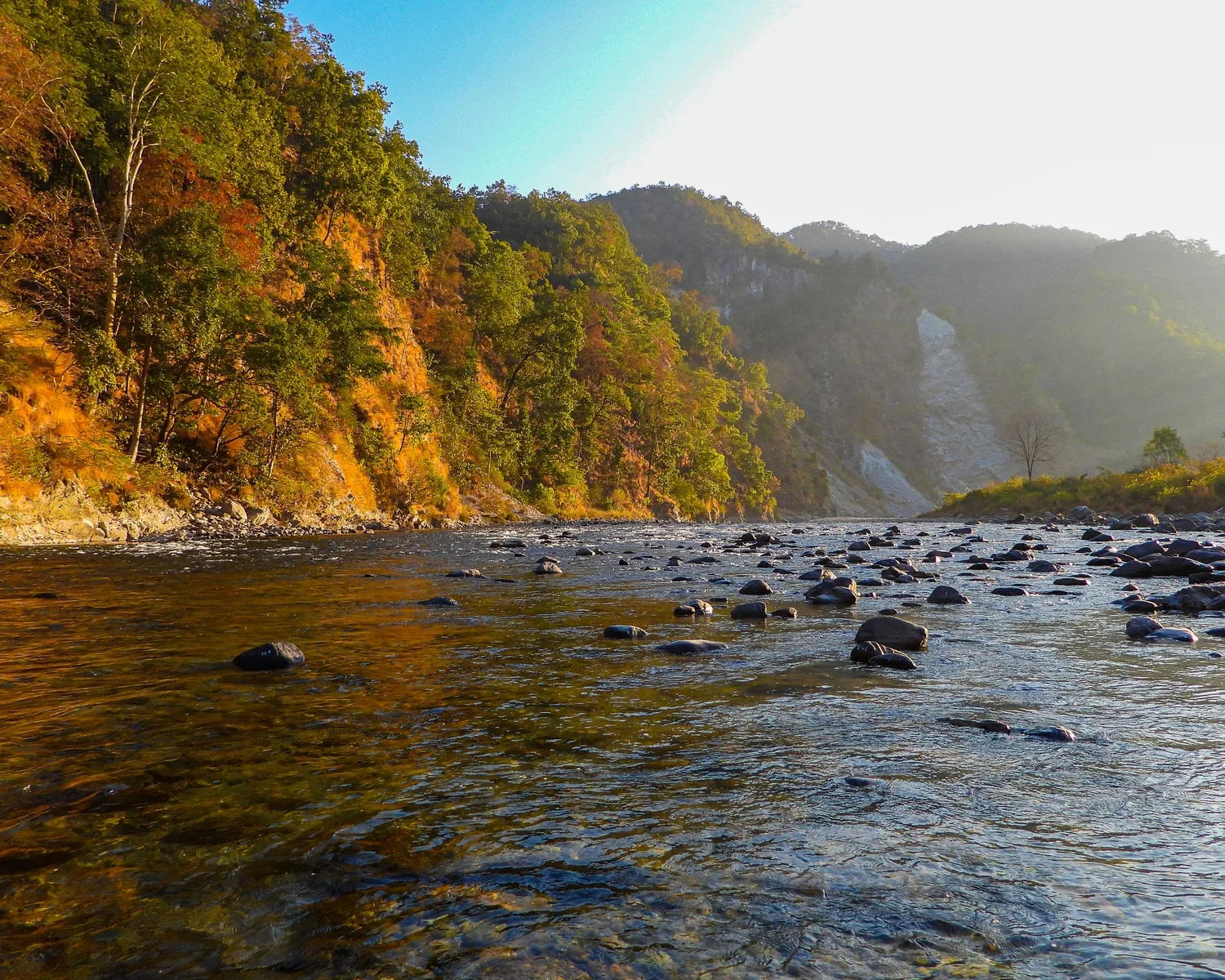
The park sits where the Himalayan foothills flatten into the Terai belt, and that transition is what gives it such a range of habitats — sal forest on the higher ground, open grassland along the river, and hills that rise sharply at its northern edge. The Ramganga River cuts through the middle of it, and much of the park's wildlife, human visitors included, orients itself around that water.
The Wildlife You're Likely to See
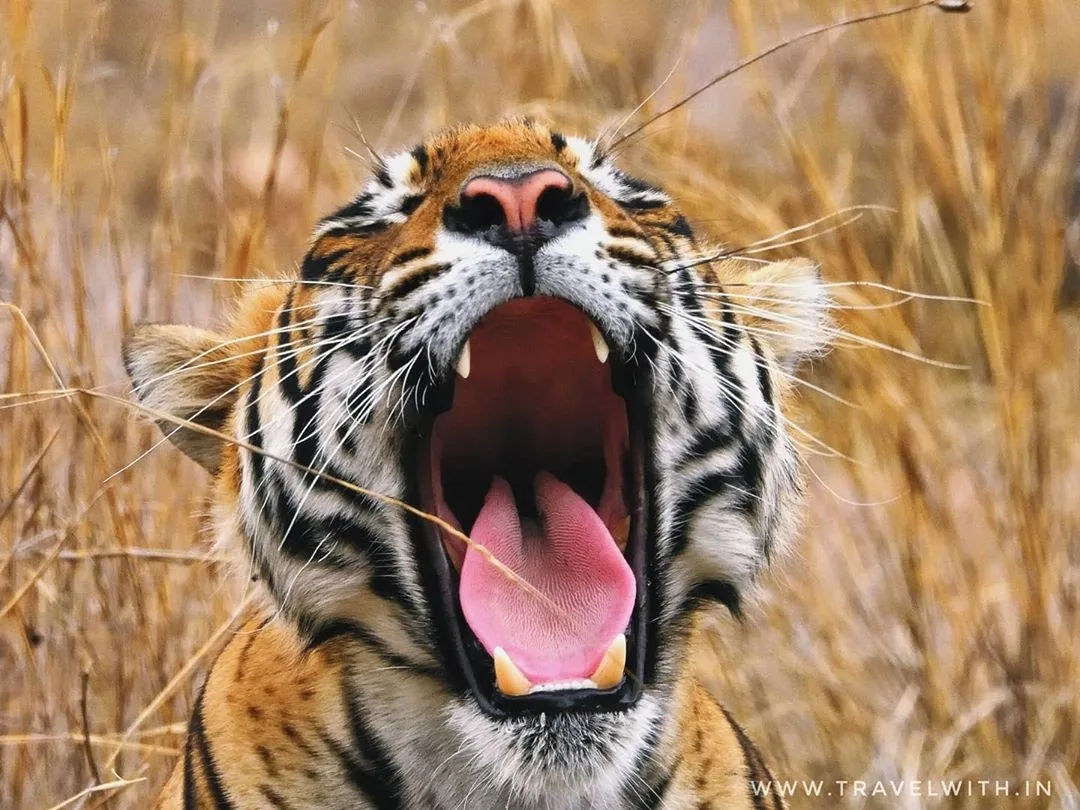
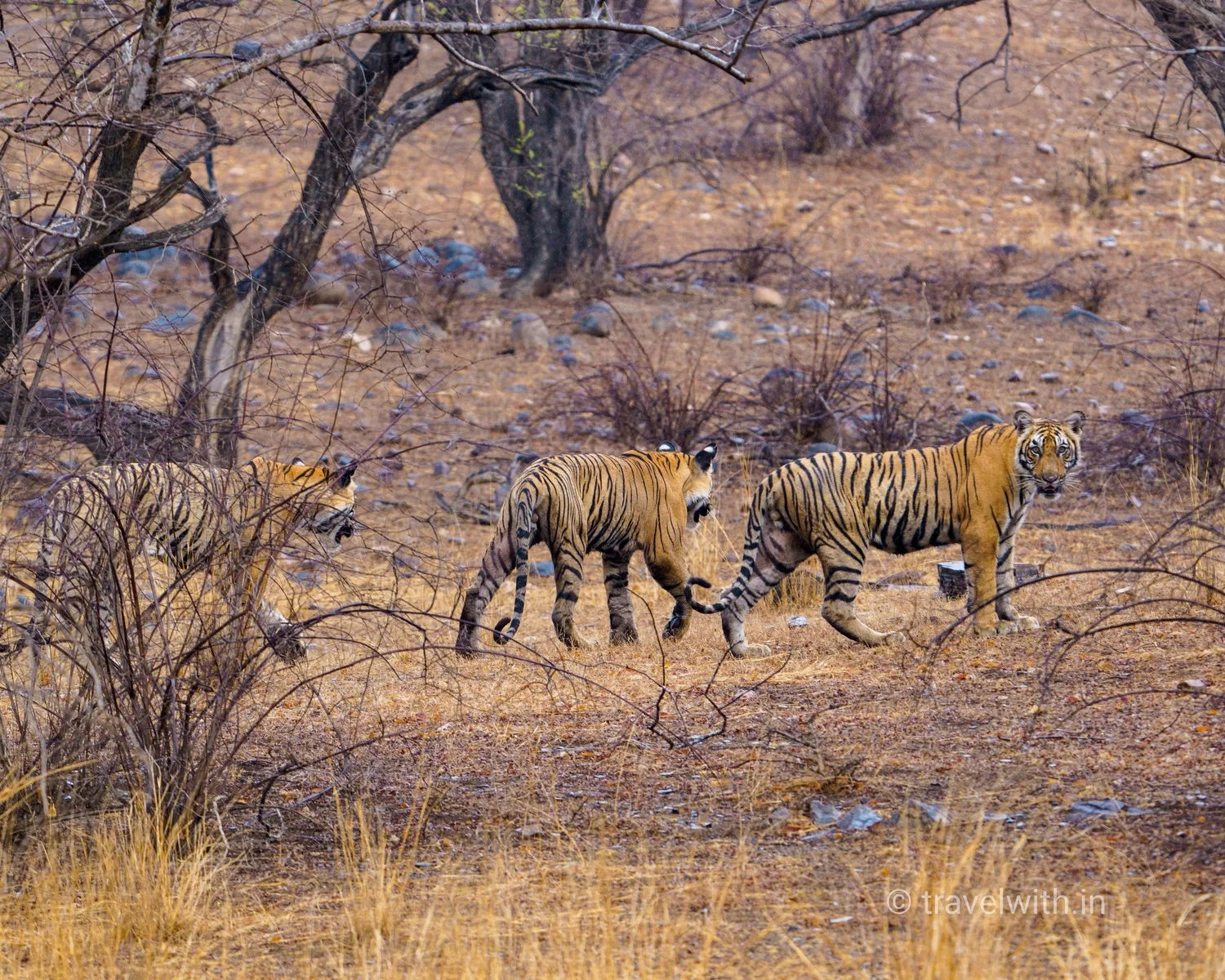
Corbett holds one of the highest tiger densities of any reserve in India, though sightings are never guaranteed — this is a wild forest, not an enclosure. Along with tigers, the park is home to Asiatic elephants, often seen in large herds along the Ramganga, leopards, sloth bears, otters, crocodiles, gharials, various species of herbivores and more than 500 recorded bird species, from the great hornbill to the one of the smallest falcons in the world the collared falconet, which makes this as much a destination for birders as for anyone interesting in a tiger sighting.
The Zones That Make Up the Park
The park is split into several ecotourism zones, each with its own character. Dhikala, the largest, holds the richest wildlife density and is the one of many zones in Corbett where you can stay overnight inside the core area, in forest rest houses built during the colonial era. However, getting a booking in one of the forest rest houses in Dhikala of late has become extremely difficult because of excellent tiger sightings and outstanding overall high animal density. Bijrani is a smaller and easier zone to reach on a shorter visit. Jhirna and Dhela are two zones that are very rewarding for wildlife sightings, stay open through the monsoon, when the rest of the park closes for the season and have excellent hotels in their periphery.
The Best Time to Visit
The park is open from October through June, and most zones close for the monsoon between mid June to mid November, though Jhirna and Dhela stay accessible year-round. Winter brings cooler mornings and clearer skies; the drier months towards the end of the season, although very hot, tend to be rewarding as most of the wildlife concentrates on the last remaining water holes and the river.
Experiencing the Park with 47 Safaris
Reading up online about a place like this is one thing — actually being in a private jeep at first light with a naturalist who goes inside the Park on safaris on a daily basis, is a different experience entirely. At 47 Safaris, we plan every visit around the zones, time of the year and our partner luxury hotels that fit your dates and budget, with an English-speaking naturalist in your own private jeep throughout. Permits, hotels, guides, safaris and ground transfers are all arranged before you arrive, so the only thing left to do is show up and experience the forest.
Travel with us
Every story here started as someone’s first enquiry.
Tell us what you want to see. We’ll build the journey around it — the right park, the right season, the right guide.
Plan your journey