"When should I go?" doesn't have one correct answer for Panna, because the best time to visit Panna National Park depends on what you're actually optimising for. Cooler mornings and comfortable safaris point one way; the highest odds of a tiger sighting point another. Here's what each stretch of the season actually looks like, month by month.
October and November: The Park Reopens
Panna reopens in October after the monsoon closure, and the forest is at its greenest right after the rains — good for scenery, though the thick cover makes wildlife harder to spot. By November, temperatures drop into a comfortable range and the vegetation starts thinning slightly, which is when sighting odds begin to improve.
December and January: Peak Comfort, Moderate Sightings
This is the most popular stretch to visit, and for understandable reasons — mornings are crisp, days are mild and evenings by a cozy bonfire. It's easily the most pleasant weather of the year for a multi-day safari. Sightings are decent but not yet at their peak, since there's still enough water scattered through the park that wildlife isn't forced to concentrate around a handful of sources.
February and March: The Shift Begins
Temperatures start climbing through February, and by March the dry season is properly underway. Spring transforms the forest - the forest appears to be on fire with the blooming flame of the forest or palash flowers. Tendu and other wild fruits appear and herbivores are often seen near these trees in large numbers. Water holes begin shrinking, which starts pulling wildlife toward the remaining rivers and water bodies — sighting odds pick up noticeably compared to the winter months, even as the weather itself grows less comfortable.
April to June: The Toughest Conditions but most rewarding sightings
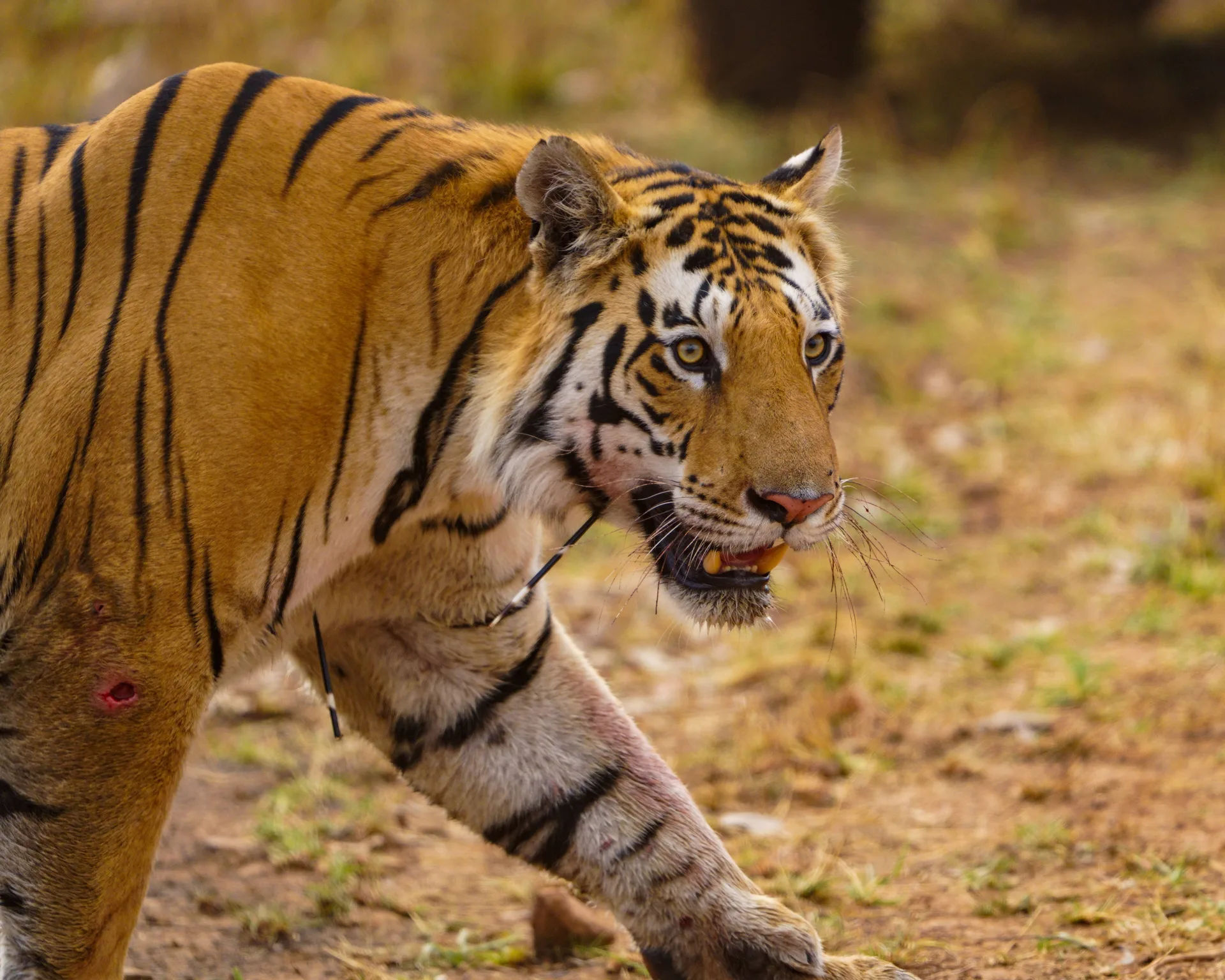
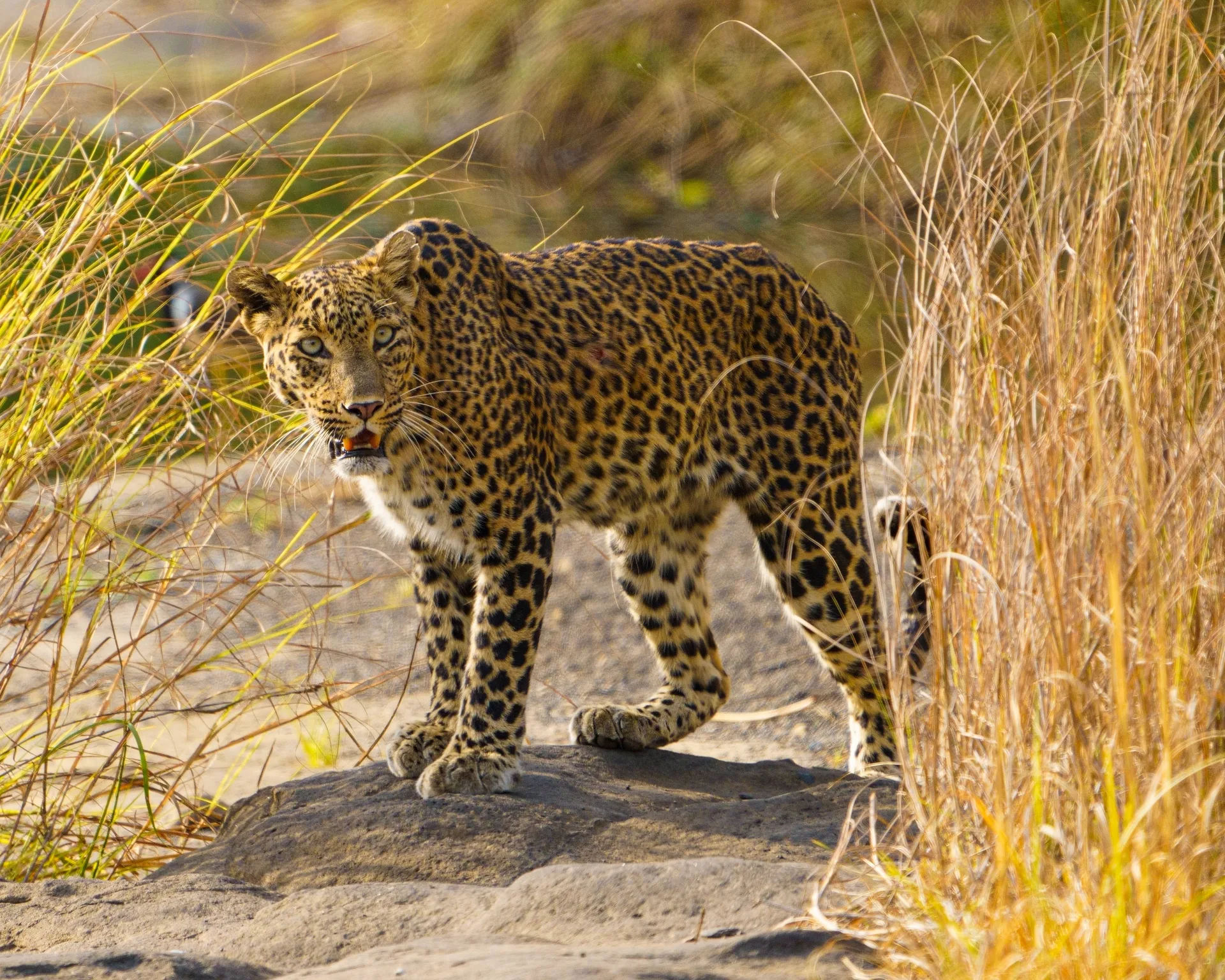
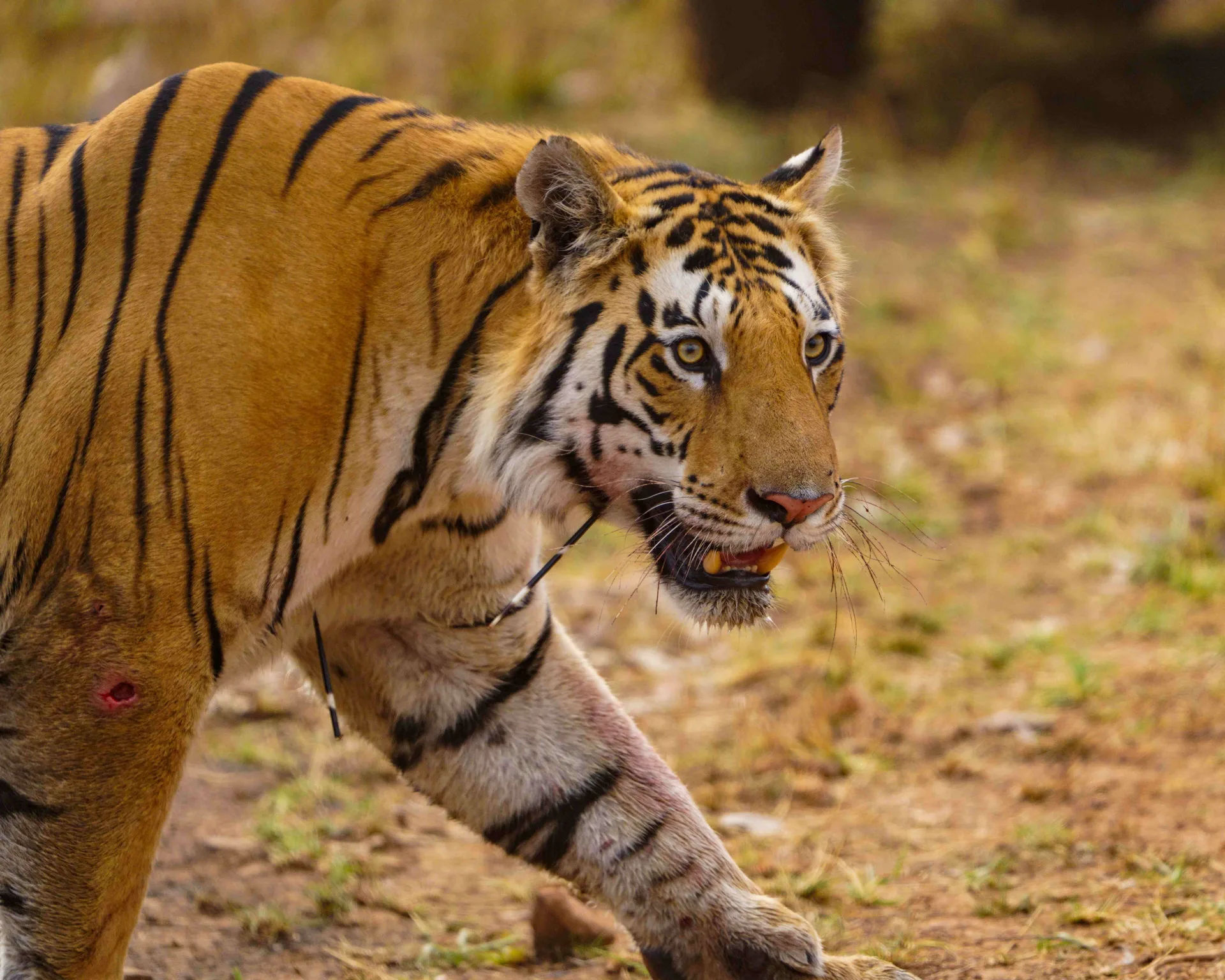
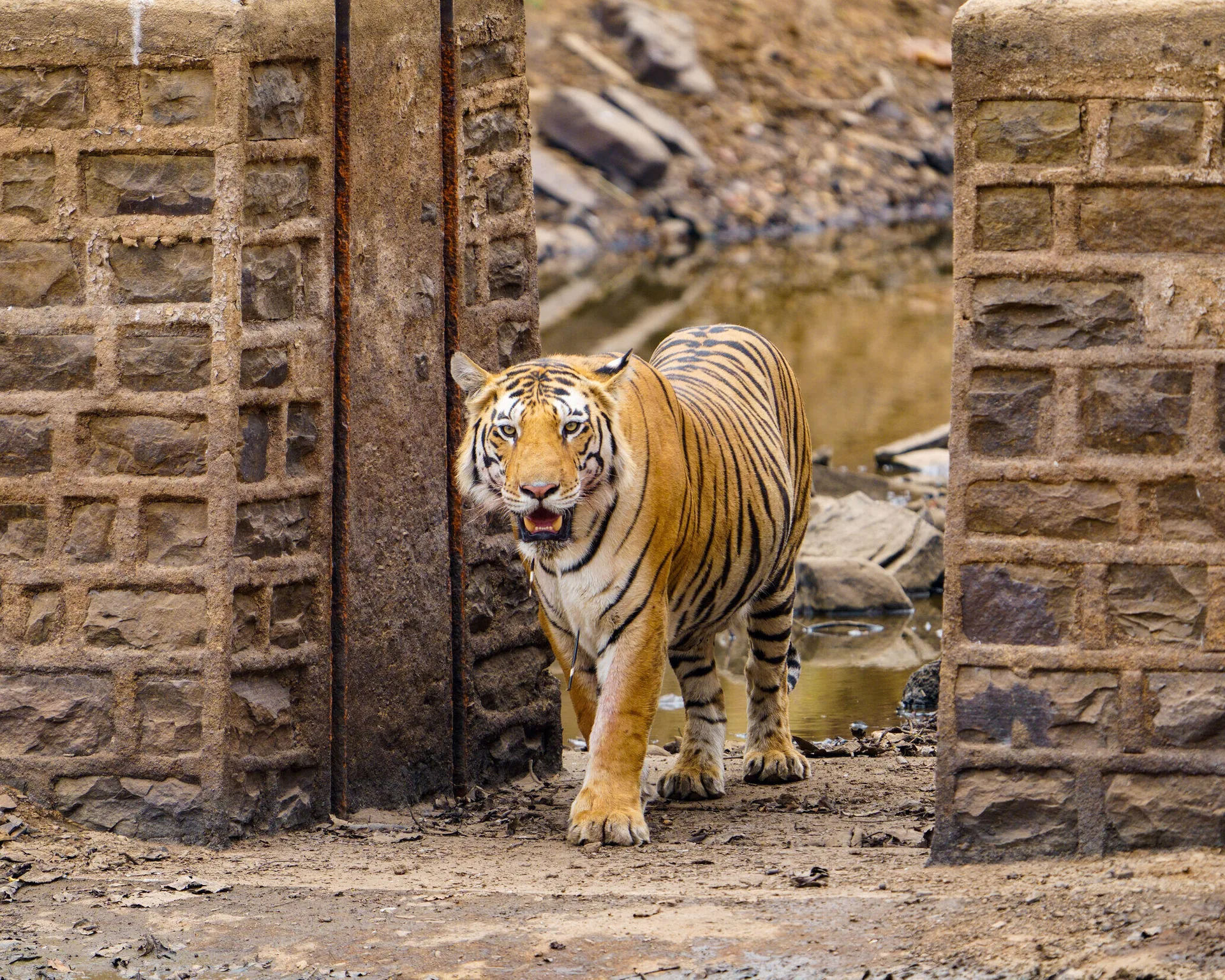
This is peak sighting season, and it's not close. As temperatures climb well past 40°C and many water sources dry up entirely, tigers, leopards and their prey concentrate around the Ken River and the handful of remaining waterholes, which makes them dramatically easier to find. It's also physically demanding — long open-jeep drives in extreme heat aren't for everyone, but for serious wildlife photographers, this window is when Panna delivers its best material.
July to September: The Park Is Closed
The monsoon shuts the park to safaris entirely, typically from around July 1 through the end of September. The Ken River floods, tracks become impassable, and the reserve is left to recover undisturbed until October 1st.
So Which Month Is Actually Right for You?
If comfort matters more than odds, November to February are hard to beat. If a tiger sighting is the whole point of the trip, February through June is where the numbers clearly favour you, heat notwithstanding. There isn't a single answer to the best time to visit Panna National Park — there's a best time for what you're personally trying to get out of the trip, and that's worth deciding before you book rather than after.
At 47 Safaris, we ask about that priority upfront, because it changes which weeks we recommend and how we structure your safaris once you're here. Whether you're chasing comfort or a photograph, get in touch and we'll build the itinerary around the season that actually suits what you want.
Whichever window you pick, knowing what that particular month actually looks like on the ground beats guessing based on a generic "October to June" range — the difference between a March safari and a May one is bigger than most people expect.