Are safaris in India safe? For most visitors, yes. Tens of thousands of people drive through tiger reserves every season and come back with nothing worse than perhaps dusty clothes. But you are entering a place where tigers, elephants and rhinos live, so it is worth knowing what keeps you safe and what puts you at risk.
The short version is that safaris are safe when the rules are followed, and almost every serious incident traces back to someone ignoring them. Here is what those rules are, how the vehicles work and what else to prepare for.
Where the real risk comes from
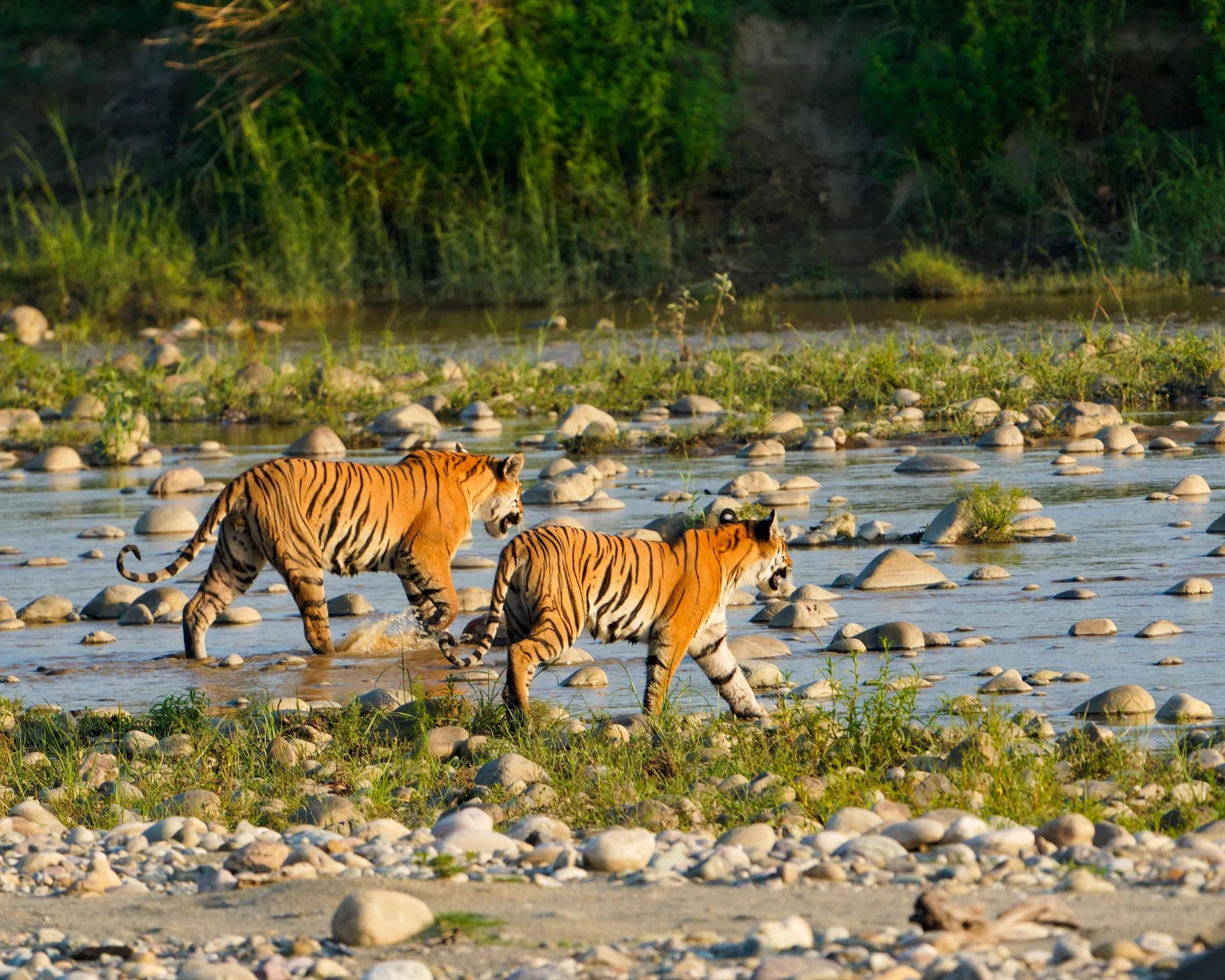
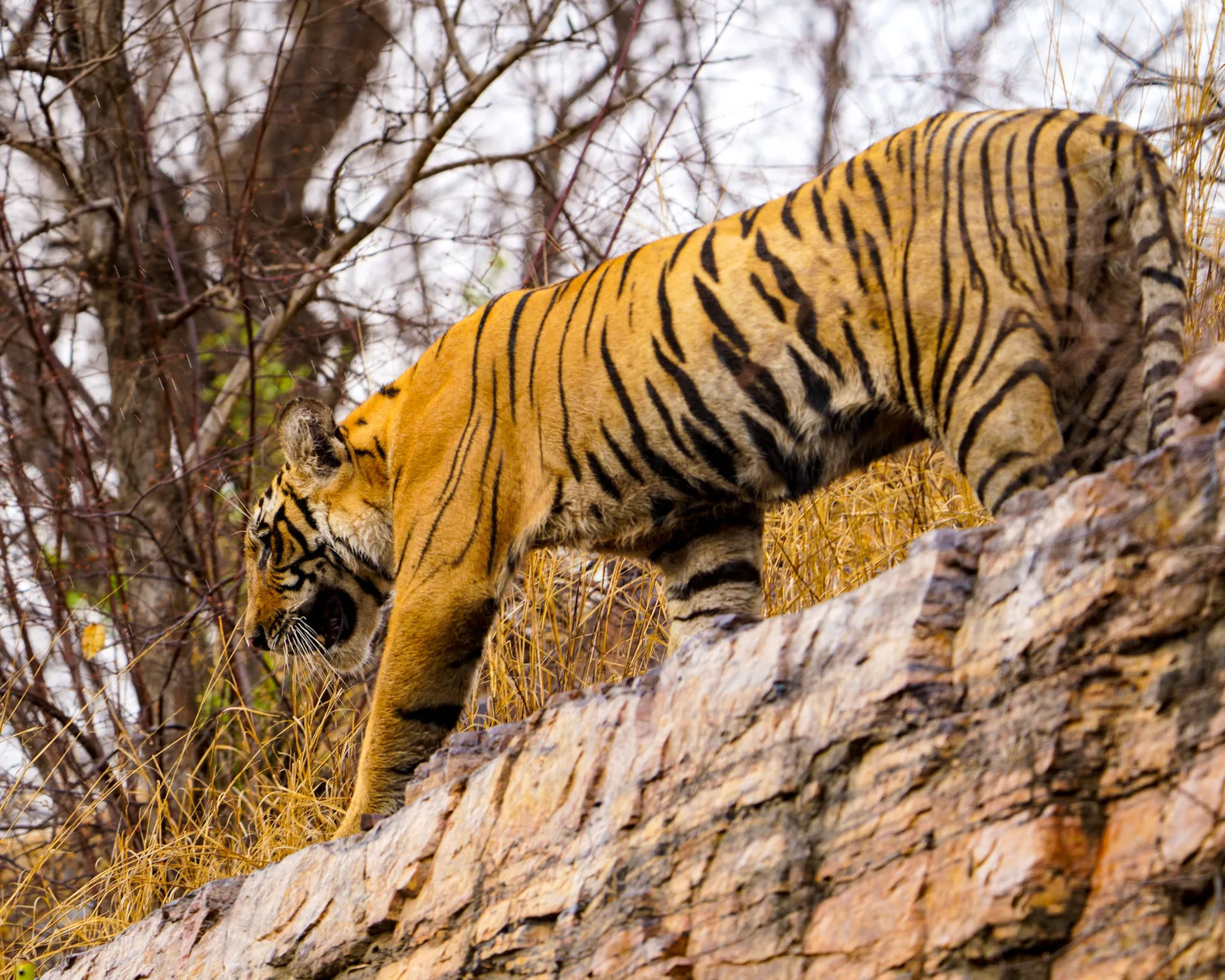
Wild animals here are used to vehicles. A tiger will walk past a jeep without a glance, because it sees a large object and not a person. That changes the moment someone stands up, steps out or shouts. Rhinos and elephants can also move quickly when they feel crowded, even if they have looked calm for the last twenty minutes.
So the danger is rarely the animal alone. It is a person doing something the animal does not expect.
The rules that matter most
Stay seated in the vehicle, and never get out unless a guide tells you it is safe at a designated point
Keep your voice low and your movements slow when an animal is close
Never feed, call or throw anything at an animal
Do not leave plastic or food waste in the park. Food is not allowed inside Kaziranga, so eat before the drive
Carry the same photo ID you used when the permit was booked, as it is checked at the gate
Follow your guide's instructions at once, even if the reason is not obvious to you
Since January 2026, mobile phones have been banned in most tiger reserves across India, and visitors may bring only a camera. Drones, tablets and playing music are not allowed in any park.
How safe are the vehicles?
Most safaris use open jeeps, which carry a maximum of six guests. Every vehicle must have an official forest department driver and a guide with you, and they know the tracks and how animals react. Staying in the jeep is itself a safety measure, because animals tend to treat the vehicle and the people inside it as one object.
At some parks such as Ranthambore, you can also take a canter, a mini-bus with about twenty people. It is slower and cannot get onto narrower or steeper tracks. Safety is not the main reason we prefer the jeep, but with fewer people on board it is easier for everyone to follow the rules and stay quiet.
Tracks are bumpy, so hold on when the driver says so. Most of the discomfort on a safari comes from the road, and it is better to expect it.
If an animal comes close
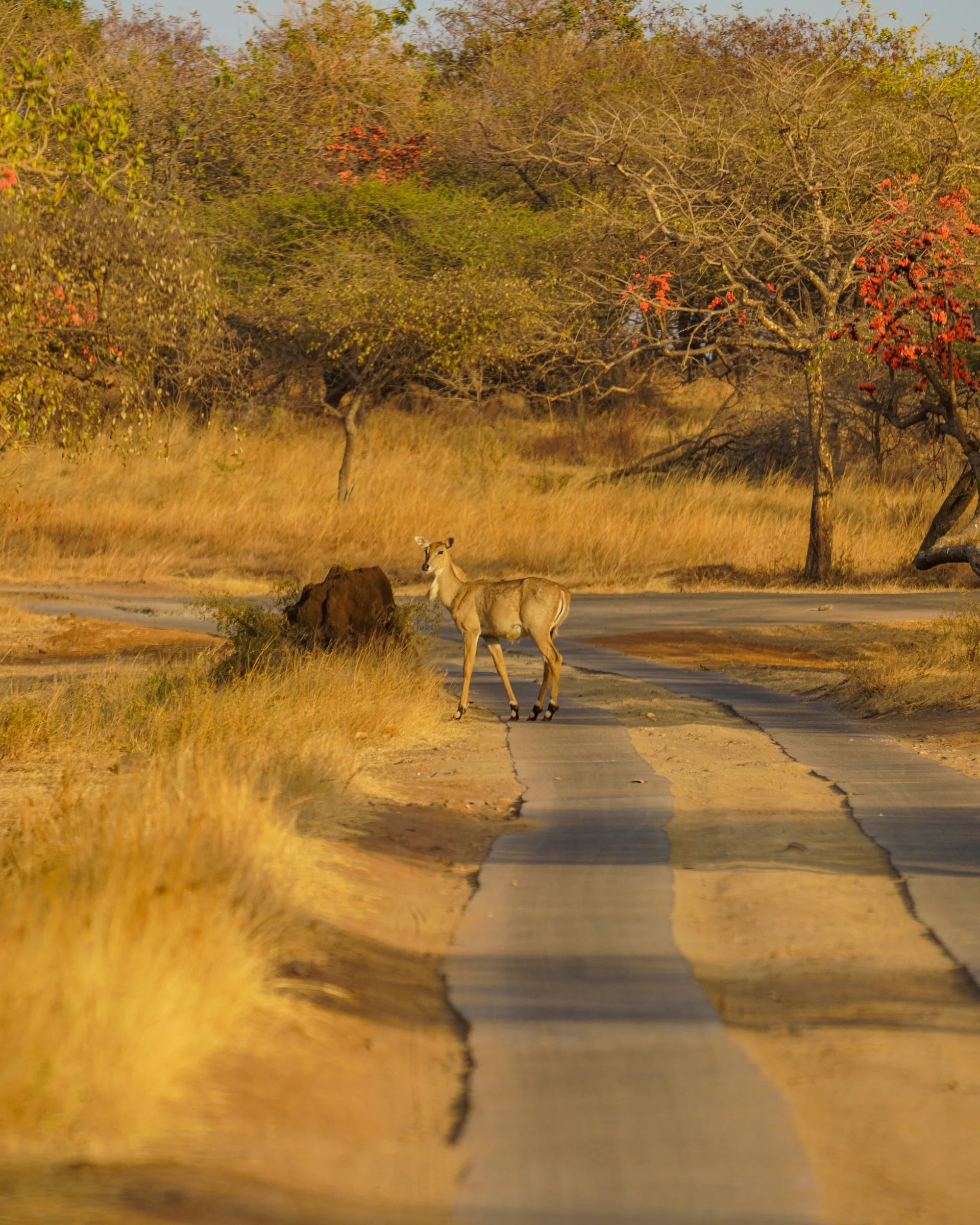
It happens more often than people expect. An elephant steps onto the track, or a rhino crosses in front of the jeep. Stay calm and stay still. Do not use a flash. Let the driver decide when to reverse and when to wait, because they know how animals behave at that distance. Most of these moments end with the animal walking away, and the vehicle that waited quietly gets the best view.
Weather, health and comfort
The things that make people unwell on safari are usually ordinary. Winter mornings in an open jeep are cold, summer afternoons are hot and dusty, and drives last three to four hours. Dress in layers, carry water, wear a hat and sunscreen in the heat, and bring insect repellent. If you need vaccinations or take regular medicine, speak to your doctor before you travel.
Bathroom breaks are worth planning for, because a drive lasts three to four hours. Use the toilet at your hotel and again at the gate before you set off. Parks have designated stops with toilets, and not every zone has one on the route, so ask your guide at the start where the nearest one is. If you need a break, tell the guide or driver and they will take you to a designated stop. Do not step out of the jeep anywhere else, even for a minute, because the forest is never as empty as it looks. If you are travelling with young children or older relatives, tell us in advance and we will plan the drive with that in mind.
Eating follows the same rule. Where a park allows it, you eat only at the designated spots where guests are permitted to get down, and not in the jeep while it is moving or waiting near an animal. The smell of food draws monkeys and other animals, and a snack at the wrong place can turn a calm drive into a problem. Take every wrapper and bottle back out with you. Kaziranga is the exception, as no food is allowed inside the park, so eat before you leave the hotel.
Road travel deserves a mention as well. Early drives often mean leaving a hotel before sunrise, and a long transfer on a bad road is tiring and not always comfortable. Staying close to your gate keeps it short. For that reason, we choose hotels near the gate that we have stayed at ourselves.
Are safaris in India safe for children and older travellers?
Many families go, we have had infants on safari as well. We also get plenty of older travellers. Whether you’re accompanied by young children or senior citizens, our drivers and guides always follow safe driving practices so that the safaris are comfortable for everyone regardless of their age. What matters is that everyone can stay seated and quiet for three or four hours, handle an early start and cope with the weather. Tell us who is travelling, and we will suggest zones and shifts that suit the group.
Booking safely
Safety starts before you arrive. Permits are issued by the forest department, and a booking that does not match your ID can leave you at the gate with nothing. Book through the official portal or a company you can verify, check recent reviews, and read the details on the confirmation before you pay. If a price looks far lower than everyone else's, ask what is missing from it.
What a private naturalist adds
Our guests travel in a private jeep with an experienced, English-speaking naturalist as well as the forest guide. The naturalist reads the situation, for instance when an elephant starts to look uneasy or the vehicle in front has crept too close to a rhino, and tells the driver to hold back. That is a practical safety benefit, and it is separate from the extra information you get about the wildlife.
Plan a safe trip with 47 Safaris
We handle zones, permits, hotels and transfers, so the practical side is settled before you travel and you can focus on the drives. Safari prices are set by the Forest Department and change every year, so get in touch for a quote. If your own question is "are safaris in india safe" for your particular group, tell us who is coming and we will answer honestly.