Plenty of travellers start with a map of India and no idea where to put the pin. They type "where are tiger safaris in india" into a search bar and get a list of thirty parks with no sense of which ones are worth the flight. This guide narrows it down.
We have kept it to four parks: Jim Corbett, Ranthambore, Panna and Kaziranga. These are the parks where we run safaris, so we can describe the zones from experience. India has other fine tiger reserves, and we are not claiming this is a ranking of all of them.
Where are tiger safaris in India?
Mostly inside protected reserves spread across the country. India holds roughly three-quarters of the world's wild tigers, and the latest published estimate, from 2022, counted 3,682. The country has more than fifty tiger reserves, and most are split into zones or gates where tourists can access the park for safaris. A tiger safari is a drive through one zone or through a specific gate, on a permit that names the zone and the shift.
That last detail matters. You do not book "Ranthambore" in a general sense. You book Zone 3 on a Tuesday morning, and the forest department only allocates a fixed number of vehicle entries for each one.
Jim Corbett, Uttarakhand
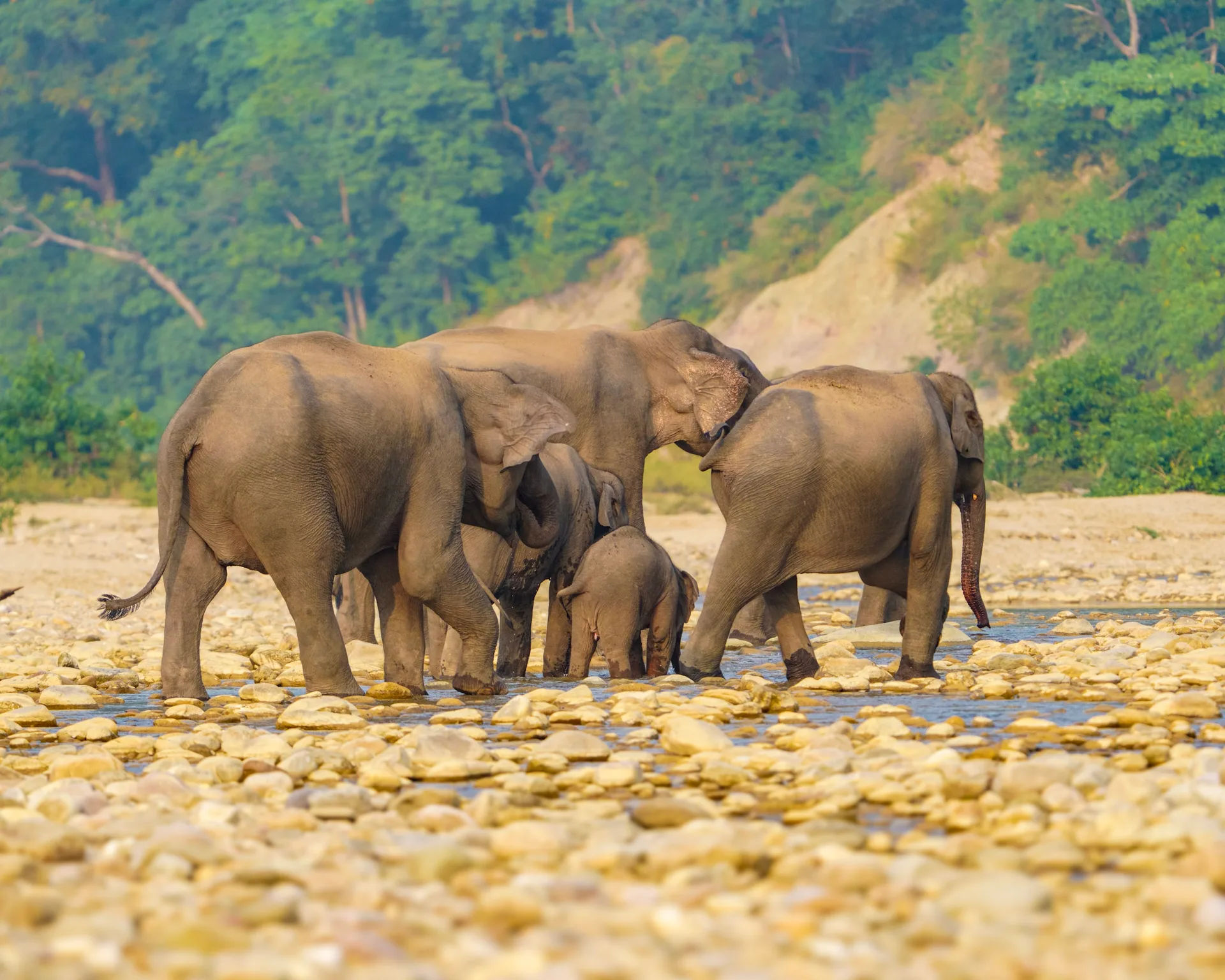
Corbett is in the Himalayan foothills, about five hours by road from Delhi, which makes it easy to fit into a long weekend. We run drives in five zones: Dhikala (no day drives, overnight stay only), Bijrani, Dhela, Jhirna and Garjia. Dhikala is a wide grassland where tigers and wild elephants share the same ground. Dhela and Jhirna stay open all year, while Bijrani, Garjia and Dhikala only reopen in mid-November.
December to June is the busiest time for tiger sightings. Permits for all zones should be booked at least 45 days ahead during those months, and also over major public holidays.
Ranthambore, Rajasthan
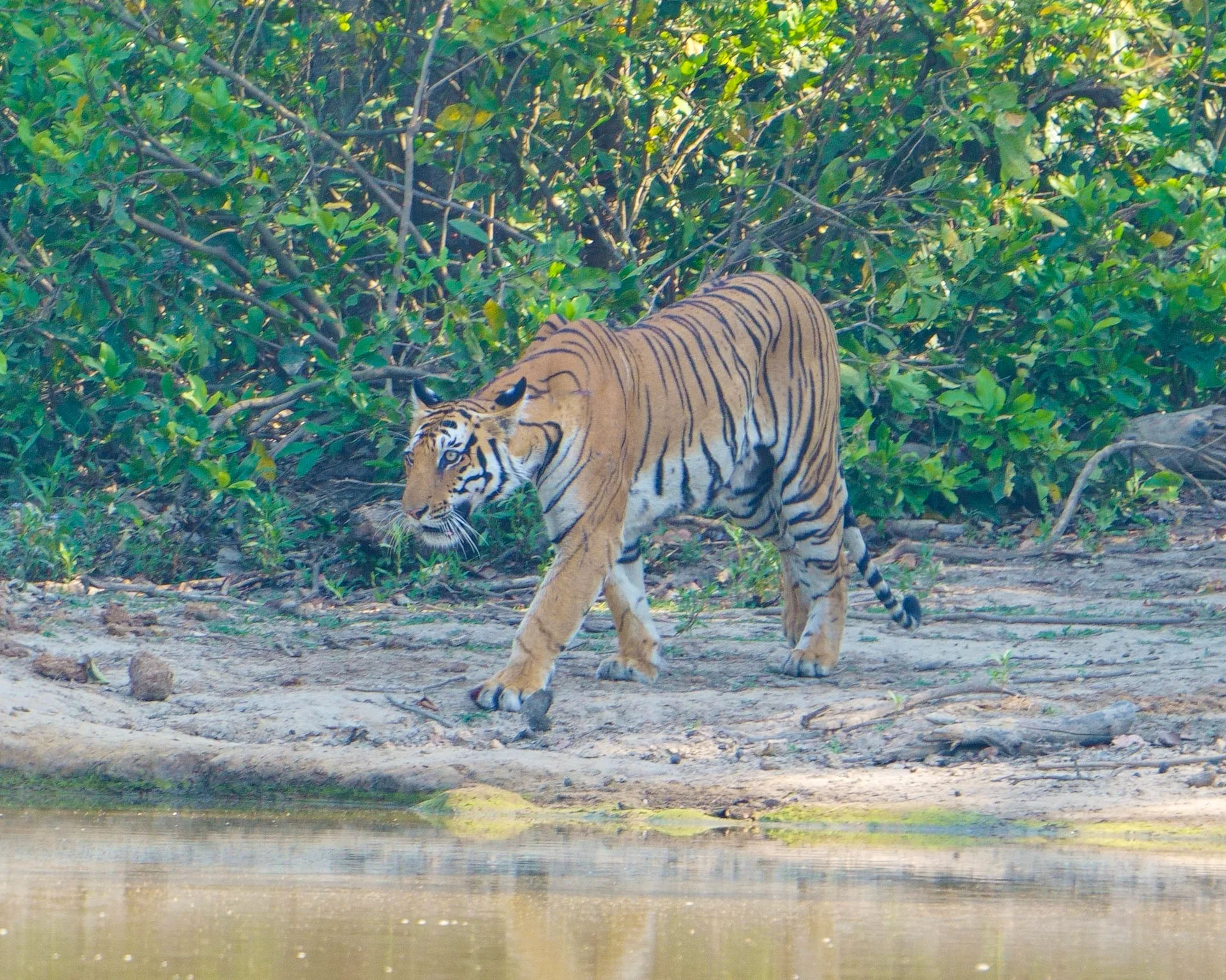
Ranthambore is the park most people picture, with open dry forest, lakes and a ruined fort on the hill. It has ten zones. Zones 1 to 5 are the closest to most hotels and have the strongest record for tigers, so they sell out first. Zones 6 to 10 can still pay off, and tigers do not follow our predictions. Some guests have seen one in Zone 7 and none in Zones 1 to 5 on the same trip.
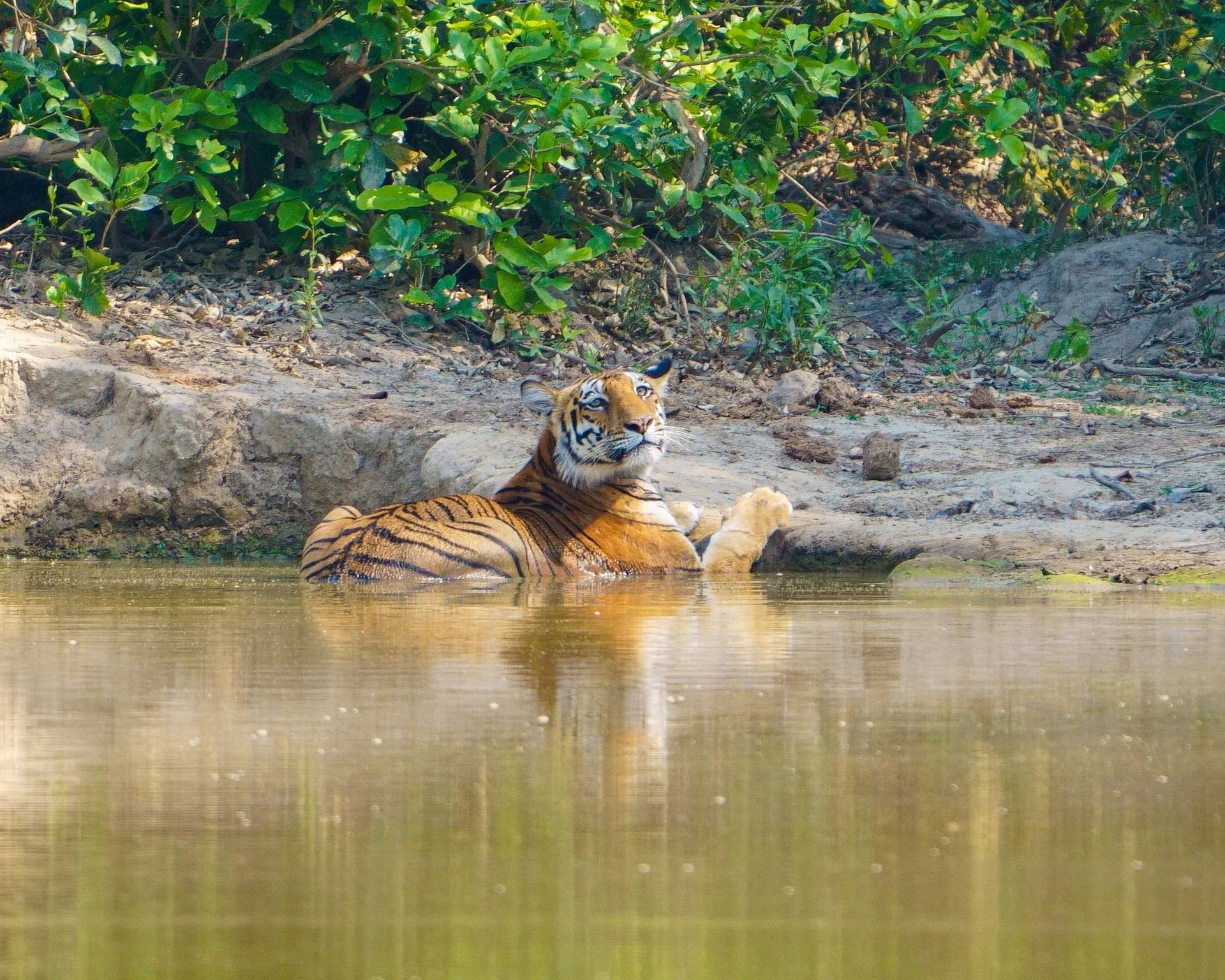
You can drive in a jeep, which carries a maximum of six, or in a canter, a minibus with about twenty people. The best zones can sell out about three months ahead. The hot months of April to June are uncomfortable, though tigers spend more time near water then and may be easier to find.
Panna, Madhya Pradesh
Panna lost all of its tigers by 2009 and has recovered after they were reintroduced from other reserves in the state. It is a large, quiet park on the Vindhyan plateau, with gorges and the Ken River running through it, and leopards and sloth bears live here too. There are far fewer vehicles than at the better-known parks.
The Madla gate is a 30-minute drive from Khajuraho, so most guests pair the safari with a visit to the temples. Hinouta, on the other side of the park, is a long drive from the Madla area, so choose the gate that matches your hotel. Because Panna is so big, we suggest four to five drives over a three-night stay.
Kaziranga, Assam
Kaziranga is on the Brahmaputra floodplain and is famous for rhinos, with 2,613 counted in the 2022 census. Tigers live here as well, but they are harder to spot in the tall grass. Come for the rhinos and treat a tiger as a bonus. Drives run through ranges including Kohora, Bagori, Agoratoli and Burapahar, and the safari season runs roughly from November to mid-May.
When to go
Seasons differ from one park to the next. Corbett and Ranthambore both do well from November to June. Kaziranga is a winter park, and Panna is at its easiest in the cooler months, though the hotter months can bring better tiger sightings. If your dates are fixed, tell us and we will say which park suits them best, because a month that is perfect for one can be poor for another.
Why the zone you pick matters
Tigers are wild animals, and they move between zones as the seasons change, so no zone can promise a sighting. What helps is picking a zone based on recent activity and not on whichever date happens to be free. That is a large part of what we do for guests. We follow where the sightings have been and book around it.
How many drives should you plan?
One drive tells you very little. Most guests do three or four drives over a three-night stay, and in a big park like Panna, four or five. Spread them across morning and afternoon shifts and across different zones, because tigers can be in one place today and in another tomorrow. A tiger sighting on the first drive is a pleasant surprise. It should not be the plan.
Which park suits which traveller?
Easiest from Delhi, with river and Himalayan foothills landscape: Jim Corbett
The best odds of seeing a tiger in the open, plus a fort: Ranthambore
A quieter park with the shortest airport to park transfer time, combined with Khajuraho’s ancient temples: Panna
Rhinos first, and a tiger if you are lucky: Kaziranga
Booking a tiger safari with 47 Safaris
Permits, zones, hotels near the gate and transfers are the parts that go wrong when you handle them separately, and we take them off your hands. You travel in a private jeep with an experienced, English-speaking naturalist. Safari prices are set by the Forest Department and change from year to year, so ask us for a quote once you have dates.
If your next question after "where are tiger safaris in india" is which park to choose, send us your dates, your group size and what you most want to see. We will suggest one and build the trip around it.