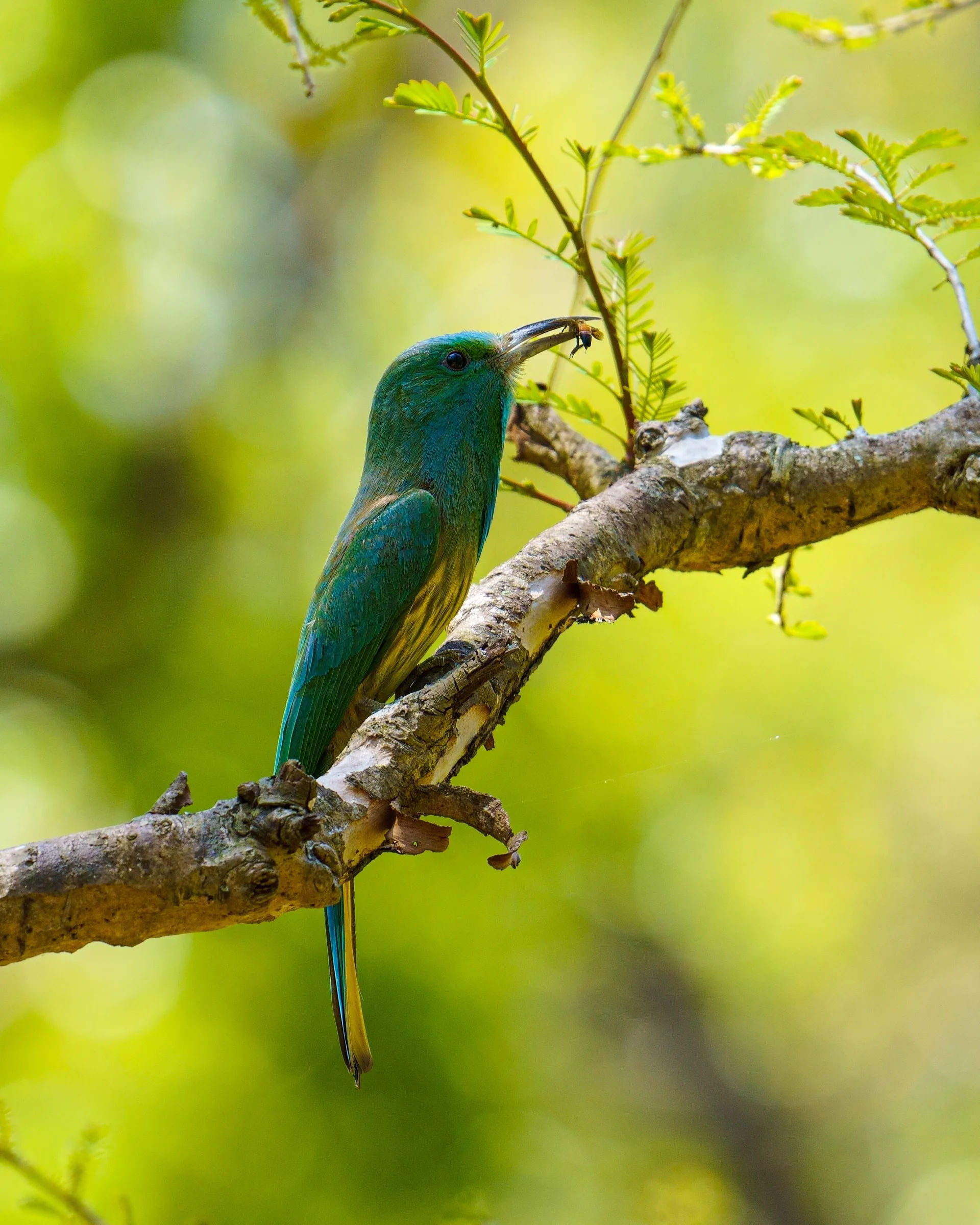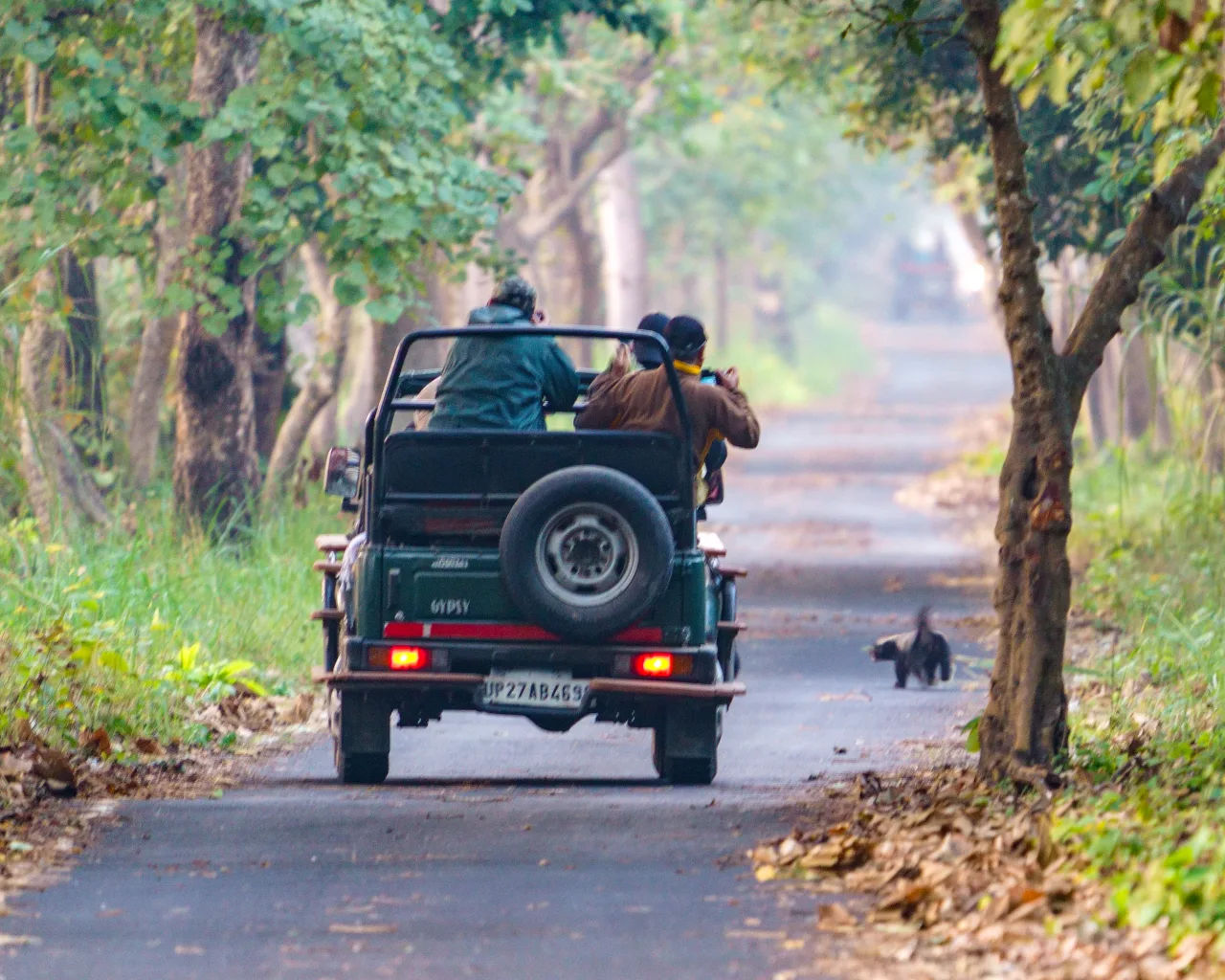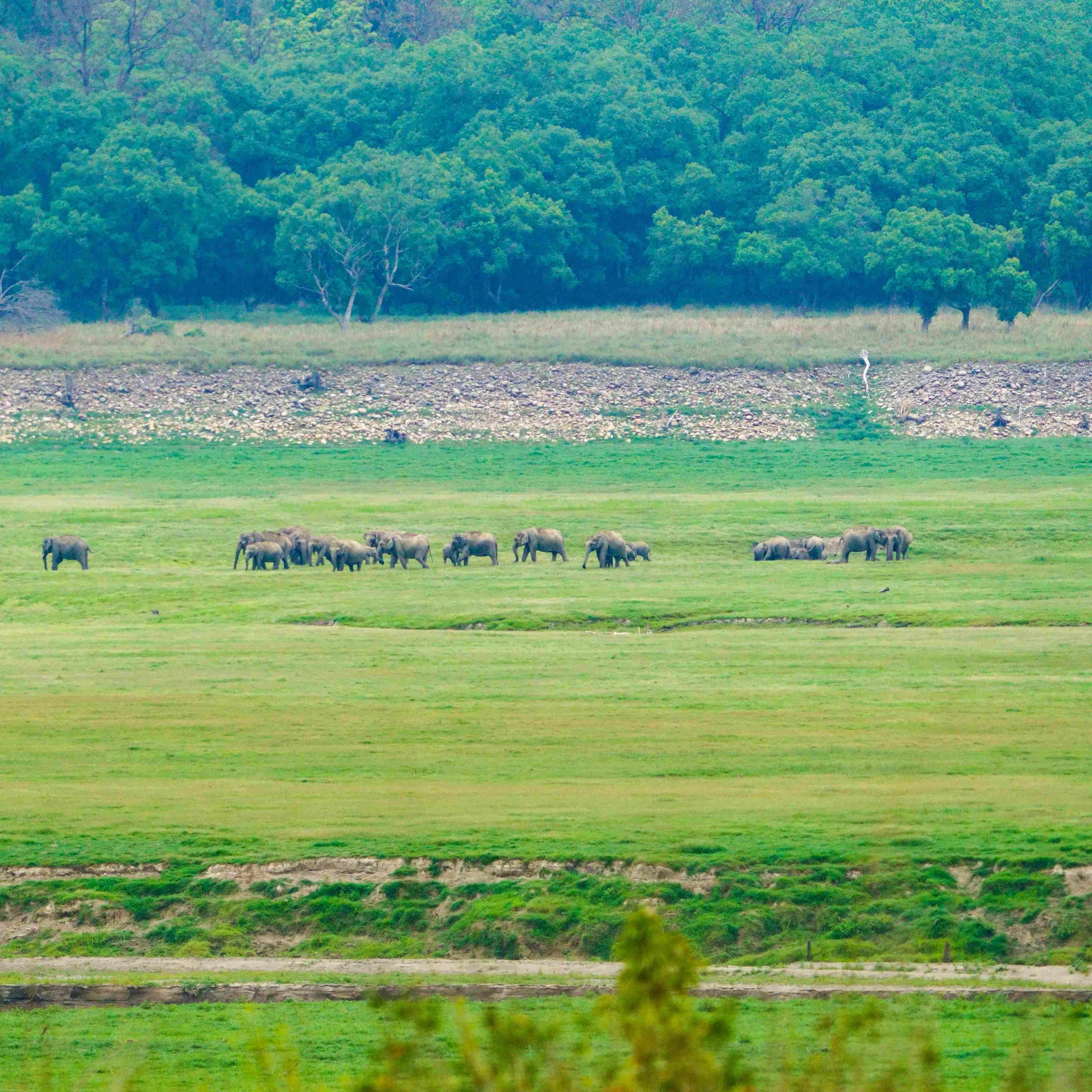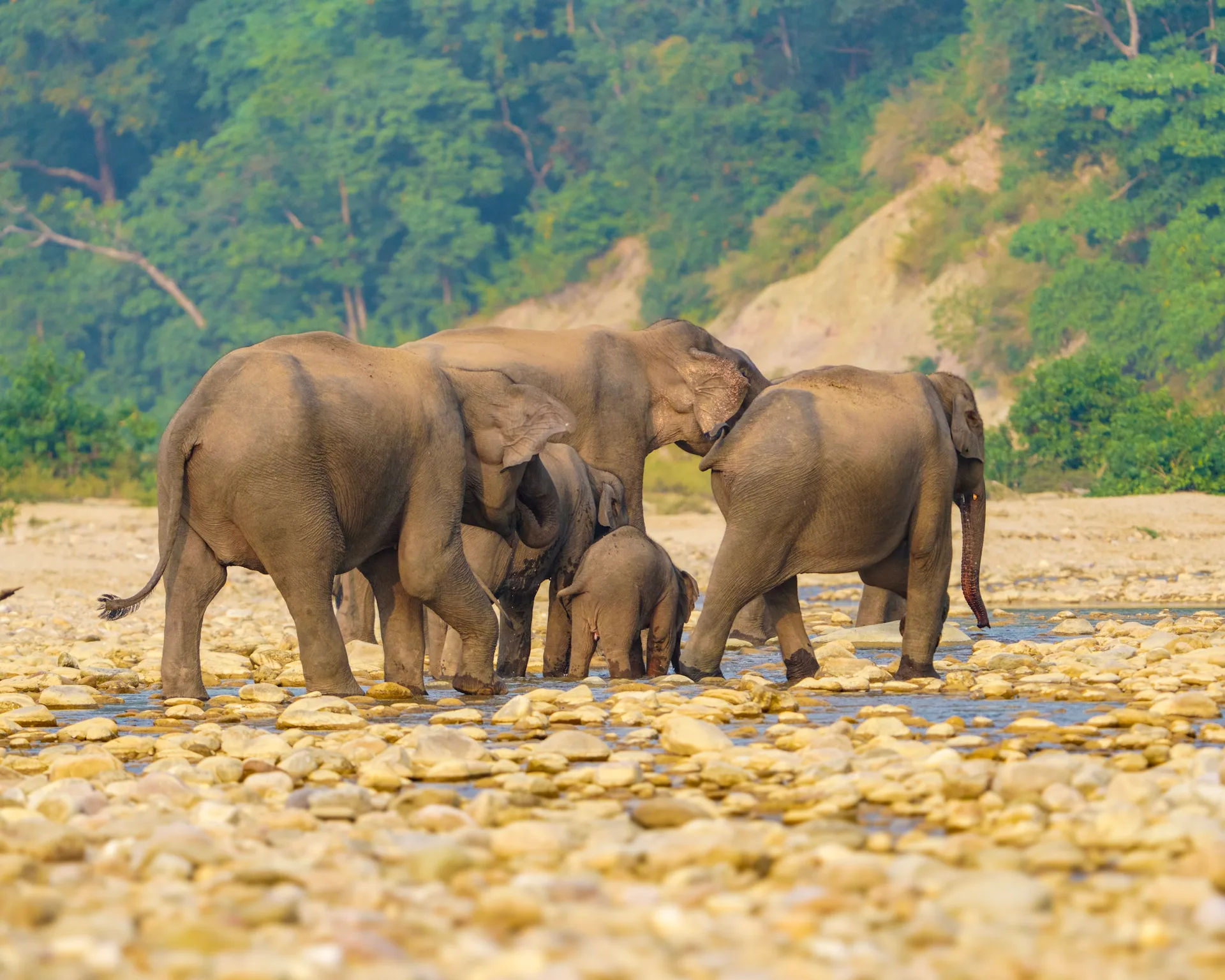
Stepping into a national park or game reserve is a privilege that comes with quiet responsibility. When you enter dense forests like Jim Corbett, cross the open floodplains of Kaziranga, or drive through the rocky ravines of Ranthambore and Panna, you are stepping directly into the home of wild animals. Knowing how to be mindful of wildlife as a tourist helps keep these natural spaces safe for both the animals and the people visiting them.
Simple choices on a game drive make a real difference. Following basic rules like keeping your voice low, wearing muted clothing, and avoiding sudden movements helps protect the wildlife you came to see.
Why Respecting Animal Distance Matters
Giving animals space is the single most important rule on any game drive. Tigers, elephants, and Indian rhinos are wild, unpredictable creatures. When open-top jeeps crowd an animal or cut off its path, it causes stress. A stressed animal might abandon a kill, leave its cubs behind, or react aggressively out of fear.
Professional drivers and naturalists know how to position a vehicle so guests get a clear view without disturbing the animal. Keeping a respectful distance gives the animal room to cross roads, drink at waterholes, or rest without feeling cornered.
Mastering Silent and Quiet Viewing Habits
Wild animals depend heavily on sound and scent to detect danger. Loud talking, ringing phones, or slamming jeep doors disrupt the natural quiet of the jungle. It alerts animals that humans are near, often causing them to melt away into the thick brush before anyone gets a chance to see them.
Keeping your voice to a quiet whisper allows you to hear the subtle alarm calls of the forest—like a deer barking or a monkey chattering high in the canopy. These natural sounds are often the first sign that a predator like a tiger or leopard is nearby.
Camera etiquette is just as important. Turn off camera flashes completely before entering the park gate. A bright, sudden flash can blind or startle an animal, especially in early morning mist or late afternoon light.
Essential Wildlife Viewing Guidelines
Never Feed the Wildlife: Feeding animals breaks their natural foraging habits and makes them associate humans with food. This often leads to human-wildlife conflicts near park borders.
Wear Muted Colors: Bright yellows, pinks, and neon shades stand out against dry grass and green leaves. Stick to khaki, beige, olive green, brown, or dull gray tones to blend in naturally.
Stay Inside Your Vehicle: Never step out of your jeep unless you are at a designated rest stop or official entrance gate. Animals view the safari jeep as a single non-threatening object, but a human standing up or stepping outside breaks that pattern and can trigger defensive reactions.
Pack Out All Trash: Plastics, food wrappers, and water bottles have no place in the jungle. Even small bits of plastic can be accidentally eaten by deer or wild boars, causing harm.
Choosing Ethical Wildlife Experiences
Learning how to be mindful of wildlife as a tourist also means making smart decisions about how you book your travel. Sustainable wildlife tourism relies on registered local guides and naturalists who understand animal behavior and strictly follow park rules.
Supporting eco-conscious safari operations ensures that park entry fees go directly toward habitat conservation, forest guard patrols, and community development projects near tiger reserves. Choosing local guides creates real economic value for nearby villages, giving communities a strong reason to protect wildlife and prevent poaching.
Enjoying an Ethical Journey with 47 Safaris
At 47 Safaris, we build ethical travel practices directly into every trip we plan. Whether you are exploring the river valleys of Panna, tracking Bengal tigers in Ranthambore, scanning the tall grass in Kaziranga, or exploring the dense forests of Jim Corbett, we partner with verified local naturalists and experienced driver teams who put animal safety first.
We organize private jeep permits, select eco-friendly boutique lodges near park gates, and manage all your ground travel arrangements so you can enjoy a smooth, respectful jungle experience. Understanding how to be mindful of wildlife as a tourist allows you to bring home incredible memories while leaving the jungle undisturbed for future generations. Explore our safari packages today to start planning your next trip.