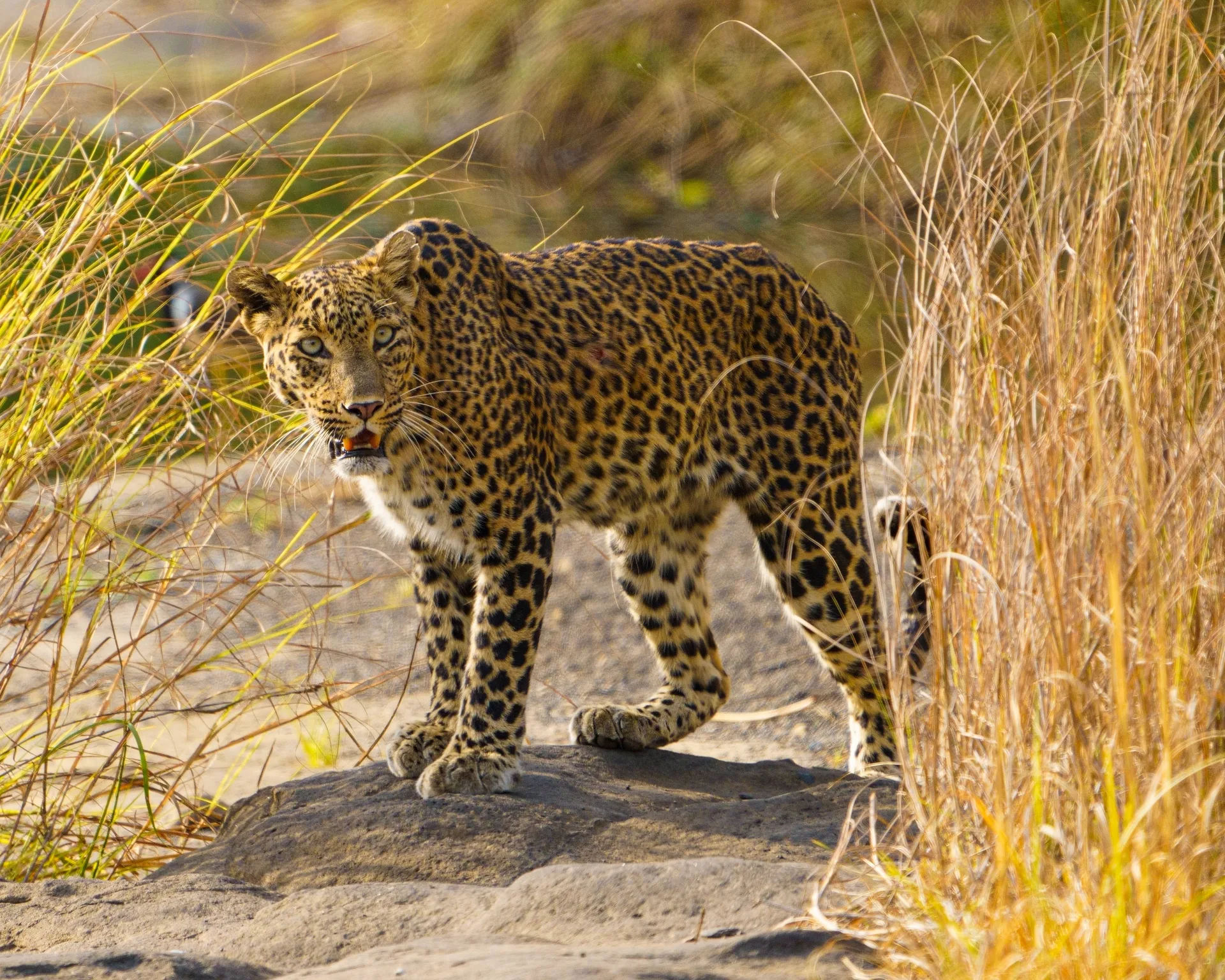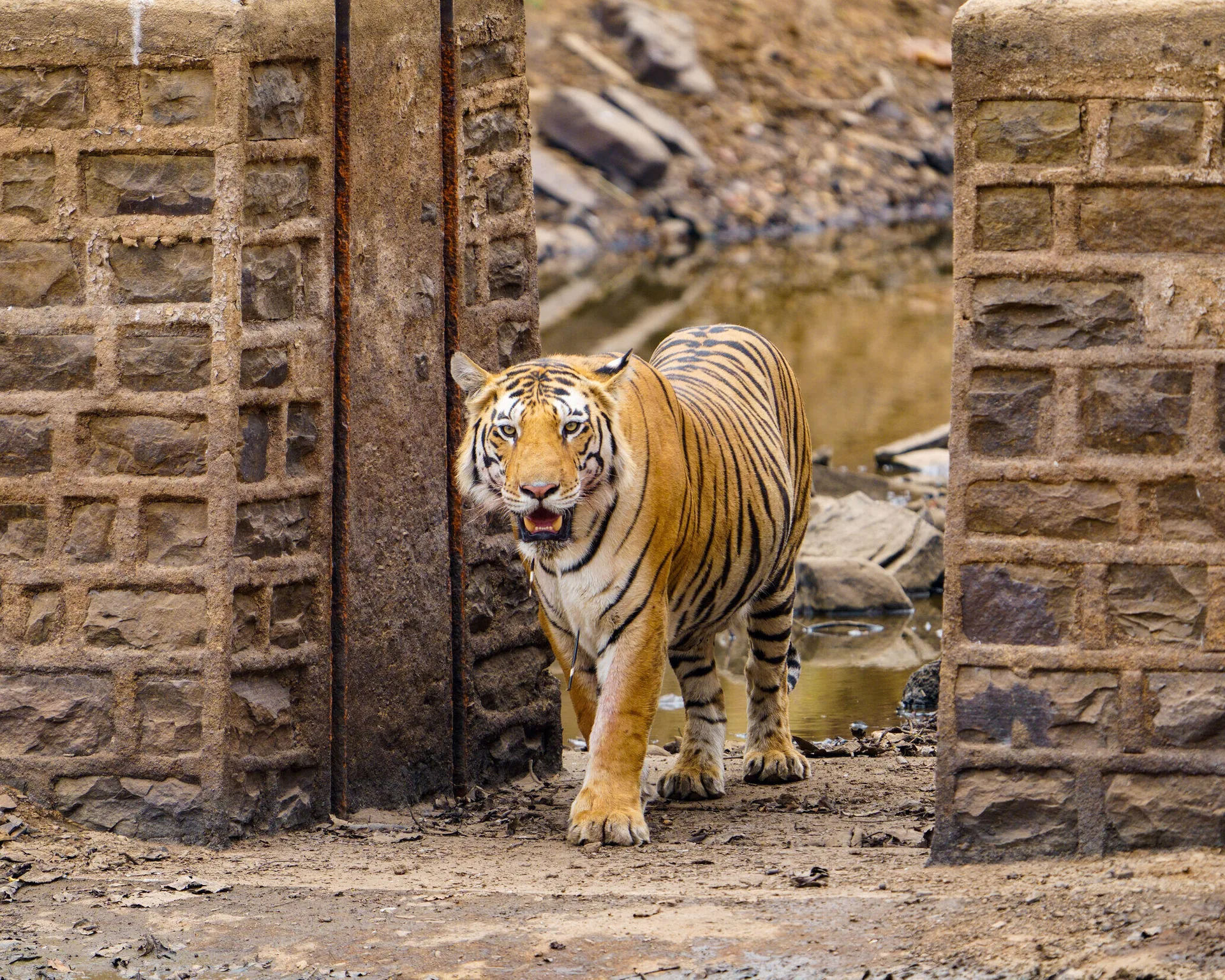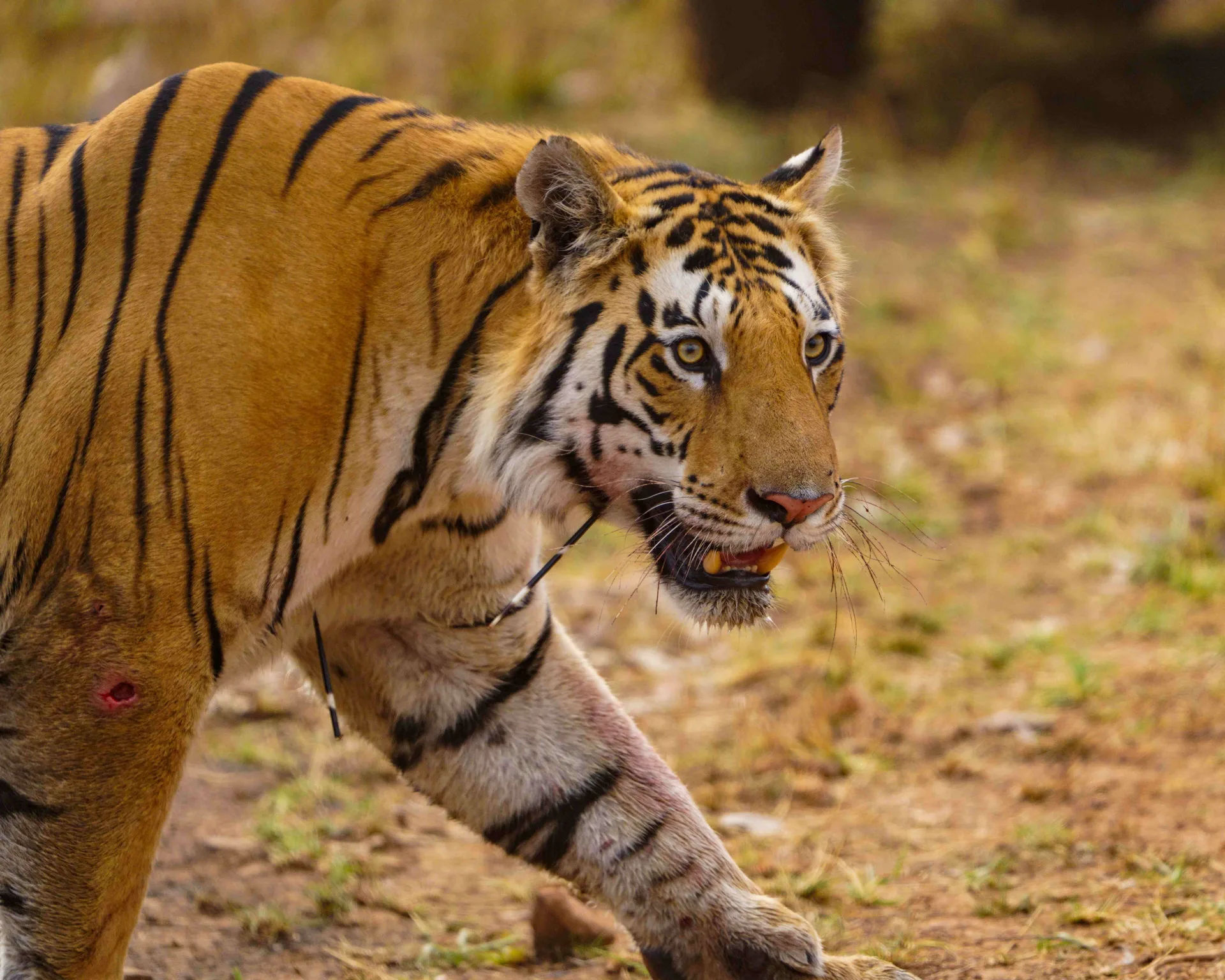
In 2008, a forest officer at Panna Tiger Reserve had to accept a number that no one wanted to say out loud: zero. Not "declining." Not "critical." Zero tigers, in a forest that had held over 40 just five years earlier. What followed is one of the more remarkable comeback stories in Indian wildlife conservation, and the full Panna tiger reintroduction story is worth knowing in more than the headline version most people repeat.
How a Reserve Full of Tigers Ended Up With None
Panna became a national park in 1981 and a tiger reserve in 1994, and through the early 2000s it held a healthy population. The collapse that followed wasn't sudden — it was a slow bleed officials failed to catch in time. Poachers, operating at night and evading forest guards, methodically hunted down the reserve's tigers for their body parts, while tension with the Pardhi community living on the park's fringes compounded the pressure. Pardhi tribes in the area had long treated hunting as a mark of skill and status, and before stricter enforcement took hold, some engaged in killing tigers that strayed into villages and threatened livestock. Between organised poaching and this friction at the forest edge, the population thinned out until, by the end of 2008, only a single male tiger remained. Weeks later, even he vanished.
A Forest Department Under Fire
The news broke publicly and triggered exactly the reaction you'd expect — national criticism, and a state committee that recommended transferring every forest official at Panna out of the reserve entirely. R Sreenivasa Murthy, the newly appointed director, pushed back. His argument was unusual for the circumstances: the officials already on the ground, he said, knew this specific forest and its history better than any replacement team could learn in years. He kept his staff and staked his tenure on rebuilding what had been lost under their watch.
The Tiger Who Tried to Walk Home
In March 2009, the reintroduction plan began with two adult tigresses, translocated from Bandhavgarh and Kanha, in the hope they would breed with the reserve's last known male. Before the transfer was finalised, that male disappeared too, resetting the count to a confirmed zero and stalling the project entirely. The revised plan brought in a third animal — a male transported from Pench National Park, roughly 200 kilometres away. Ten days after release, he vanished from tracking range. His collar signal went dead, and around 70 forest staff, supported by four trained elephants, spent a month combing the terrain for him. Officials later came to a striking conclusion: the tiger appeared to be trying to walk back to Pench, the only forest he'd ever known — one of the few documented cases anywhere of a tiger showing homing behaviour. He was eventually located and confirmed safe.
Winning Over the People Who Lived There
Murthy understood early that a reintroduction plan built purely around animal relocation would fail without local buy-in. The non-profit Last Wilderness Foundation was brought in to work directly with the Pardhi community, negotiating with villagers whose livelihoods had once depended on hunting. Murthy personally appealed to Pardhi elders, by his own account asking them with folded hands to give the tigers a chance. The approach worked — communities that had once hunted tigers began protecting them, and many Pardhi men were retrained as forest guides. A program known locally as "Walk With The Pardhis" grew out of that shift.
From Three Cubs to a Living Population
By April 2010, the first litter arrived. A second followed later that year. By the end of 2010, Panna had gone from an official zero to eight cubs plus three founding adults in under two years. Setbacks continued — several females died between 2011 and 2013 — and the team kept introducing individuals from Kanha and Pench to broaden the genetic base. The persistence paid off. Today, Panna is home to more than 80 tigers, a recovery researchers rank among the strongest documented tiger reintroductions anywhere in the world.
Seeing the Result of This Story in Person
Every tiger you see on a safari through Panna's core zones today exists because of this exact chain of decisions — a director who refused to abandon his staff, a foundation that worked with people instead of around them, and years of patient effort. At 47 Safaris, our naturalists know this history well enough to explain it properly on the ground, not just point at a tiger and move on. Every safari runs privately, with permits, zones and hotels arranged before you arrive — the same way the Panna tiger reintroduction story was rebuilt: one deliberate decision at a time.
Enquire with us if you'd like your Panna trip to include the full context behind what you're looking at — a population that, less than two decades ago, didn't exist at all.