A fair number of first-time visitors arrive at Corbett assuming it works like a zoo with a bigger fence — drive up, buy a ticket, head in. It doesn't, and a few of the rules here catch people out if nobody's mentioned them beforehand. Here are the practical things to know before visiting Jim Corbett National Park that most general travel guides skip over.
You Need a Permit, and It's Tied to Specific People
Every visitor needs a permit issued by the Forest Department before entering any zone, and permits list the exact names and ID numbers of everyone in the group. They're non-transferable — if someone in your party changes at the last minute, the permit doesn't automatically cover the substitute, and there's no simple workaround for this at the gate itself.
Not All Zones Work the Same Way
Dhikala only allows entry if you're staying overnight in one of its forest rest houses — you can't do a day trip there. Bijrani and the outer zones don't have this restriction. If your plan assumed you could simply drive into whichever zone looked best that morning, it's worth checking this in advance rather than at the gate.
Bring Physical or Digital ID, No Exceptions
Indian nationals need an Aadhaar card or equivalent photo ID; foreign visitors need a passport. This applies to children too, and gate staff do check names against the permit list. Forgetting ID at the hotel is a genuinely common reason people miss their booked safari slot entirely, and there's rarely time to go back and retrieve it before the shift starts.
Dress for Temperature Swings, Not Just the Season
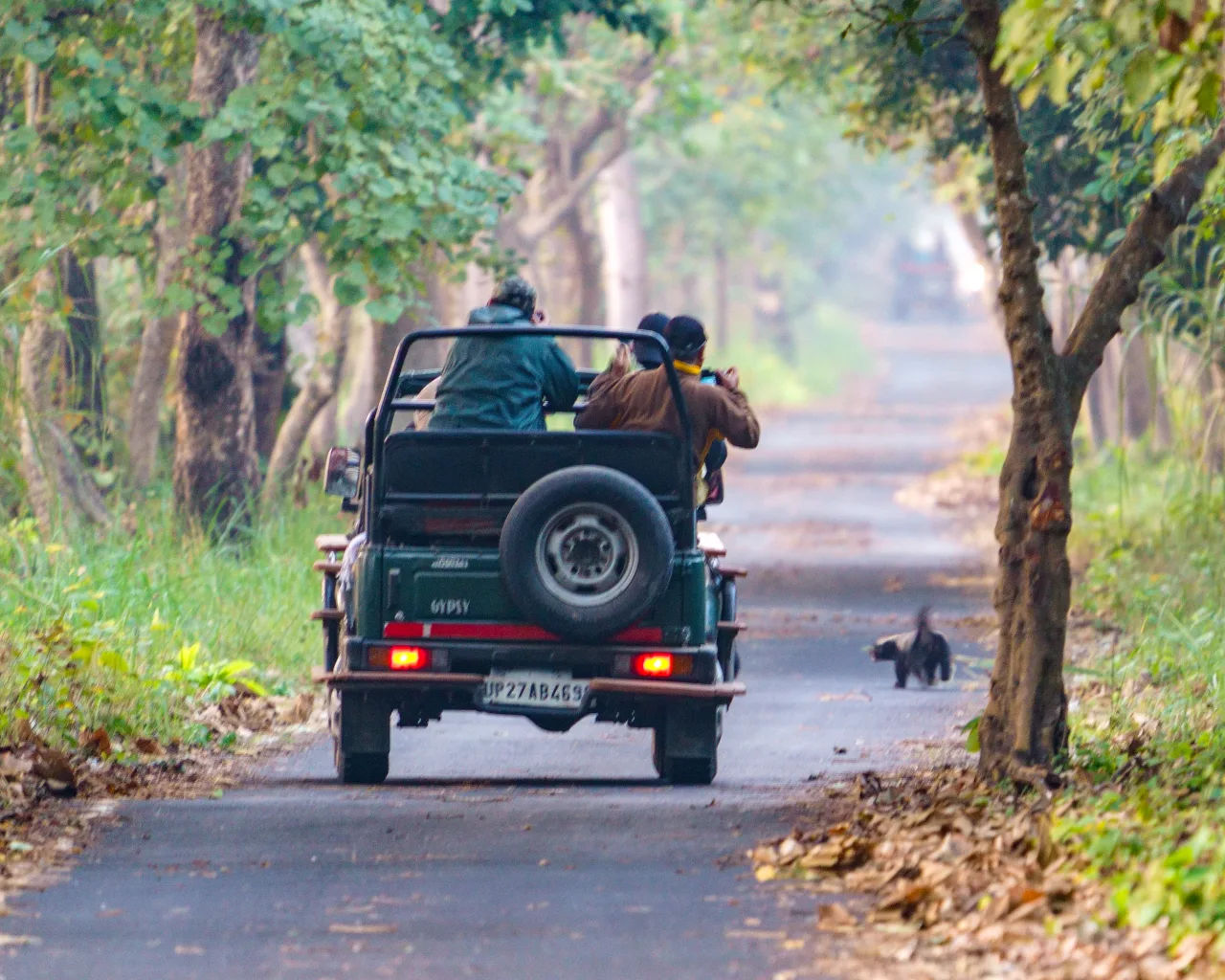
Even in the warmer months, early morning safaris in an open jeep are noticeably colder than the daytime forecast suggests, especially near the river. Layers work better than a single heavy jacket, since afternoon safaris in the same season can be uncomfortably warm by comparison.
Photography Rules Are Stricter Than Most Visitors Expect
Drones, mobile phones and tablets are banned throughout the park. If serious wildlife photography is the point of your trip, it's worth bringing a telephoto lens, extra batteries and a pair of binoculars.
What else to bring for a Corbett Safari
It’s worth carrying some cash for tips and small purchases near the gates — card and UPI acceptance has improved in recent years but still isn't universal outside the main hotels. Carry drinking water as filtered or bottled water is not available once you’re inside the Park on safari. If you’re allergic to dust - carry a face buff or a mask, sunscreen and hats / caps.
The Forest Won't Perform on Schedule
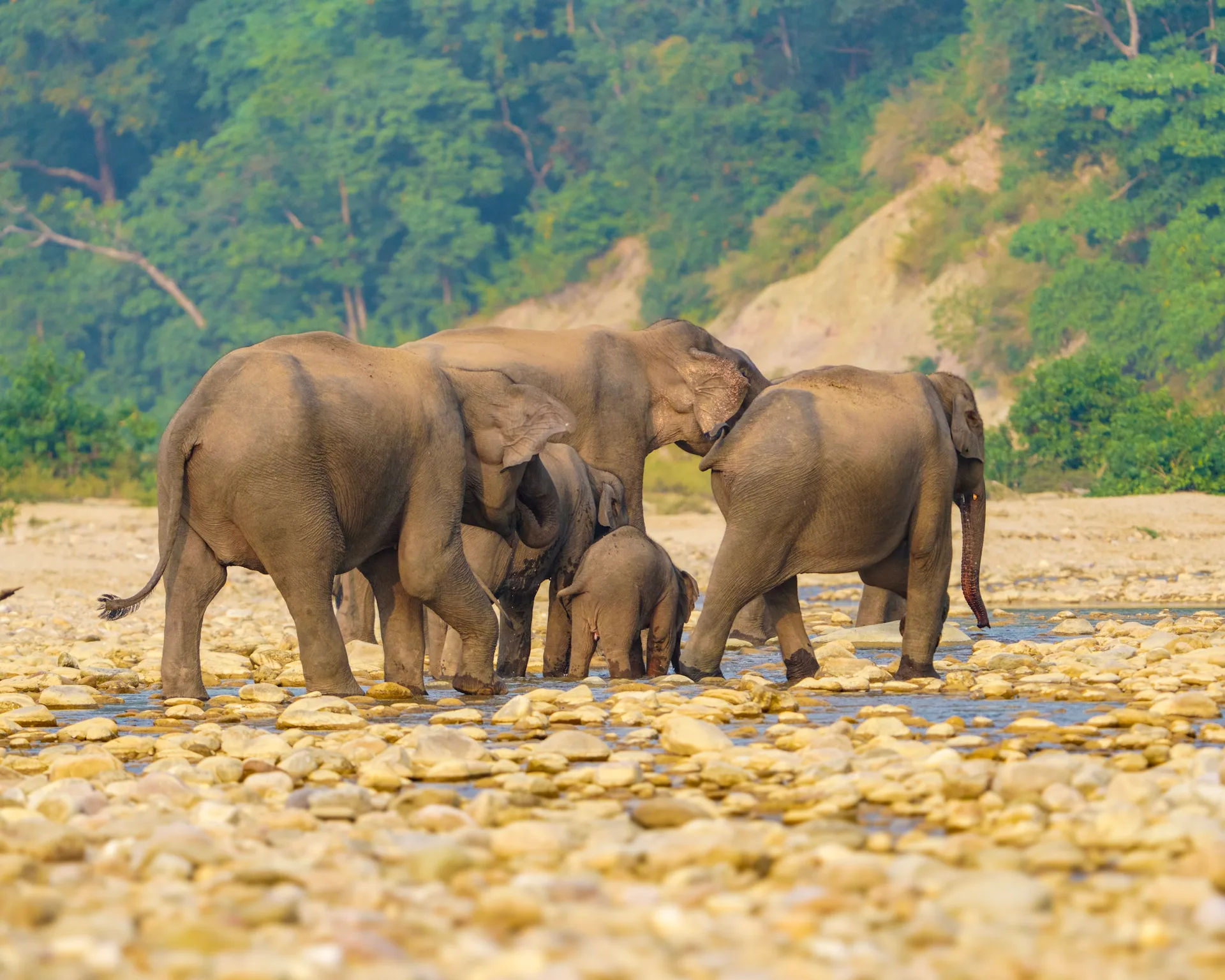
Tigers routinely cover 10 to 20 kilometres a night, and their stripes exist specifically to help them disappear into dappled light. A safari with no tiger sighting isn't a failed safari — it's simply how a genuinely wild, unfenced forest behaves. Visitors who arrive expecting a guaranteed sighting tend to leave disappointed regardless of how well the trip was actually run, which is worth setting expectations around before you go rather than after.
Getting the Details Right Without Doing It Yourself
None of these things to know before visiting Jim Corbett National Park are complicated once you're aware of them, but it's a lot to track alongside everything else involved in planning a trip. At 47 Safaris, we handle the permit paperwork, ID submission, zone selection and packing guidance as part of every booking, and every safari runs in a private jeep with an English-speaking naturalist who knows exactly which of these rules actually matter on any given day.
If you'd rather arrive already knowing what to expect instead of learning it at the gate, get in touch and we'll walk you through everything before you land in Uttarakhand.