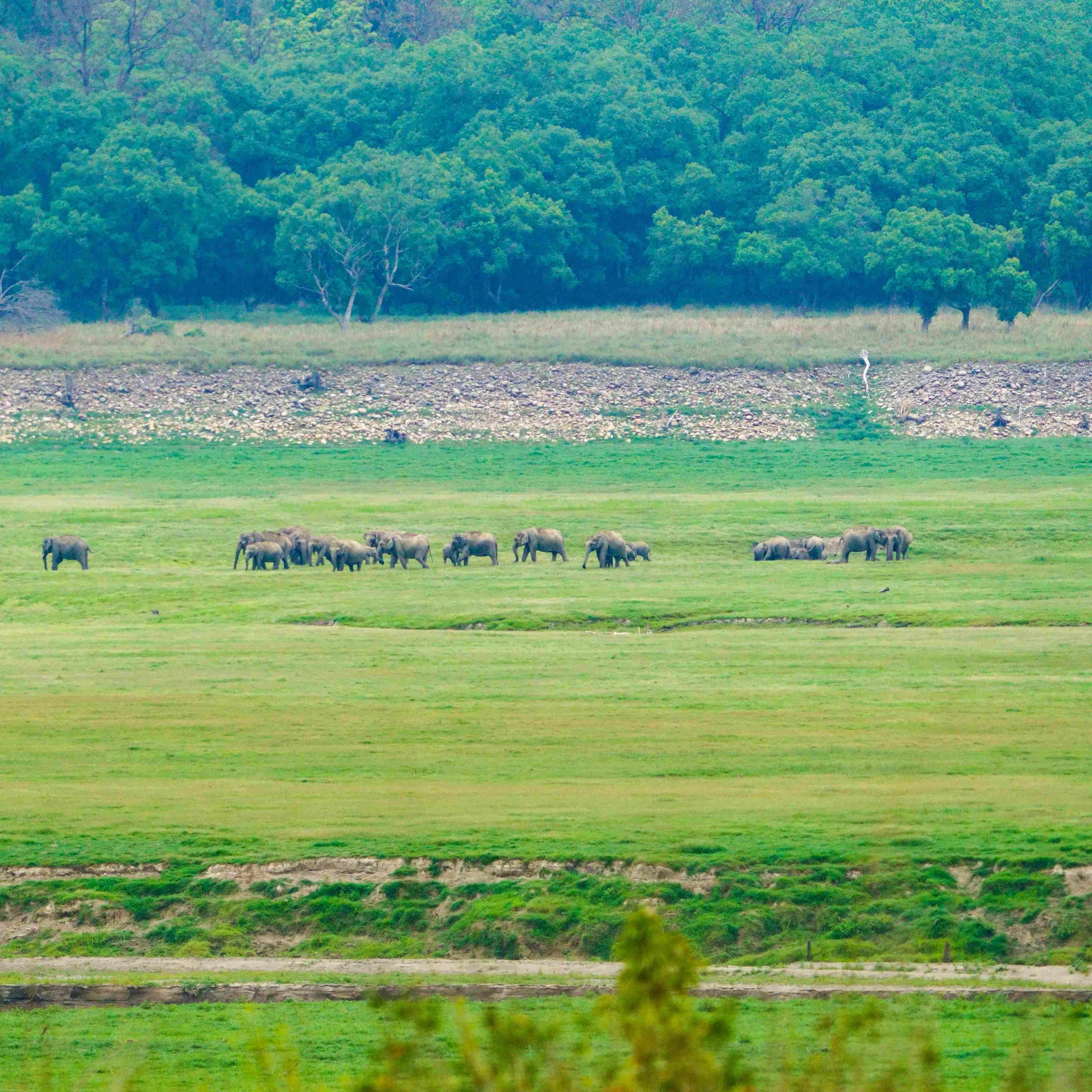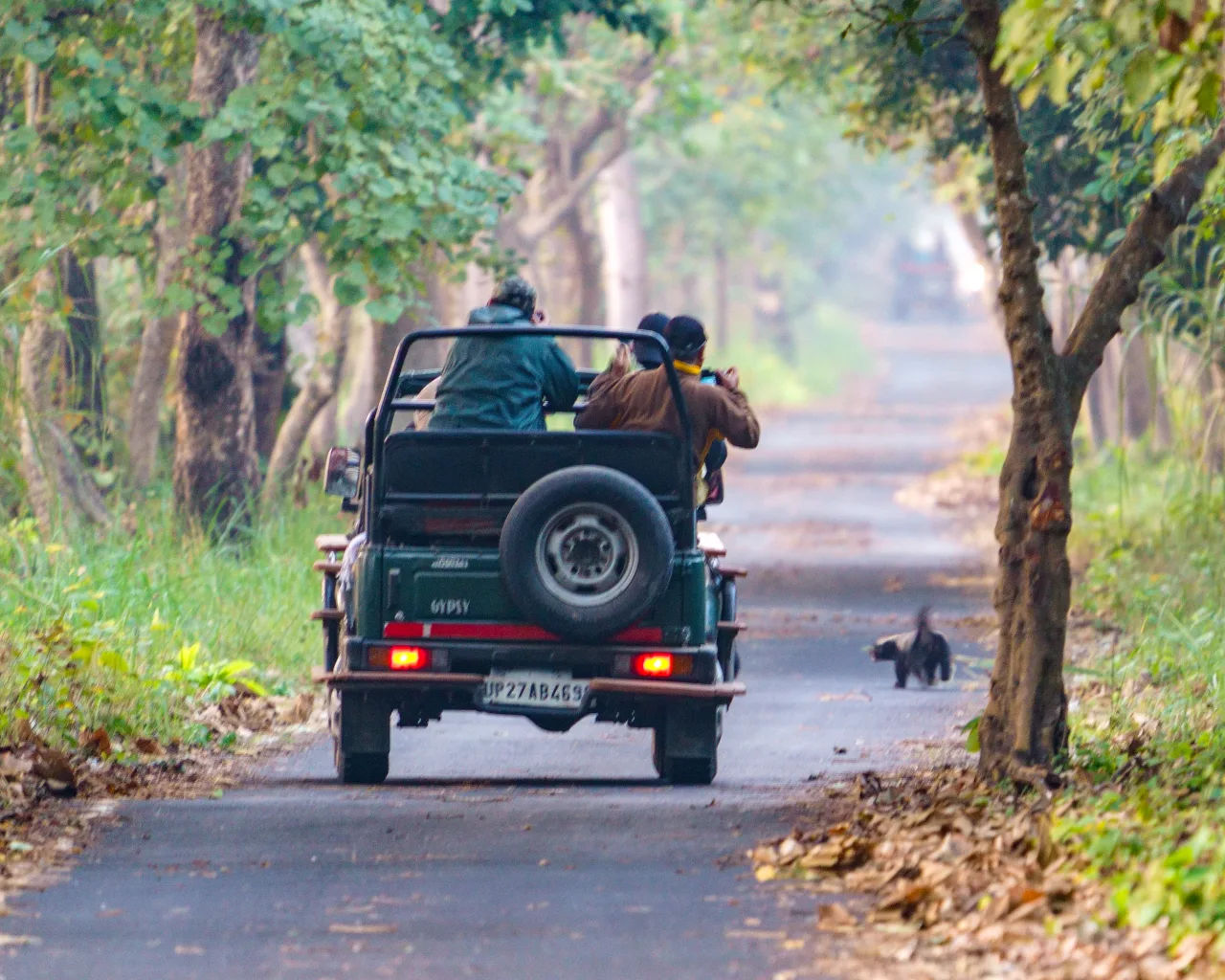
A national park safari isn't a theme park ride with a guaranteed outcome, and it isn't a zoo with a fence between you and the animal either. It's a genuinely wild space that happens to allow visitors in under specific rules, and most of the safari tips for first timers that actually matter come down to understanding that distinction before you ever climb into a jeep.
1. Do Book Well Ahead of Your Travel Dates
India's national parks cap the number of jeeps allowed into each zone per shift, and permits are issued by the Forest Department, not sold at the gate on arrival. Popular zones at parks like Ranthambore and Corbett can sell out weeks or months in advance during peak season. Assuming you can simply turn up and book a safari the same day is one of the most common mistakes first-timers make.
2. Don't Wear Bright Colours
Neutral tones — khaki, olive, beige, muted greens — help you blend into the surroundings and avoid startling wildlife that's naturally cautious of anything unusual moving near it. Bright colours, white, or anything reflective stand out sharply against dry grass and forest cover, and some parks explicitly discourage them for exactly this reason.
3. Do Carry Valid ID at All Times
Every visitor's permit is tied to specific identification — a passport for foreign nationals, an Aadhaar card or equivalent for Indian nationals. Gate staff check names against the permit list before allowing entry, and forgetting ID back at the hotel is a surprisingly common reason people miss a safari slot they've already paid for.
4. Don't Expect a Guaranteed Tiger Sighting
Even in India's best reserves, a tiger can cover 10 to 20 kilometres in a single night, and its stripes exist specifically to help it disappear into broken light and cover. A safari without a tiger sighting isn't a failed safari — it's an accurate reflection of how a genuinely wild, unfenced landscape behaves. Visitors who arrive expecting a guaranteed sighting tend to be the ones most disappointed, regardless of how well the safari itself was run.
5. Do Listen to Your Naturalist Without Exception
Your guide reads alarm calls, tracks, and subtle signs most visitors miss entirely, and their instructions — when to stay quiet, when it's safe to stand up for a photo, when to leave a sighting alone — exist for both your safety and the animal's wellbeing. Ignoring a naturalist's direction is one of the fastest ways to turn a good sighting into a dangerous one.
6. Don't Raise Your Voice or Play Music
Sound travels much further in a forest than most people expect, and loud conversation, phone speakers, or excited shouting at a sighting can push wildlife away before other jeeps even get a chance to see it. Quiet, patient observation consistently produces better sightings than noise and movement ever will.
7. Do Pack for Temperature Swings, Not Just the Season
Early morning safaris in an open jeep are noticeably colder than the daytime forecast suggests, even in the warmer months, particularly near rivers and lakes. Layers work better than a single heavy jacket, since the same safari can shift from cold to uncomfortably warm within a couple of hours as the sun climbs.
8. Don't Feed or Attempt to Attract Animals
Feeding wildlife, even seemingly harmless species like deer or monkeys, disrupts natural foraging behaviour and can create dangerous dependency on human contact over time. It's banned in every national park in India for good reason, and naturalists take this rule seriously even when a guest thinks a small gesture is harmless.
9. Do Check Photography and Device Rules Before You Travel
Rules around drones, mobile phones and certain camera equipment have tightened significantly across Indian tiger reserves in recent years, including a nationwide restriction on mobile phone use during safaris introduced in late 2025. Confirming what's actually permitted before you pack, rather than finding out from a forest guard on your first morning, saves both frustration and the risk of confiscated equipment.
10. Don't Assume Every Park Works the Same Way
Zone systems, permit rules, vehicle types and seasonal closures differ meaningfully from one park to the next. What's true at Ranthambore about zone allocation may not apply at all at Kaziranga or Corbett. Treating your research for one park as universal advice for all of them is one of the more avoidable mistakes a first-time traveller can make.
Why Getting This Right Matters More Than It Seems
None of these safari tips for first timers are complicated in isolation, but missing even one or two of them can turn a once-in-a-lifetime trip into a frustrating one — a missed permit, a disturbed sighting, a jeep turned back at the gate over ID. The visitors who get the most out of their first safari are almost always the ones who arrived already knowing what to expect, not the ones improvising on the morning of.
Getting All of This Handled for You
At 47 Safaris, every one of these details is built into how we plan a trip, not left for you to figure out on arrival. Permits, ID submission, zone selection and packing guidance are all handled before you land, and every safari runs in a private jeep with an English-speaking naturalist who applies these rules naturally, without you needing to memorise a checklist.
These safari tips for first timers cover the basics — if you'd rather arrive at your first safari already knowing what to expect, get in touch and we'll walk you through everything before you go.