Ask three different naturalists when the best time to visit Jim Corbett National Park is and you might get three different answers, and all of them could be right — it depends entirely on what you're prioritising. Rather than one recommendation, here's the trip broken down by what you actually want out of it.
If You Want the Best Odds of Seeing a Tiger
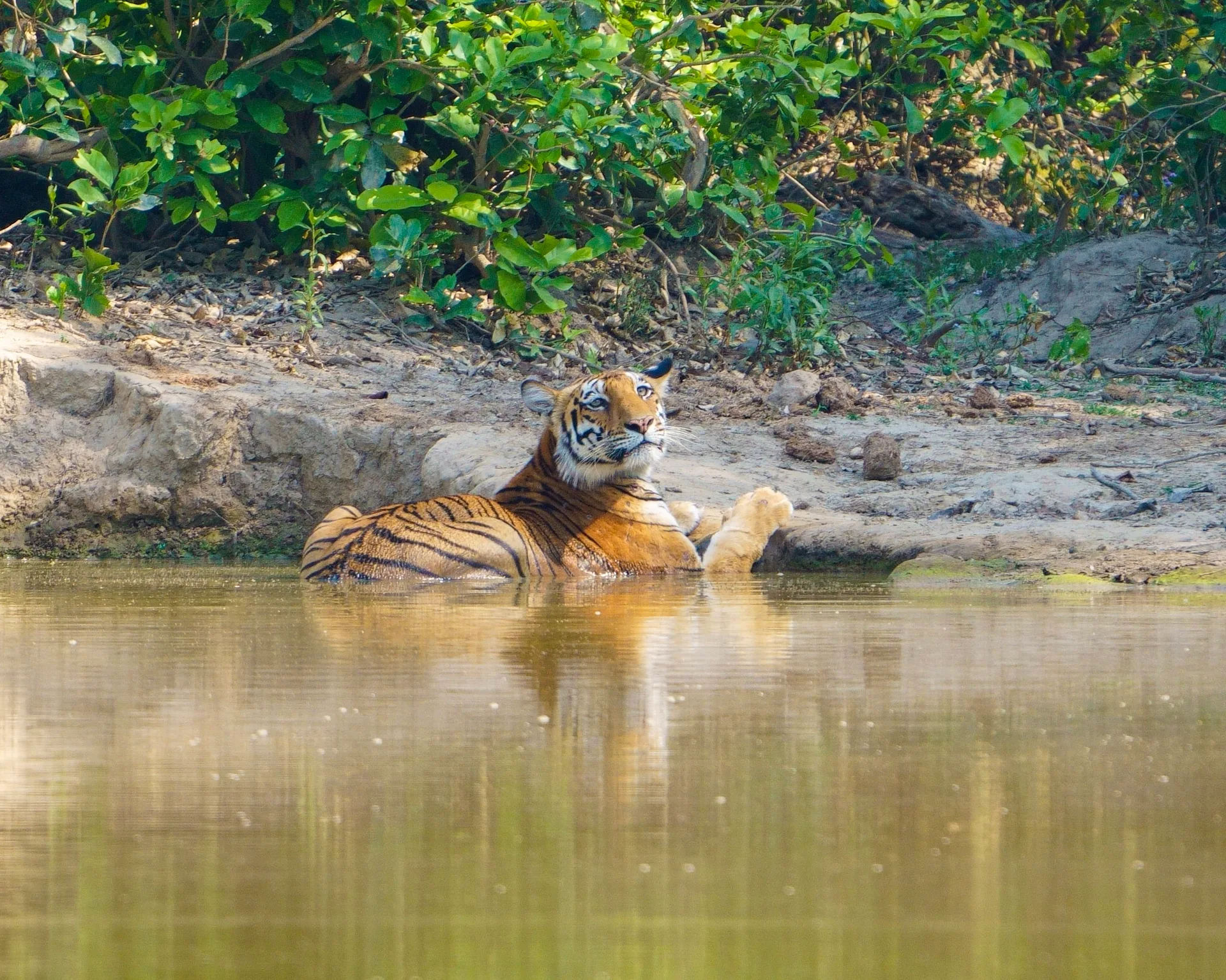
April through mid-June is when tiger sightings are most consistent. Temperatures climb well into the high 30s and beyond, which pushes tigers toward the Ramganga and the remaining waterholes to cool off and drink — the same behaviour that concentrates prey species nearby. It's hot, occasionally uncomfortably so on an open jeep, but this is the stretch experienced photographers tend to book deliberately, often accepting the discomfort as a fair trade for the odds.
If You Want Comfortable Weather Over Everything Else
November through February brings Corbett's mildest conditions — cool mornings, pleasant afternoons, and clear skies more often than not. Sightings are still solid during this window, just less concentrated than the peak summer heat produces, since water isn't yet scarce enough to funnel wildlife into predictable spots. Families and first-time visitors often gravitate toward this stretch for exactly that reason.
If You Want to Avoid the Crowds
With the park's close proximity to Delhi NCR, weekends are generally very busy, and more so on long weekends and public holidays. Plan your visit on weekdays if you can, for a quieter and more immersive Corbett safari experience.
The Months That Aren't an Option at All
Dhikala and Bijrani close for the monsoon between mid-June to mid-November. Dhela and Jhirna, the two zones built to stay open year-round, remain accessible through this period, so a monsoon-season Corbett trip isn't impossible — it's just a genuinely different, more limited experience than visiting when all four zones are open.
If Photography Is the Actual Goal
Light quality shifts across the season in ways that matter more to photographers than to casual visitors. Winter mornings often carry mist off the Ramganga that softens the light and adds atmosphere to early shots, though it can delay clear visibility for the first half hour of a safari. The dry, dusty air from March onwards tends to produce warmer, harder light through most of the day, which some photographers prefer for contrast and others find less forgiving than winter's softer conditions. Neither is objectively better — it depends on the kind of images you're after.
Weighing the Trade-Off Honestly
There isn't a version of this where you get peak comfort, peak sightings and zero crowds all in the same trip — something has to give. What matters is deciding in advance which of the three you actually care about most, rather than picking dates first and hoping the trip matches whatever you were hoping for. Most repeat visitors, once they've experienced a couple of different seasons here, end up with a strong personal preference that has little to do with what any generic guide recommends.
This is precisely the kind of trade-off conversation we have with every guest before booking. At 47 Safaris, we ask what you're actually optimising for — sightings, comfort, or quiet — and build the itinerary and zone selection around that answer, rather than defaulting to whichever month sounds best on a generic list. Every safari runs in a private jeep with an experienced, English-speaking naturalist, and permits are handled well before you arrive.
Get in touch and tell us what you're hoping to get out of the trip — figuring out the best time to visit Jim Corbett National Park for you personally is where we start, not a generic date range.