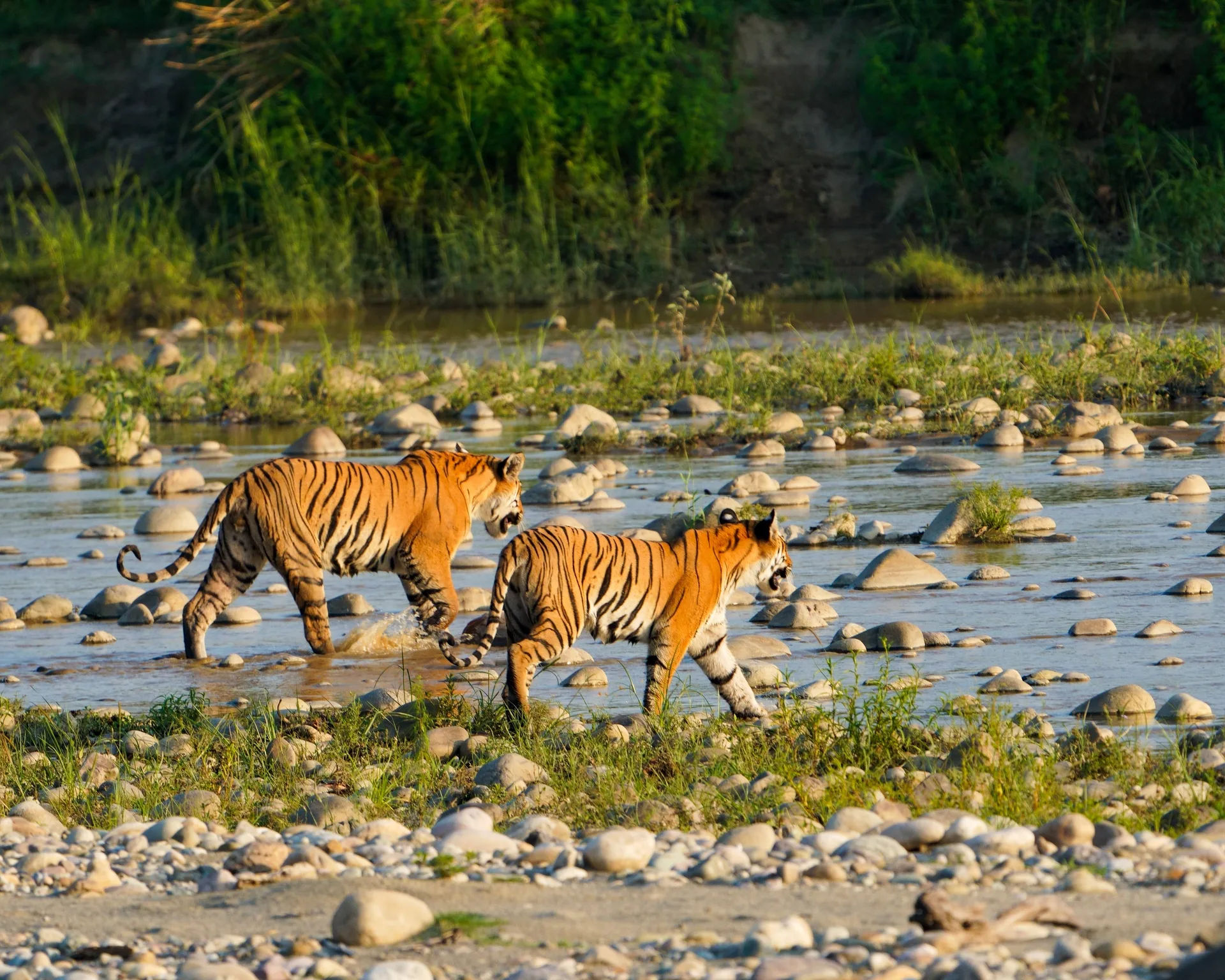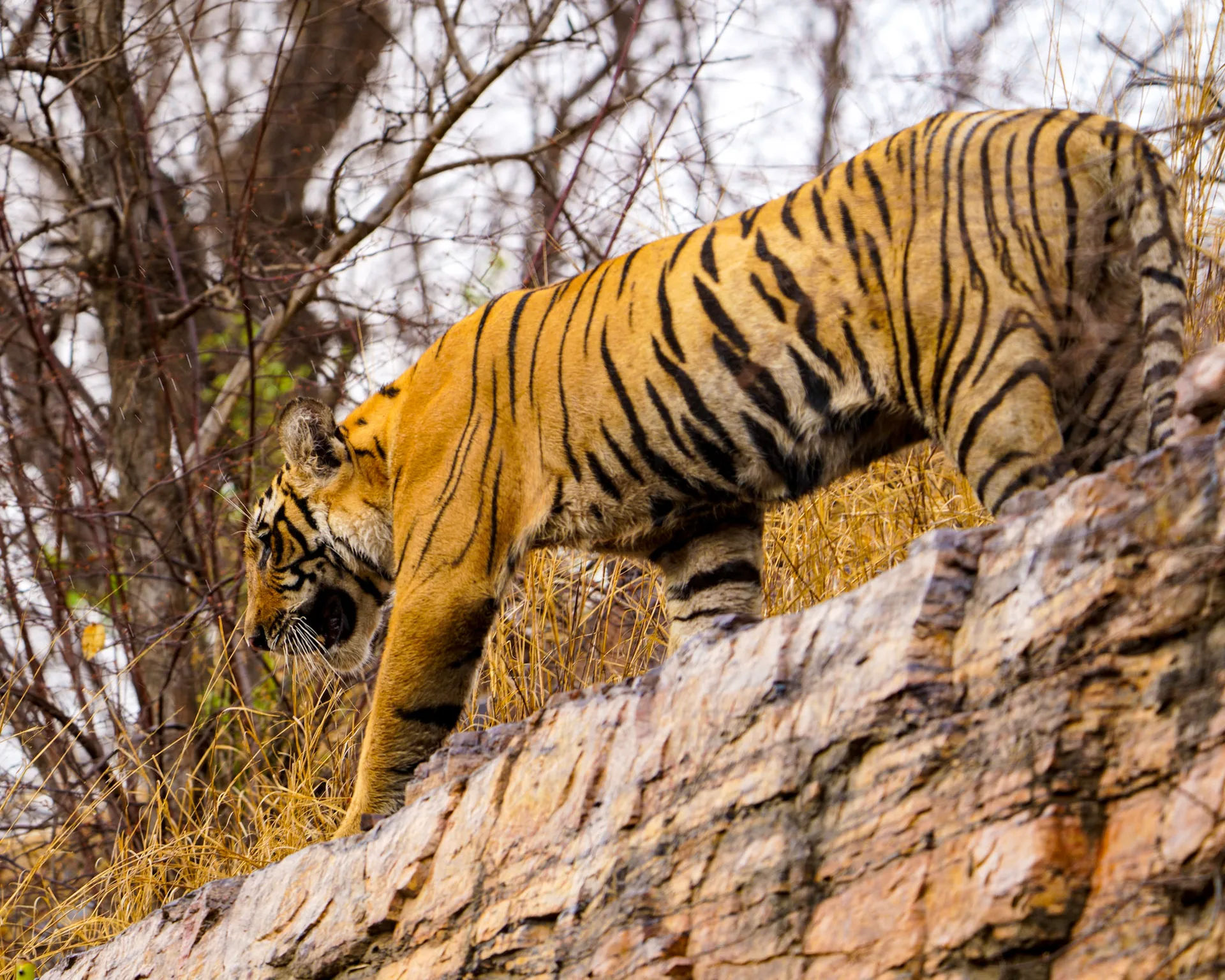
Officially she was T-16. To photographers she was the most photographed tiger ever documented. To Rajasthan she was simply royalty — the Queen of Ranthambore. Machali Ranthambore tigress T-16, who ruled the park's lakeside zones for more than a decade, remains the closest thing wild tiger conservation has to a household name, and her story is worth telling properly rather than as a caption under a famous photograph.
A Cub Who Was Never Nervous
Machali was born in 1997, one of three cubs of a dominant tigress guides had already nicknamed Machali for a fish-shaped mark on her face — machli means fish in Hindi. Even as a cub, she showed an unusual calm around safari vehicles, unbothered by the jeeps and cameras that made other young tigers bolt for cover. That comfort with people would later make her the most filmed wild tiger in history.
Taking the Best Territory in the Park — From Her Own Mother
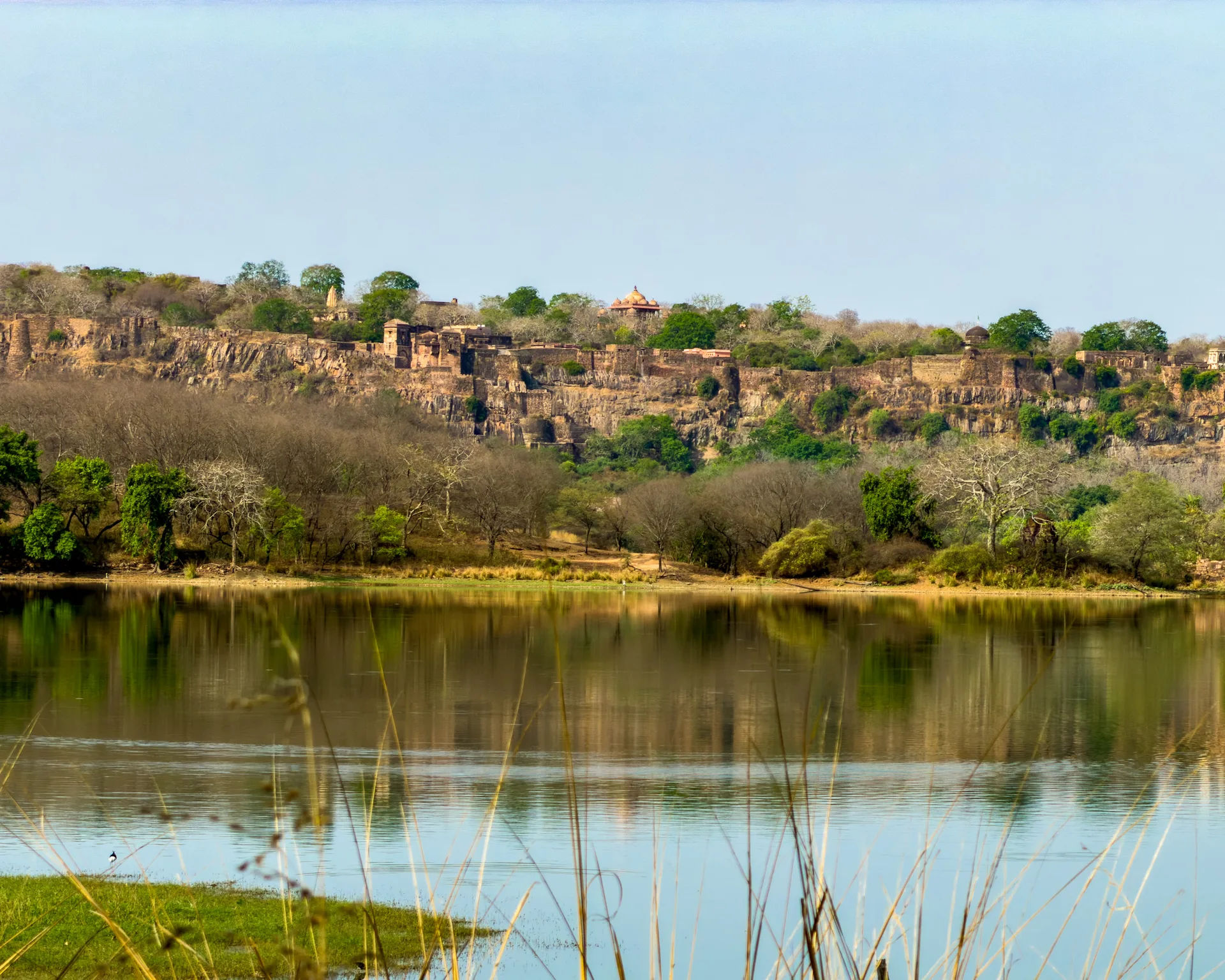
Most young tigresses settle for whatever range is left once they leave their mother. Machali took the centre. By around four years old, she held the richest territory in Ranthambore — the shores of Padam Talao and Rajbagh Lake, thick with prey and never short of water — and she took it directly from her own mother. Holding that ground meant constant conflict with rivals, and she held it for more than ten years.
The Fight That Made Her Famous
In 2003, at the edge of a shrinking summer lake, Machali fought and killed a mugger crocodile estimated at around fourteen feet — a kill almost never documented in wild tigers. The fight ran close to an hour in shallow water, photographers watching an animal built for speed take on one built for crushing bone. She won, but the fight cost her two canine teeth, leaving her to hunt with raw jaw strength alone for the rest of her life. Remarkably, both her granddaughter Arrowhead and great-granddaughter Riddhi have since been recorded killing crocodiles in the same lakes — the same impossible hunt, three generations running.
A Bloodline That Still Rules the Park
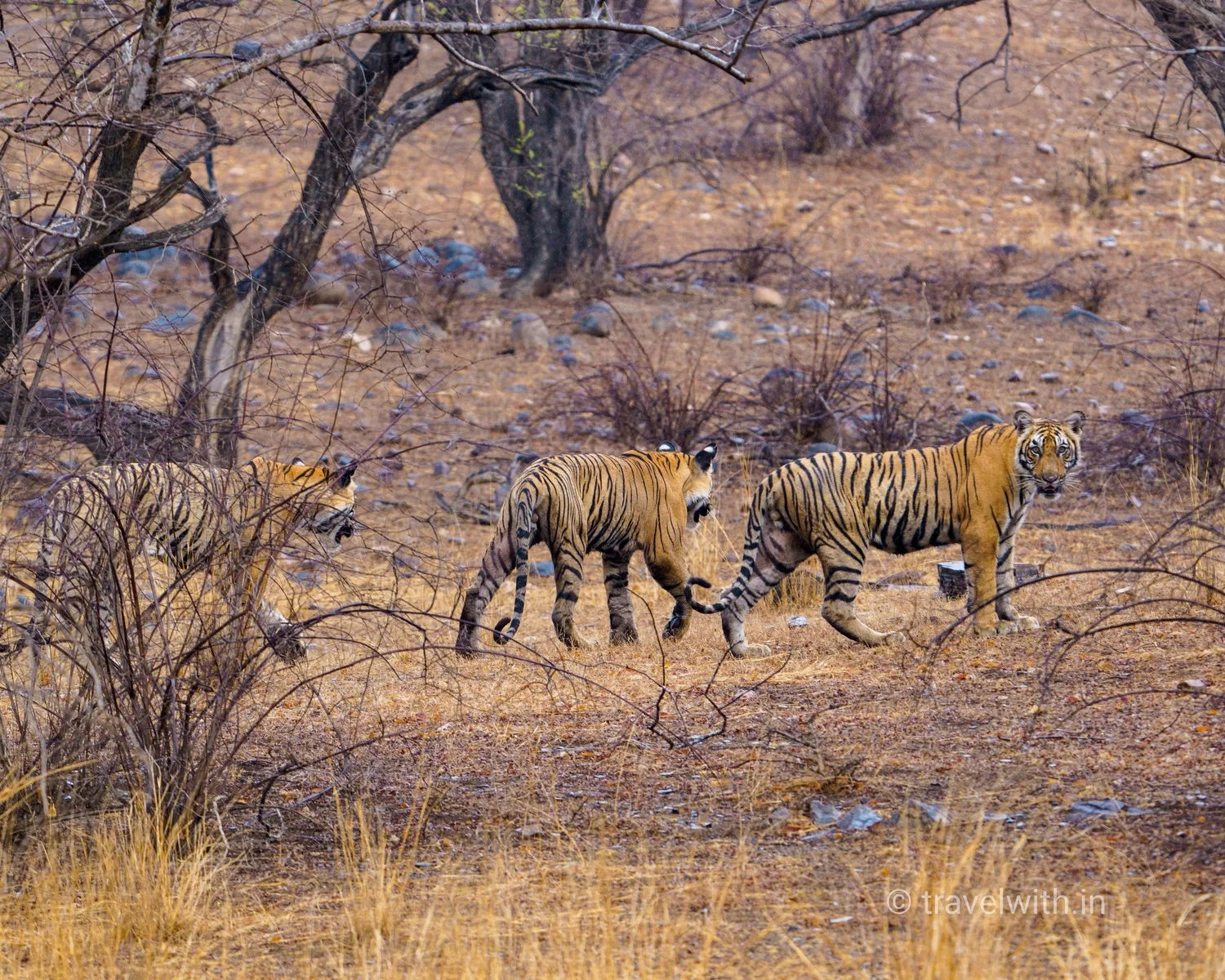
Between 1999 and 2006, Machali raised five litters totalling eleven cubs, an extraordinary survival record for a wild tigress. Her offspring include Broken Tail, whose solo journey out of the park inspired a BBC documentary, and Krishna, who inherited the lakeside territory and carried the dynasty forward. In 2008, two tigresses of her bloodline were relocated to Sariska Tiger Reserve, which had lost every tiger to poaching — making Machali the genetic foundation of an entire recovered population. Today, over half the tigers in Ranthambore descend from her.
The World Came to Photograph Her
Because she tolerated vehicles so completely, Machali was documented more thoroughly than any wild tiger before her. The BBC filmed her for a Natural World episode, National Geographic and Animal Planet produced their own features, and at the height of her fame she was estimated to draw roughly 10 million dollars a year in tourism revenue to the region around Sawai Madhopur. In 2009, Travel Operators For Tigers gave her a Lifetime Achievement Award — a first for an individual wild animal — and in 2013 the Indian government issued a commemorative postal cover in her honour.
A Queen's Final Years, and an Unprecedented Farewell
By 2012, Machali had lost her prime territory, pushed out by her own daughter in the unsentimental way of tiger society. She spent her final years on the periphery, half-blind and unable to make a clean kill with her damaged jaw. Forest staff, unwilling to watch the park's icon starve, began leaving food near her resting places — an intervention almost never extended to a wild animal. She died on 18 August 2016, at an estimated nineteen years old, well past a wild tiger's typical lifespan. The Forest Department cremated her with traditional Hindu rituals in a public ceremony, an honour no wild animal in India had received before.
Meeting Her Descendants Today
A tiger photographed at Padam Talao today is, more often than not, one of Machali's descendants standing in the territory she once fought to keep. At 47 Safaris, our naturalists know the Machali Ranthambore tigress lineage well enough to point out exactly which family line you're watching, not just that a tiger has appeared. Every safari runs in a private jeep, with zone selection and permits handled before you arrive.
Enquire with us if you'd like a Ranthambore safari built around the legacy of Machali Ranthambore tigress, not just a sighting of whichever tiger happens to appear.