India has more national parks and tiger reserves than most travellers realise, and narrowing that list down to a genuinely useful set of recommendations means being honest about what each park actually delivers, not just repeating a generic "top 10" format. These are seven of the best wildlife safaris in India worth genuinely prioritising, based on what each destination is actually known for.
1. Ranthambore National Park, Rajasthan
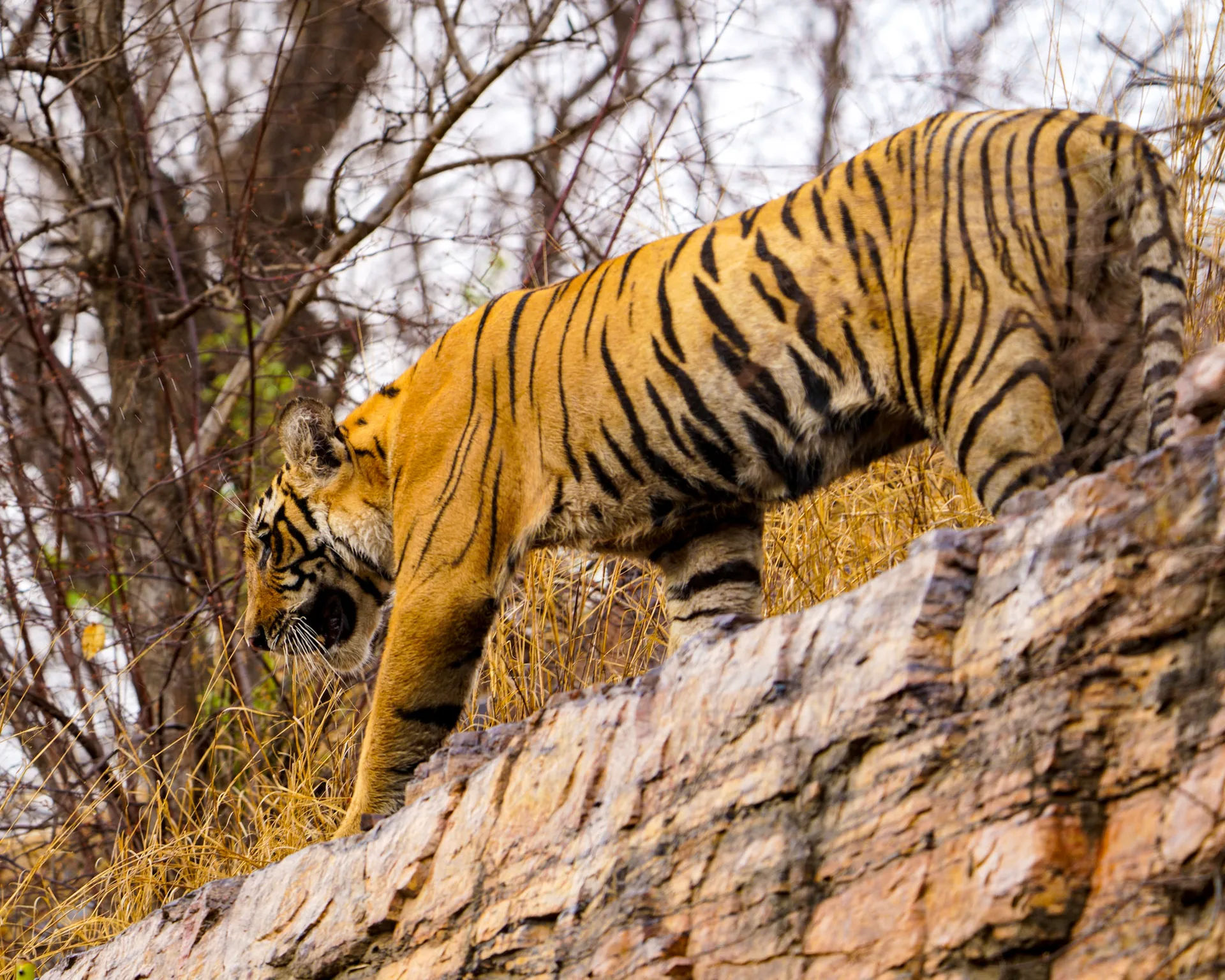
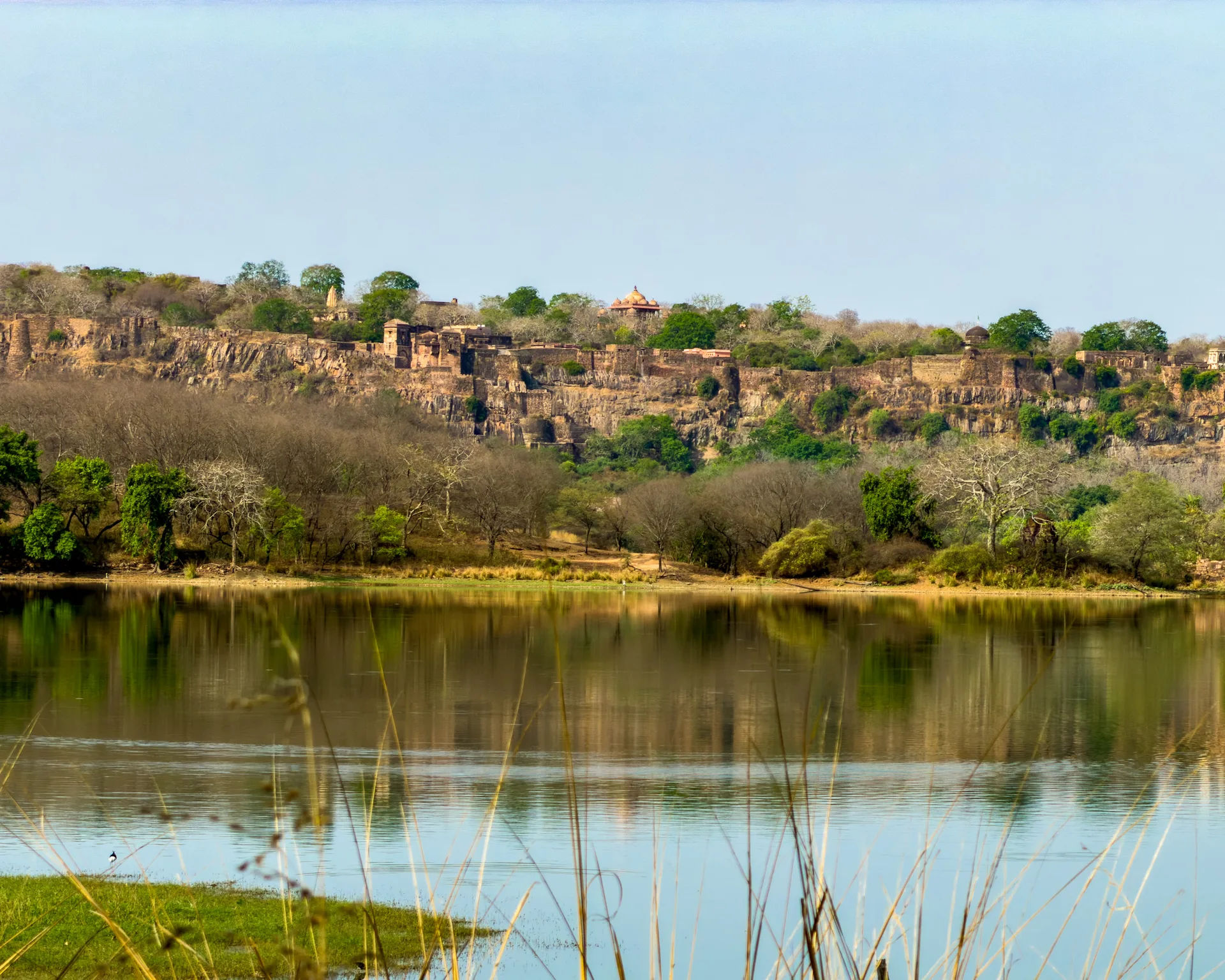
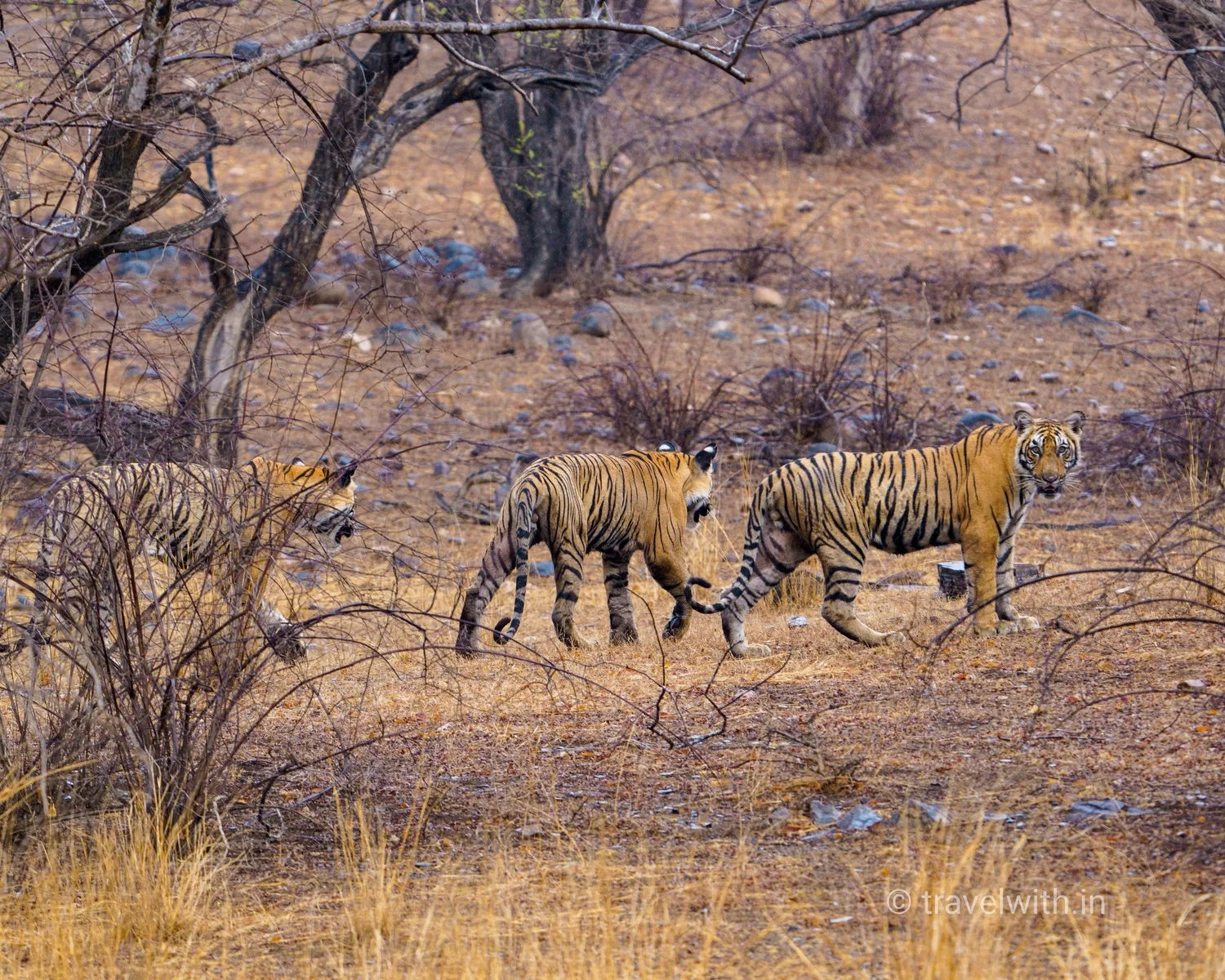
Ranthambore consistently ranks among the best wildlife safaris in India for one simple reason: its tigers are unusually visible, active during daylight far more than in denser central Indian forests, and set against the dramatic backdrop of a thousand-year-old fort. Best time to visit: October through June, with April to June offering the strongest sighting odds as water sources shrink. Its position on the Golden Triangle circuit also makes it easy to combine with a Delhi-Agra-Jaipur itinerary.
2. Jim Corbett National Park, Uttarakhand
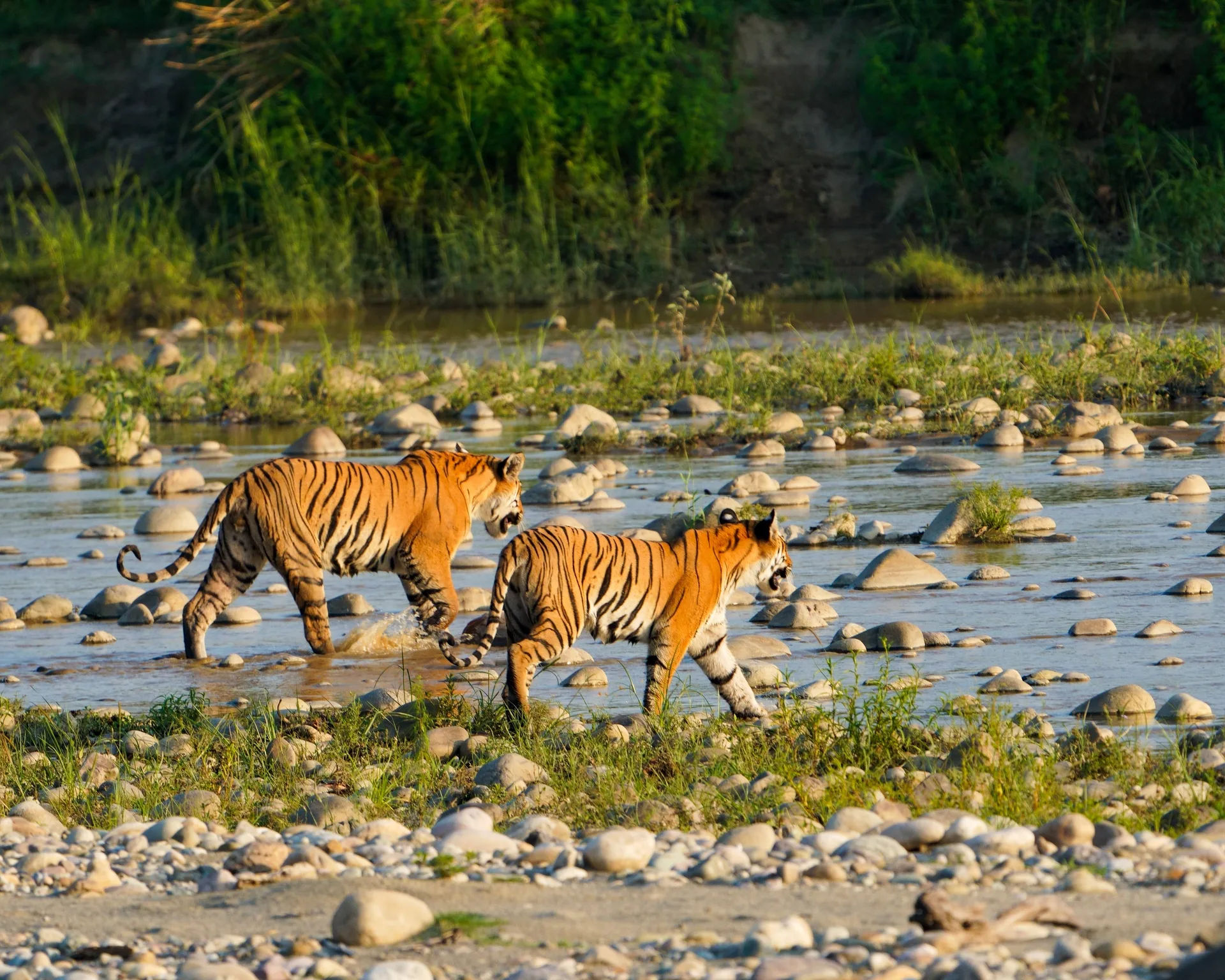
India's oldest national park, established in 1936, and the birthplace of Project Tiger in 1973. Corbett's mix of Himalayan foothill terrain, sal forest and the Ramganga River gives it a genuinely different character from the drier parks further south, along with strong elephant sightings alongside its tigers. Best time to visit: October through June, with Dhikala and Bijrani closed for the monsoon between mid-June and mid-November.
3. Kaziranga National Park, Assam
No serious safari itinerary skips Kaziranga, home to roughly two-thirds of the world's entire population of the greater one-horned rhinoceros. Beyond rhinos, the park holds tigers, wild water buffalo, elephants and the hoolock gibbon, India's only ape species, across floodplains shaped every year by the Brahmaputra River. Best time to visit: November through April, once the monsoon floodwaters have receded.
4. Panna National Park, Madhya Pradesh
Panna's tiger population was declared locally extinct in 2009 after sustained poaching, and its recovery since — now more than 80 tigers — is one of the most complete conservation turnarounds documented anywhere in India. It's also one of the few parks that allows a short boat safari along the Ken River, and its lower visitor volume compared to Ranthambore or Corbett means a genuinely quieter experience. Best time to visit: October through June, with a nearby stop at the UNESCO-listed Khajuraho temples easy to add on.
5. Bandhavgarh National Park, Madhya Pradesh
Bandhavgarh consistently reports some of the highest tiger density of any reserve in India, and its rocky, fort-topped terrain gives it a distinctive look compared to the flatter grasslands elsewhere. It's a strong choice specifically for travellers prioritising sighting odds above all else. Best time to visit: October through June, with peak sightings typically in the hotter months toward the end of the season.
6. Kanha National Park, Madhya Pradesh
Kanha is widely credited as one of the landscapes that inspired Rudyard Kipling's The Jungle Book, and its sal forests and open meadows make it one of the more visually striking parks on this list. Alongside tigers and leopards, Kanha is a stronghold for the barasingha, a swamp deer species brought back from the edge of extinction largely through conservation work centred on this specific park. Best time to visit: October through June.
7. Gir National Park, Gujarat
Gir is the only place on Earth where wild Asiatic lions still exist outside Africa, which alone earns it a place on any serious safari shortlist for travellers wanting something genuinely distinct from the usual tiger-focused itinerary. Beyond lions, the park holds leopards, striped hyenas and over 300 bird species. Best time to visit: October through May, with lion sightings reported reliably across most of the season.
Choosing Between Them
The right park depends less on which one has the highest tiger count and more on what you're actually after. Ranthambore and Bandhavgarh suit travellers chasing the strongest tiger odds. Kaziranga is the clear choice for anyone specifically wanting rhinos rather than big cats. Gir stands alone for lions. Panna and Kanha both reward travellers who value a quieter, less crowded experience over raw sighting statistics, and Corbett offers the most varied terrain of the group for those who want more than just open grassland.
Planning Across Multiple Parks
Most first-time visitors underestimate how different the booking process, zone systems and seasonal rules are from one park to the next, which makes combining two or three parks into a single trip more complicated to plan independently than it looks. At 47 Safaris, we run private jeep safaris across Kaziranga, Jim Corbett, Panna and Ranthambore, with permits, zone selection and hotels arranged before you arrive for each destination, and an English-speaking naturalist who knows that specific park, not a generic script repeated across all of them.
Get in touch and tell us which of these you're drawn to — we'll help you build an itinerary around the parks that actually match what you're hoping to see.