Most people who drive into Ranthambore are watching the grass for stripes, not the hilltop for stone ramparts. But rising above the lakes and forest tracks sits a nearly 1,000-year-old fort with its own centuries of sieges, queens and legend — a piece of Ranthambore Fort history that most safari-goers never learn is a UNESCO World Heritage Site in its own right, layered right on top of the wildlife story.
Built by a Dynasty, Fought Over for Centuries
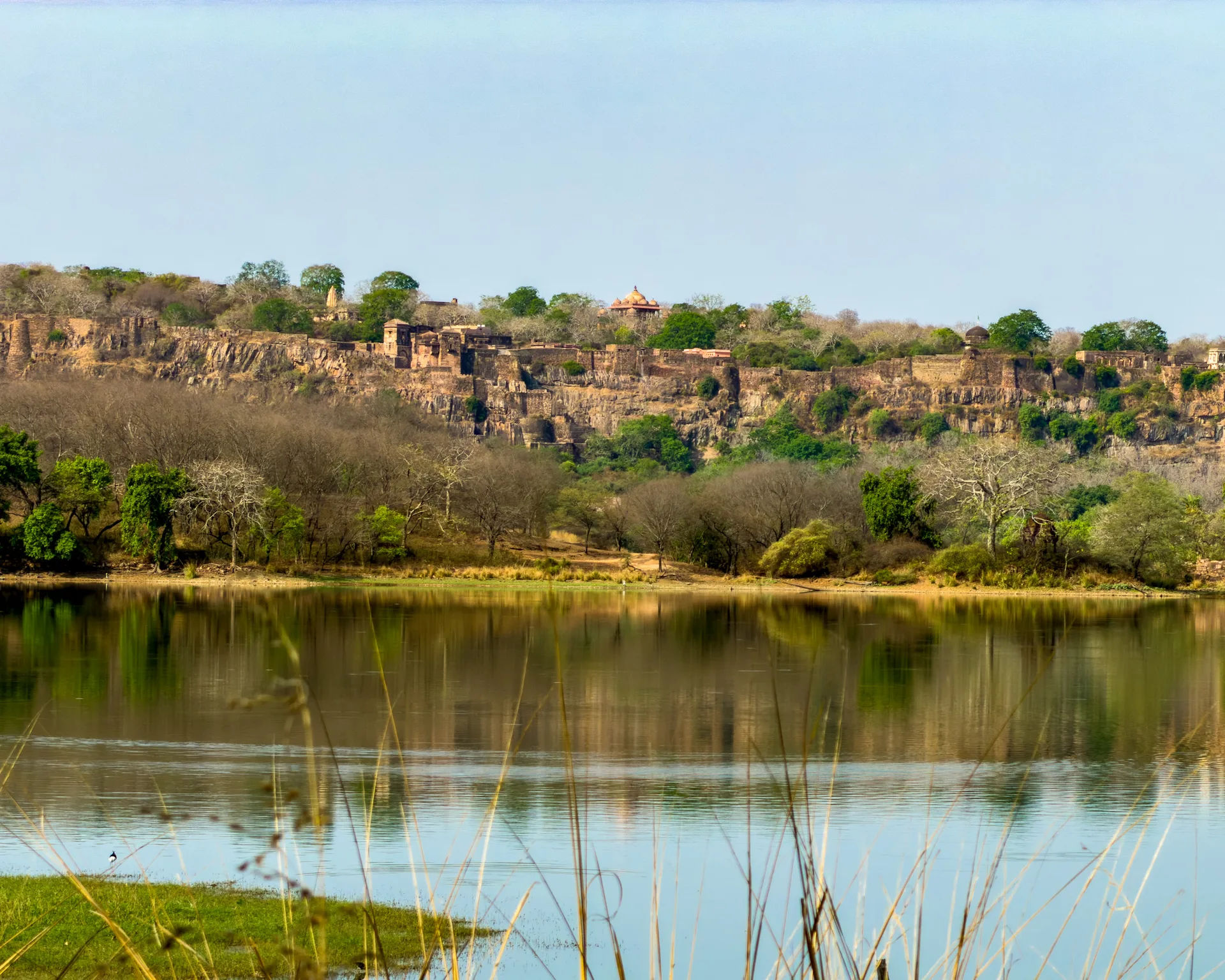
The fort was built by the Chauhan dynasty around the 10th century, on a hilltop chosen specifically for its defensive advantage over the surrounding Aravalli terrain. Its position made it one of the most fought-over strongholds in Rajasthan's history, changing hands between Rajput rulers, the Delhi Sultanate and later Mughal forces across hundreds of years of regional conflict. That defensive advantage is the starting point for most of Ranthambore Fort history that followed.
The Siege, the King, and the Jauhar
The fort's most famous chapter centres on Hammir Dev Chauhan, who ruled from Ranthambore and held out against Alauddin Khilji's forces for months during a siege at the turn of the 14th century. According to legend, as the siege turned hopeless, Hammir's queen and the women of the court chose Jauhar — self-immolation — rather than face capture, a practice tied to specific notions of honour in Rajput warfare of the period. Hammir himself died fighting rather than surrendering. The ruins of the fort still carry that history in their walls, and guides who work the site regularly can point out the specific structures tied to the siege.
A Temple That Receives Wedding Invitations by Post
Inside the fort sits the Trinetra Ganesh Temple, built around a legend from that same siege. As the story goes, Hammir Dev Chauhan, a devoted follower of Lord Ganesh, dreamed that his troubles would end by dawn — and the next morning, a self-manifested three-eyed (Trinetra) idol of Ganesh was discovered within the fort. The siege lifted soon after, and the temple has remained a site of active worship ever since. To this day, families from across India send their first wedding invitation cards to this specific temple, addressed to Lord Ganesh himself, and the temple maintains a dedicated postbox to receive them.
Architecture That Tells Its Own Story
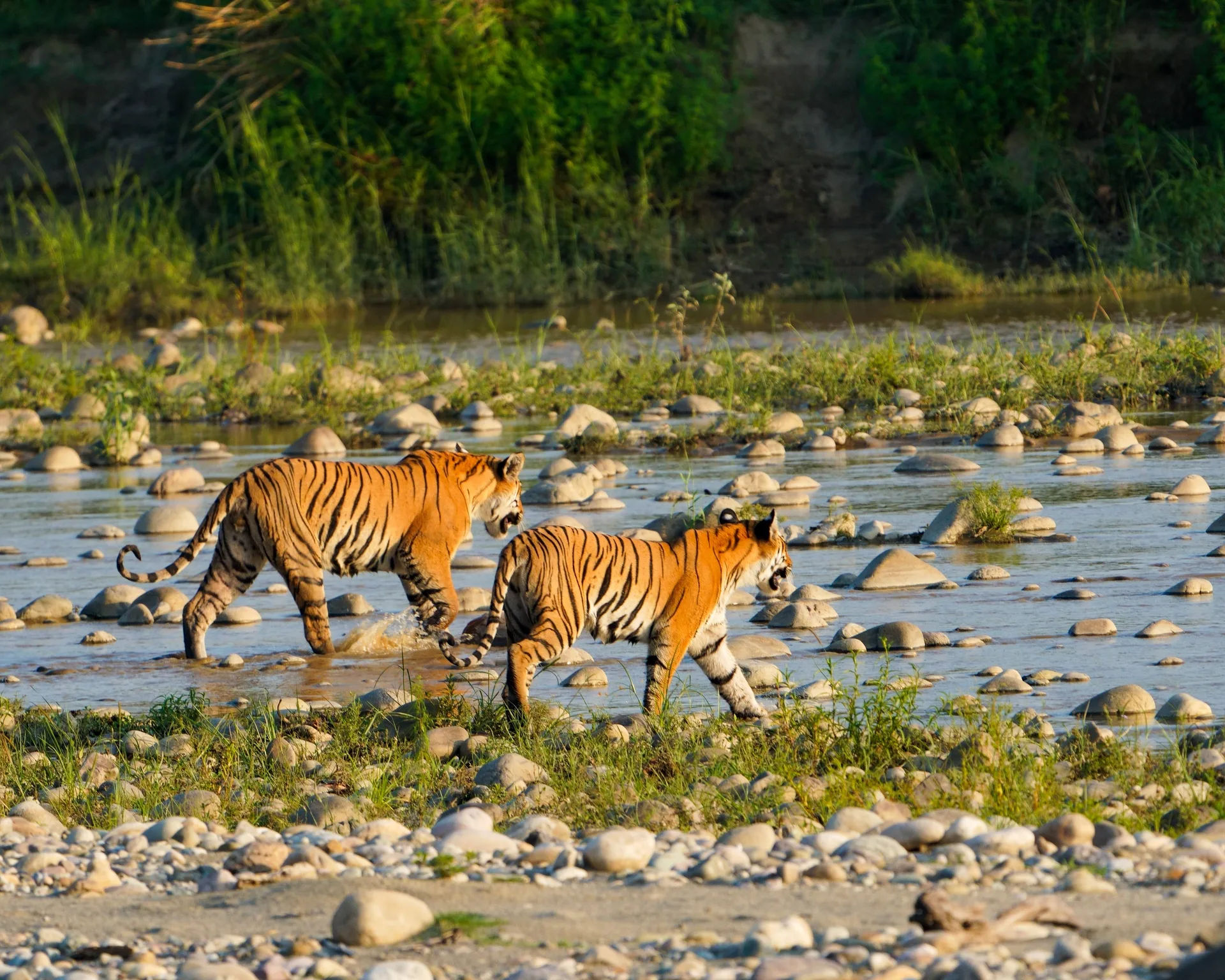
Walking through the fort today means passing through massive gateways like Hathi Pol and Ganesh Pol, past old granaries, stepwells and reservoirs built to withstand prolonged sieges. The architecture blends Rajput and later Mughal influences, a visible record of the different powers that held the fort across its history. From the highest points, the view stretches across the green expanse of the national park and the shimmering waters of Padam Talao below — the same lake where Ranthambore's tigers, including descendants of the famous Machali, are regularly photographed.
A UNESCO Site Hiding in Plain Sight
Ranthambore Fort is formally included in the "Hill Forts of Rajasthan" UNESCO World Heritage Site listing, a status most visitors who come purely for the tigers never realise applies to the ruins they can see from their safari jeep. It's a genuinely unusual overlap — an internationally recognised heritage monument sitting inside the boundary of one of India's most famous wildlife reserves, visited by a fraction of the people who come specifically for the animals.
Visiting Both Sides of Ranthambore
A trip built entirely around safari drives misses this layer of the park entirely, and it's a genuine shame given how close the fort sits to the wildlife tracks themselves. At 47 Safaris, we build time for the fort into itineraries alongside your safaris, with a naturalist or local guide who can walk you through the siege history and the temple legend properly, not as a rushed afternoon add-on. Permits, transfers and hotels are all arranged before you arrive.
Enquire with us if you'd like your Ranthambore trip to include the fort's history alongside its tigers — since Ranthambore Fort history and the reserve's wildlife story were never really separate to begin with.